Free Things To Do In Tulum Besides Cenotes
Tulum has a reputation for being expensive, and the beach clubs do their best to keep it that way. But a real chunk of the town's best experiences costs nothing at all, starting with a national park that dropped its entrance fee entirely in July 2026.
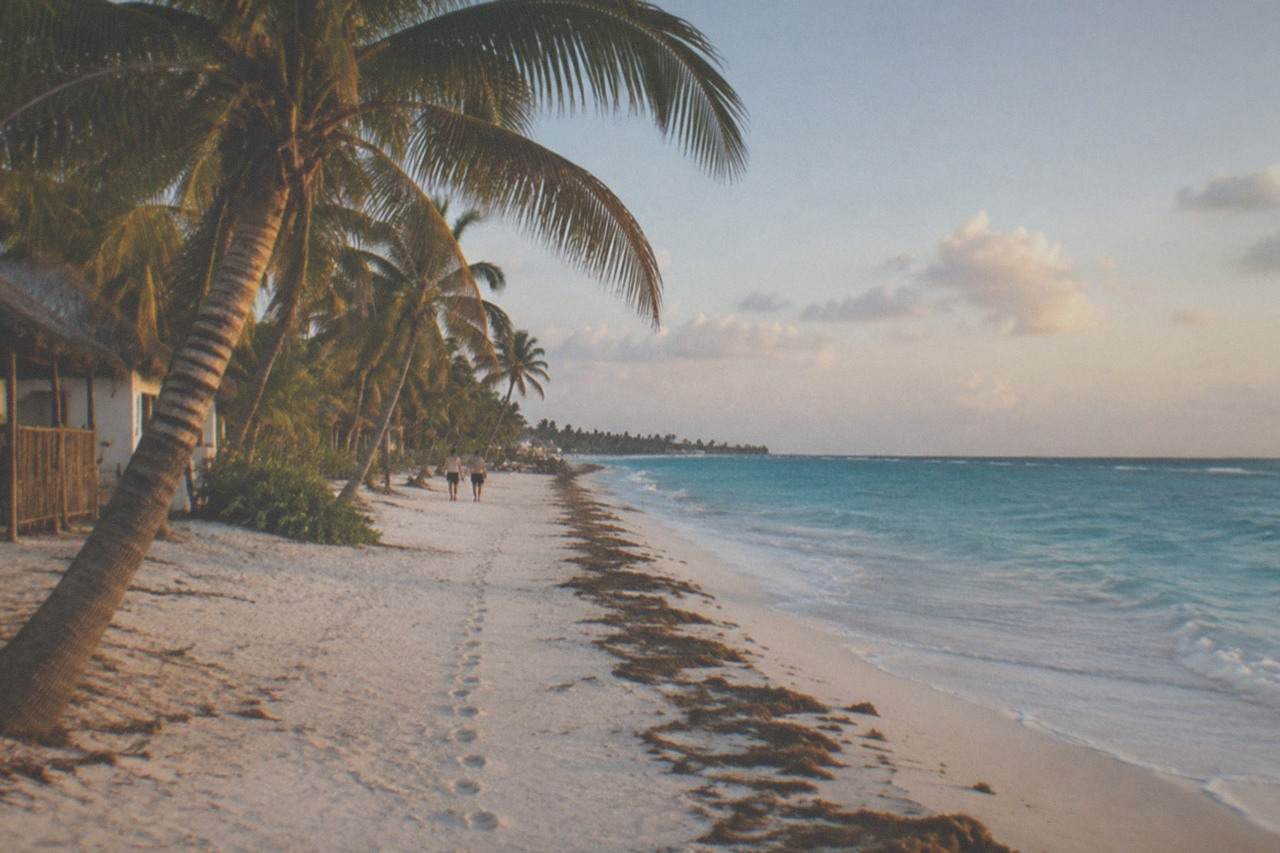
Short answer
Yes, Tulum has genuinely free things to do besides cenotes. Parque Nacional del Jaguar is free to enter for everyone, its optional shuttle costs 20 MXN, the public beaches cost nothing, and the town's streets, church, and markets are free to explore. Only the archaeological zone charges 265 MXN for foreign visitors.
Tulum is not a cheap town, and anyone who has ordered a coffee on the beach road can confirm it. Yet the two most expensive line items people expect here, the national park and the coastline, have quietly moved in the opposite direction. Since July 2026 the Parque Nacional del Jaguar, the protected beach-and-park strip that was formerly the Parque Nacional Tulum, has been free to enter for everyone. The public sand below the cliffs never charged a peso in the first place. What remains expensive is the tier above all this: the beach clubs, the restaurants, and the archaeological zone at 265 MXN for foreign visitors.
That gap is what this guide is about. Below is everything around Tulum town that genuinely costs nothing, verified against the current fee structure, followed by an honest look at the one paid day most travelers still want: a cenote. If you are planning the water-filled version of this trip, start with the cenotes near Tulum overview for the full site-by-site picture.
What Can You Do In Tulum Without Paying Anything?
Plenty: the Jaguar park, the public beaches, the town streets, the cenote-viewing boardwalks on the Coba road shoulder, and Kaan Luum-style lagoon viewpoints where access is free. The catch is transport. Taxis and colectivos add up faster than entrance fees ever did, so a free day in Tulum is really a walking or cycling day, best run from somewhere central.
The honest list is shorter than the blogs suggest. Many "free things" lists stretch the definition: a cenote with a 200 MXN entrance is not free, and a beach club you can walk through without buying anything is a gray zone, not a free attraction. What is genuinely free falls into four groups. First, the national park, free since the July 2026 decree under the Plan Tulum Renace. Second, the public beach access points along the coast, which no one gates. Third, the town itself: the main avenue, the parish church, the street murals, and the Sunday market energy. Fourth, the things you can look at without entering, like the cenote mouths you pass on the Coba road.
Transport is where free plans quietly leak money. A taxi from Tulum town to the beach can cost more than a cenote entrance. The workaround is simple: stay near the town center or the beach road's northern end, rent a bicycle for the day, or use the colectivos that run the 307 highway corridor for a fraction of taxi fares. On a bike, the whole free circuit, town, beach, and the Coba road lookout points, fits inside one afternoon.
Is Parque Nacional Del Jaguar Actually Free Now?
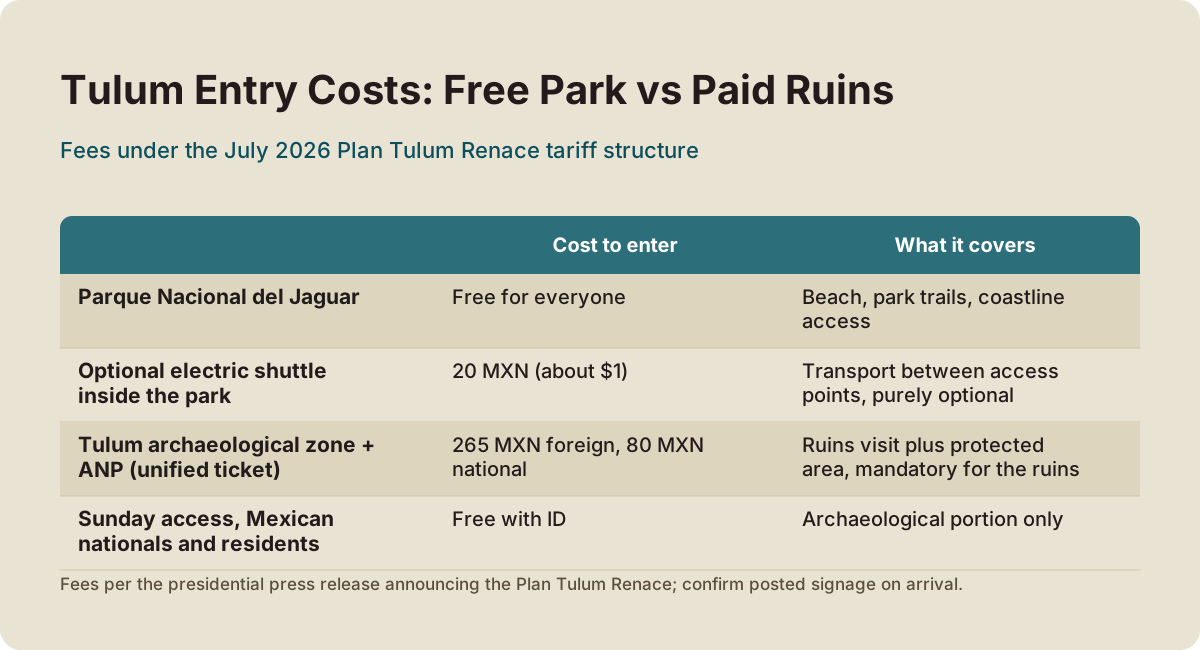
Yes. Under the July 2026 Plan Tulum Renace decree the former Parque Nacional Tulum beach area, now Parque Nacional del Jaguar, is free to enter for everyone, foreign visitors included. The only charge inside is the optional electric shuttle at 20 MXN (roughly $1). The adjacent archaeological zone is separate and still charged at 265 MXN for foreign visitors, 80 MXN for Mexican nationals.
This is the single most useful free-travel fact in Tulum right now, and it comes from an official source: the presidential press release announcing the fee reduction, which sets the new unified tariff structure for the park, the archaeological zone, and the protected natural area. Read it on the gob.mx announcement page for the exact wording. Before July 2026 visitors were paying combined totals reported in the 515 to 625 MXN range for foreign visitors, which is why older blog posts describe this stretch as expensive. They are describing a fee structure that no longer exists.
| Area | Cost to enter | What it covers |
|---|---|---|
| Parque Nacional del Jaguar | Free for everyone | Beach, park trails, coastline access |
| Optional electric shuttle inside the park | 20 MXN (about $1) | Transport between access points, purely optional |
| Tulum archaeological zone + ANP (unified ticket) | 265 MXN foreign, 80 MXN national | Ruins visit plus protected area, mandatory for the ruins |
| Sunday access, Mexican nationals and residents | Free with ID | Archaeological portion only |
The practical reading: you can spend a full morning on the Jaguar park's sand and trails, walk the coastline, and swim, all at zero cost, then decide whether the ruins behind the cliff are worth the 265 MXN unified ticket. Many do, and the view from the water side is genuinely one of the coast's best free sights. Fees are set by the authorities and can change, so confirm posted signage on arrival.
The parking and access points along the park stretch are the other thing to check before you go. Some access paths pass through private land where operators charge for parking even though the park itself is free, and that charge is a private service, not a park fee. Arriving by bicycle or on foot sidesteps the issue entirely.
For readers building a full week rather than one free morning, the ruins-and-cenote combo category also exists on this roster, with headline prices from $27 for a Riviera Maya half-day departing Playa del Carmen hotels, though its roughly 40 USD in entrance fees are paid on site. That is a paid-day product, not a free one, but it is the comparison point worth knowing about when weighing what your time costs.
Are Tulum's Beaches Free, And What About Sargassum?
The public beaches in Tulum are free to access, and the Parque Nacional del Jaguar stretch is now the most reliable free option. Sargassum is a real factor on the sand, it is an ocean phenomenon, arriving mainly May through October and peaking June and July, but it never reaches cenotes, which are inland freshwater sinkholes with no connection to ocean currents.
Sargassum is the honest complication in every beach recommendation here. The seaweed arrives on ocean currents, lands on ocean beaches, and the 2026 season started unusually early, with arrivals from late January and a season the University of South Florida outlook projected as potentially record-setting. Tulum beaches were showing a moderate sargassum index in late September 2026, with active daily cleanups, and municipal crews had collected more than 6,500 tons from the beaches through the year, already exceeding the prior year's total. Current conditions and forecasts are tracked on the Tulum sargassum update and the seasonal sargassum forecast.
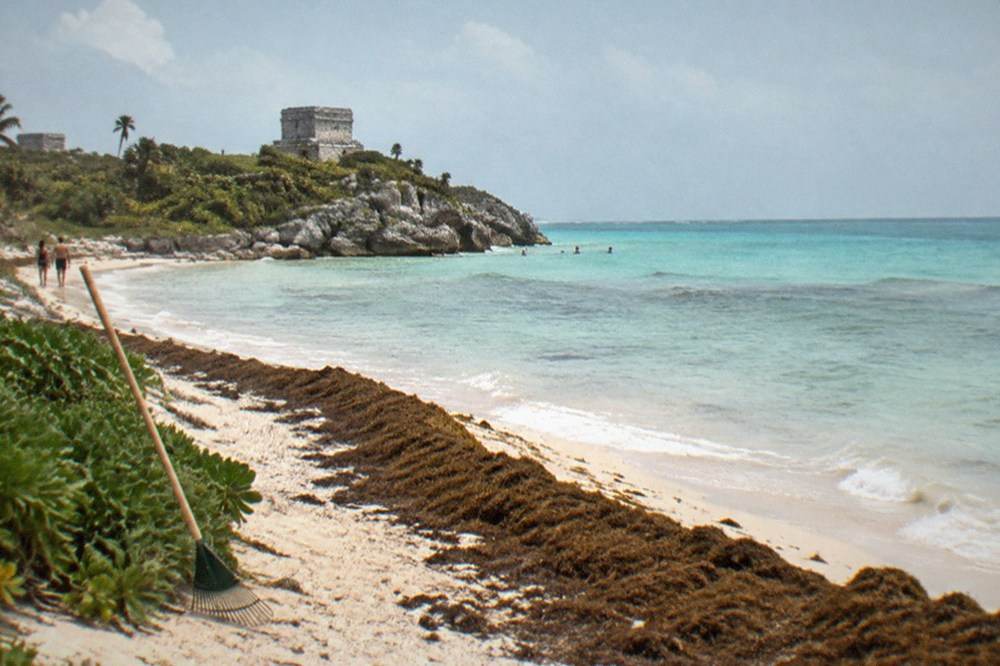
What this means for a free itinerary is a simple rule of thumb. From November through March or April, the ocean beaches are usually at their cleanest and the free beach day is a safe bet. From May through October, treat the beach as a bonus if you get it, and put the reliable clear-water day inland. The cenote water, fed by the freshwater aquifer, stays 24 to 27 degrees Celsius year round regardless of what the ocean is doing, and visibility in cavern and closed cenotes is largely unaffected even after heavy rain. That stability is why the tourism pattern shifts toward cenotes in peak sargassum months.
It also explains why this site exists. When the free beach plan fails, the paid cenote day is the natural substitute, and the cheapest standalone snorkel tour on the roster, Magical Cenote and Paradise Lagoon Snorkeling Adventure, runs from $79 with a 4.9 rating across 886 reviews, including pickup from Cancun and Riviera Maya hotels. It is the natural single paid day layered onto a free week.
What Can You Do Free Around Tulum Town?
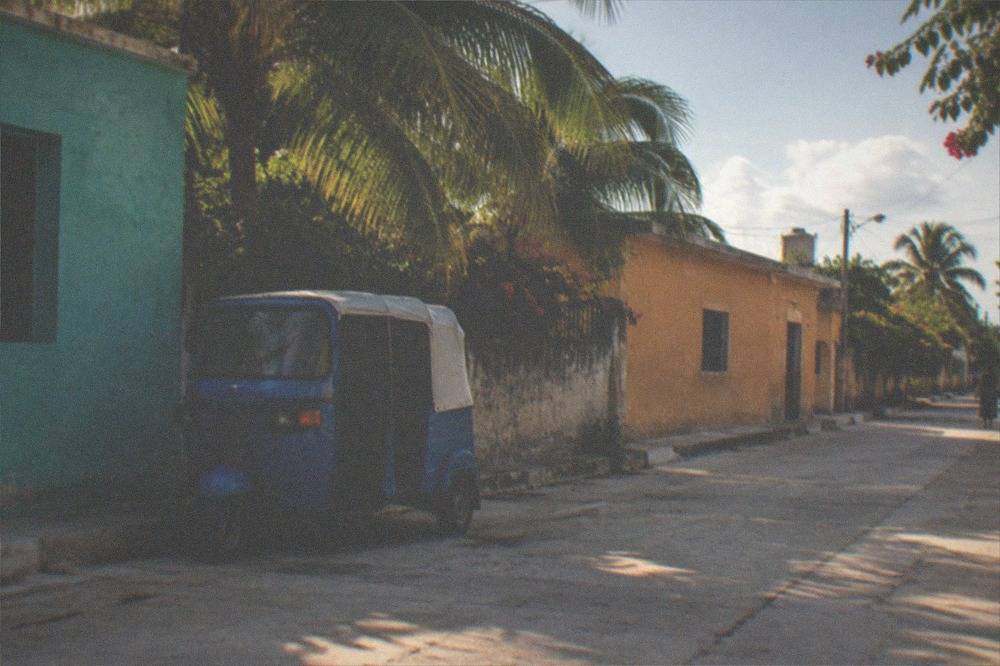
Tulum Pueblo itself is the best free zone in the area: the main avenue, the parish church on the corner of the main street, the street murals, the local market atmosphere, and the evening promenade cost nothing. The town is compact and flat, roughly a 20-minute walk end to end, so it works entirely on foot with no transport budget at all.
The town deserves more credit than it gets from travelers who only see the beach road. The main avenue, Av. Tulum, is the social spine of the pueblo, lined with taquerias, juice stands, and shops that serve locals rather than visitors, and prices that reflect it. The murals scattered through the side streets are worth a slow wander on their own. The Sunday scene, when families are out and the market energy peaks, is the best free cultural window the town offers, and it costs nothing to be part of it. The rest of the planning pages sit on Tulum Cenote Tours.
Food is the one unavoidable cost, but the free-planning point is the spread. Eating where locals eat on the town side rather than the beach road is the difference between a two-figure day and a three-figure one, and no listicle math is needed to see it. If your trip is built around budget discipline, the entrance fees guide for Tulum cenotes carries the MXN-first fee table for every major site, useful when the one paid water day arrives and you want to see exactly what the gate costs.
Two honest warnings. First, "free walking tour" models exist in tourist towns everywhere; in Tulum these are tip-based rather than truly free, and none of the verified tour products in this site's roster is a walking tour, so treat any guide-led town walk as a tipping arrangement and budget accordingly. Second, the evening beach-road stretch is a car and taxi zone; walking it is free but slow, and the free evening atmosphere is better in the pueblo anyway.
If the free days are stacking up nicely and the budget still has room for exactly one booked experience, the lagoon-and-cenote snorkel product mentioned above is the one this site would point to first: it is the cheapest standalone snorkel tour on the roster, it carries free cancellation on the listing, and its 3.5-hour format leaves the rest of that day free for more of the free circuit.
The town-side plan also pairs well with a morning at the free park before the heat builds, then a pueblo afternoon, then an evening walk. That single day costs nothing beyond food and any bike rental, and it is the backbone of most budget itineraries here.
Which Free Tulum Spots Are Worth Your Time?
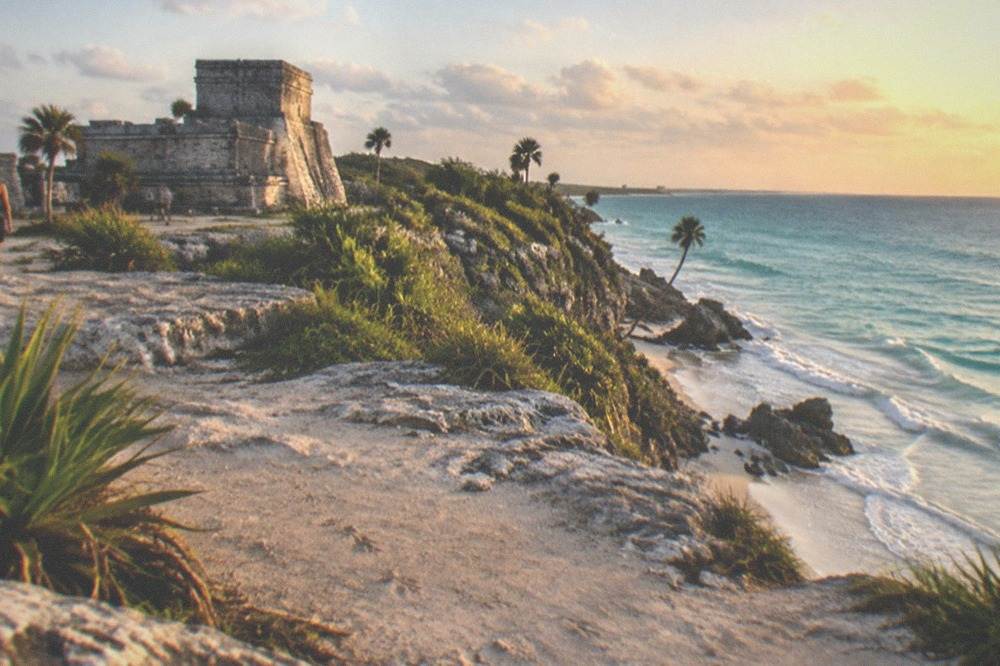
The Jaguar park beach and the town streets are the two that consistently earn their place in a plan. The free cenote roadside lookouts on the Coba road and the beach-road viewpoints are pleasant bonuses rather than destinations. The ruins cliff, viewed from the water side of the Jaguar park, is the best free view in Tulum, and the ruins interior itself is the main thing people pay for.
Ranking free options honestly requires separating destination from drive-by. Below is the comparison this guide would actually use when planning a day.
| Free spot | Time needed | Best time of day | Worth it? |
|---|---|---|---|
| Parque Nacional del Jaguar beach | Half day | Morning, before the heat | Yes, the top free destination |
| Ruins cliff from the water side | 20-30 minutes | Late afternoon light | Yes, the best free view |
| Av. Tulum and the pueblo streets | 1-2 hours | Evening, when locals are out | Yes, easy and atmospheric |
| Coba road cenote lookouts | 15 minutes each | Any time en route | Bonus, only if already cycling |
| Beach-road viewpoints | Drive-by | Any | Low, mainly a transport corridor |
| Kaan Luum lagoon viewpoint | 30 minutes | Midday | Check current access arrangements on arrival |
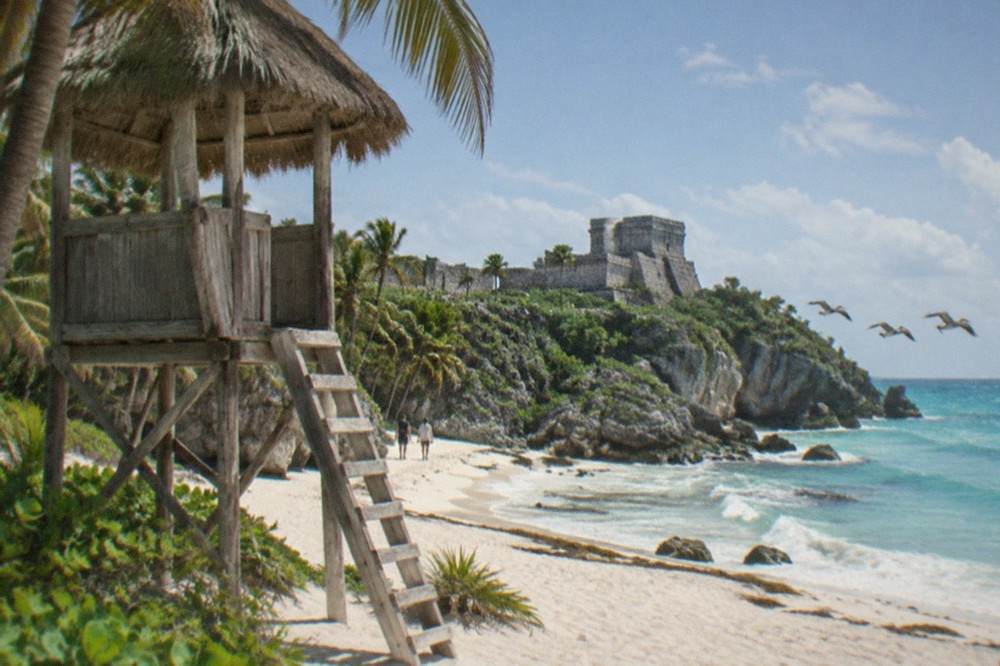
The cliff view deserves its own sentence. The archaeological zone sits on a bluff above the Caribbean, and from the beach and water inside the Jaguar park you get the postcard angle of the ruins above turquoise water without paying the ruins ticket. It is a view most visitors pay 265 MXN to stand inside, seen for nothing from the sand below. The archaeological site's hours run 8:00 AM to 5:00 PM daily with last entry around 3:30 PM, per the Tulum ruins opening hours reference, which matters mostly for avoiding the ticket-window crowd if you do decide to go inside.
When Is The Best Season For A Free-Heavy Tulum Trip?
November through April is the strongest window for free plans: sargassum is at its seasonal low, skies are dry, and both the beach and the town circuits deliver. September and October carry the highest statistical rain and storm risk, hurricane season runs June 1 to November 30, but cenote conditions stay stable year round, so a wet-season trip simply tilts the balance inland.
The free itinerary is weather-exposed in a way the paid cenote day is not. The dry stretch, roughly November to April, gives the beach its best odds, and the shoulder months of May and late September offer thinner crowds at popular sites in exchange for some afternoon showers. Mean monthly temperatures run from about 23.4 degrees in January to 28.5 in the June-to-August peak, per Tulum climate data, so heat management matters more than cold ever will here. For the fuller month-by-month trade-off picture, including crowd patterns and photography light, the best time to visit Tulum cenotes guide breaks down the same calendar from the water side.
How Does A Paid Cenote Day Fit Into A Free Week?
One paid water day per trip is the pattern most budget travelers land on, and the cheapest standalone snorkel product on this roster runs from $79, with pickup from Cancun and Riviera Maya hotels, a 4.9 rating across 886 reviews, and a 3.5-hour format that leaves the rest of the day free. Alternatives at $119 to $129 add more cenotes, a bike format, or a full three-cenote loop with snacks.
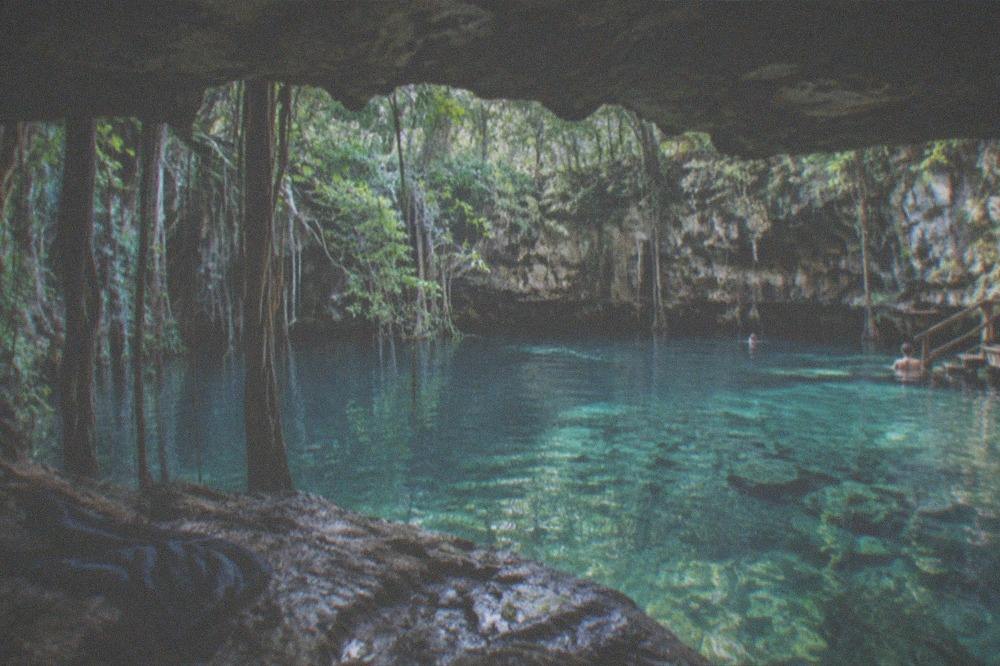
The honest upsell is simple. Free plans cover the beach, the town, and the views; they do not put you in the water where Tulum's main draw actually lives. Independent cenote visits are possible without a tour, and the costs are covered in can you visit cenotes without a tour, but the entrance fees stack up: Gran Cenote at 500 MXN, Dos Ojos at 350 to 400 MXN for snorkeling, Calavera at 250 to 300 MXN, all secondary-sourced current figures with "confirm on arrival" framing. Two independent entrances plus taxi fares often cost more than one organized tour, and the tour adds gear and a guide.
Here is the paid comparison for that single day, from the verified roster:
| Product | Price | Rating | Format |
|---|---|---|---|
| Magical Cenote and Paradise Lagoon Snorkeling Adventure | From $79 | 4.9, 886 reviews | 3.5 hours, cheapest standalone snorkel |
| Cenote Triple Adventure Tour in Tulum | From $129.88 | 5.0, 467 reviews | 4 hours, three cenotes, snacks; lunch a $15 add-on |
| Tulum: Cenote Trail Bike Tour | From $119 | 4.9, 143 reviews | Bike format, 2-3 cenotes, urban bikes and helmets included |
The Cenote Triple Adventure Tour in Tulum is the depth option: three cenote stops in four hours, departing from a meeting point at 85xciento La Vera Pizza al Taglio on Calle Sol in Tulum Centro, with snacks and water included and lunch as a paid 15 USD add-on. It carries a 5.0 rating from 467 reviews and a from-price of $129.88, and it suits the traveler whose one paid day needs to be the definitive one.
The Tulum: Cenote Trail Bike Tour, from $119 with a 4.9 rating across 143 reviews, is the format contrast worth knowing: it travels by urban bike, visiting two to three unnamed cenotes depending on the option chosen, helmets included, meeting at Av. Tulum 88 in the town itself. For a free-heavy itinerary already built on bicycles, it slots in without changing the day's rhythm.
Can You Build A Full Tulum Trip Mostly For Free?
Yes. A three-day plan of one free park-and-beach morning, one pueblo afternoon plus a lagoon or lookout stop, and one paid cenote tour keeps total admission costs near zero, with the only mandatory spending being food, accommodation, transport, and the state's 283 MXN Visitax paid by foreign visitors at the airport, which is a state tax, never an entrance fee.
A sample shape: day one, the Jaguar park beach and the ruins cliff view, entirely free, then the pueblo streets in the evening. Day two, a slow morning in town, a bike ride up the Coba road lookouts, an afternoon in the cheapest cenote of the trip if the budget allows, or a second free beach stretch if not. Day three, the single paid water day, one of the tours above. Admission spending across three days: zero on two of them, one tour price on the third.
The Visitax deserves its plain sentence because it confuses people. It is approximately 283 MXN (2.5 UMA) per foreign visitor, a Quintana Roo state tax collected at airports or paid online in advance, not something paid at any cenote, park, or ruin. It belongs in the trip budget, not on any tour price line.
The rule that keeps a free Tulum trip free: decide the paid day early and stop there. The beach clubs, the boutique breakfasts, and the taxi habit are where budgets die, and none of them is an entrance fee you were forced to pay. For readers deciding whether the paid tier is worth entering at all, are the cenotes in Tulum worth it covers that question directly.
Whichever of the three formats fits, the pattern holds: book the one water day, keep every other day on the free circuit, and let the park, the sand, and the pueblo carry the rest of the week.
That is the whole budget picture in one line: a coast that is free to walk, a park that is free to enter, a town that is free to explore, and one paid day in the water that most travelers never regret.
Common Questions About Free Things To Do In Tulum
Is Parque Nacional Del Jaguar Free?
Yes. Since the July 2026 decree under the Plan Tulum Renace, the park, formerly the Parque Nacional Tulum beach area, is free to enter for everyone. The only charge inside is the optional electric shuttle at 20 MXN. The adjacent archaeological zone is a separate ticket at 265 MXN for foreign visitors and 80 MXN for Mexican nationals.
Are Tulum Beaches Free To Access?
Yes, the public beach access points are free. Some paths pass through private land where parking is charged as a private service, but the sand and sea cost nothing, and the Jaguar park stretch is now the most reliable free option.
Does Sargassum Affect Cenotes?
No. Sargassum is an ocean phenomenon carried on ocean currents and it only reaches ocean beaches. Cenotes are inland freshwater sinkholes with no ocean connection, so their water stays clear year round regardless of the sargassum season.
How Much Does It Cost To Visit A Cenote In Tulum?
Independent entrances run roughly 100 to 500 MXN per adult depending on the site, about $5 to $27, figures that are secondary-sourced and should be confirmed on arrival. A guided snorkel tour starts at $79 on this roster, which often beats two independent entrances plus taxi fares once gear and guidance are counted.
Can You Visit Cenotes Without A Tour?
Yes, most major cenotes sell entrance directly at the gate. The trade-off is transport, cash requirements at most sites, and no gear or guide included, which is why many travelers book one organized day and visit the rest independently.
What Is Free At The Tulum Ruins?
Only Mexican nationals and residents enter free on Sundays with ID. Foreign visitors pay the unified 265 MXN ticket covering the archaeological zone and the protected area. The free alternative is the cliff-top view of the ruins from the water side inside the Jaguar park.