Best Time To Visit Cenotes In Tulum
Cenote water in the Tulum corridor holds between 24 and 27 degrees Celsius all year, and the seaweed that shapes every beach-planning conversation never reaches these inland pools. Timing still matters, just for different reasons than most guides assume: crowds, light, and rain runoff, not water temperature or algae.
Short answer
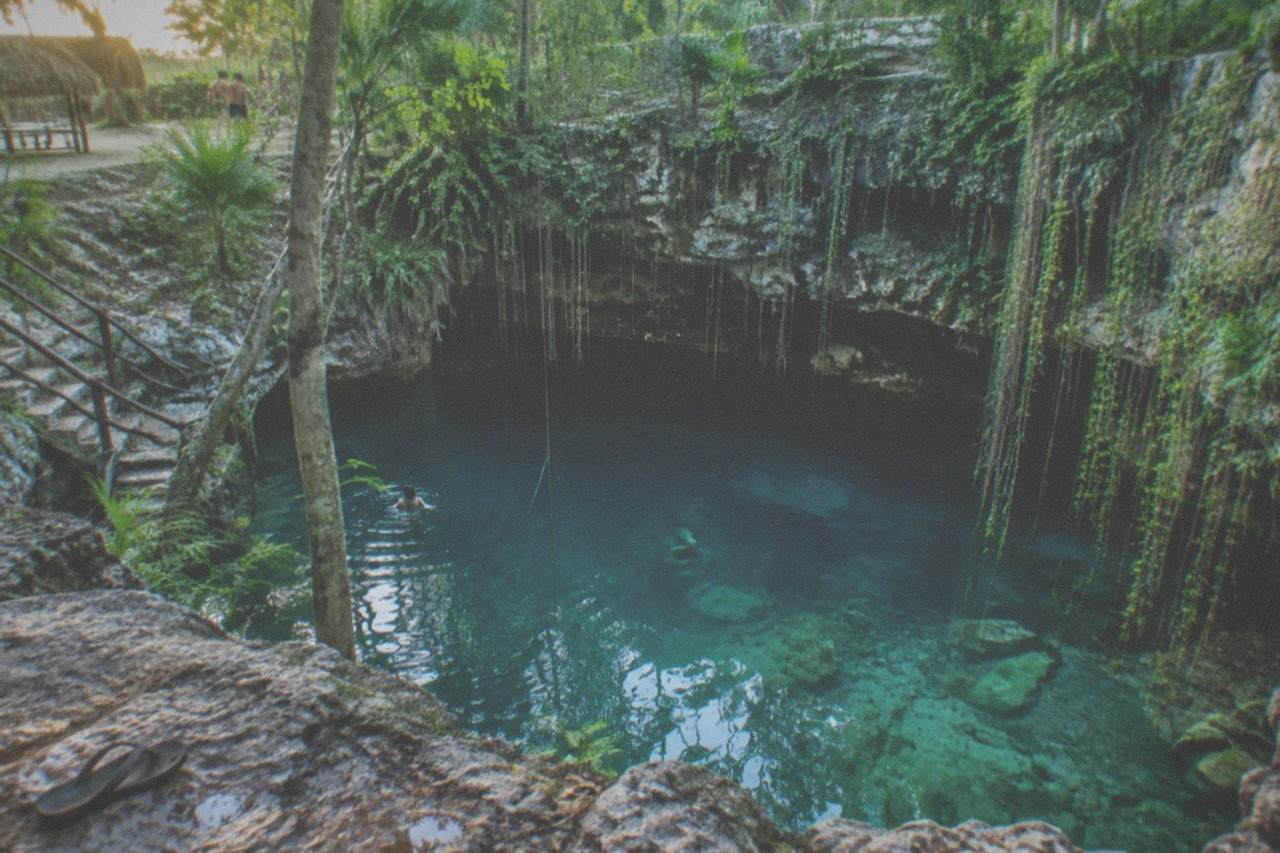
There is no bad month for cenotes in Tulum. The water holds a steady 24-27 degrees Celsius year round, sargassum never affects inland cenotes, and rain only briefly muddies some open-air sites. The choice that actually matters is your arrival time: book a morning slot, ideally at opening, in any season.
Do Cenotes In Tulum Have An Off Season?
No. Cenote water in the Tulum corridor holds a steady 24-27 degrees Celsius in every month of the year, fed by the underground aquifer rather than the weather above it, and the sargassum seaweed that dominates beach-season planning never reaches these inland freshwater pools. What changes across the calendar is crowd pressure, light quality, and surface runoff, not the water itself.
That single fact reframes the whole timing question. Almost every Tulum trip-planning article you will read is really a beach-planning article, tuned to seaweed landings, hurricane watches, and hotel pricing. Cenotes break that logic. They are collapsed limestone sinkholes sitting on the freshwater aquifer of the Yucatan peninsula, with no connection to the ocean currents that carry sargassum, and a water temperature that the aquifer keeps inside a narrow band whether it is January or August.
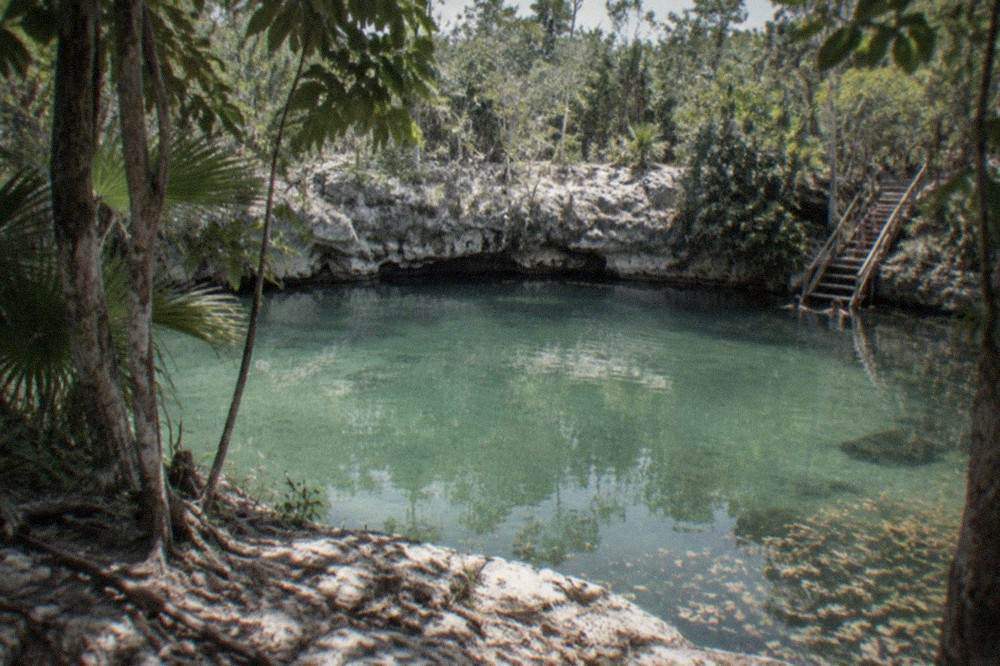
The practical differences between seasons are real but smaller than the differences inside a single day. A tour arriving at a popular cenote at 8:30 AM in busy March will often have a calmer hour than one arriving at 1 PM in quiet September, because tour buses and independent visitors stack through the late morning everywhere on the corridor. That crowd pattern is why we keep recommending the Tulum ruins, cenote and lagoon tour from this site's roster: it runs a 6.5-hour morning format from $119, carries a 4.9 rating across 1,975 reviews, and lands its cenote stop well before the midday peak.
| Season | Months | Water | Crowds | Main trade-off |
|---|---|---|---|---|
| Dry season | November-April | Steady 24-27C, clearest light | High, especially December-March | Peak pricing and busier sites |
| Shoulder | May, late September, early October | Steady 24-27C | Lower, the crowd sweet spots | Some afternoon showers possible |
| Wet season | June-October | Steady 24-27C, brief runoff dips at open cenotes | Mixed, quietest weeks in September | Rain afternoons, hurricane watch season |
If you are planning the wider trip around the cenotes rather than the reverse, the question of how long to stay in Tulum at all matters as much as the month you pick, and the how many days in Tulum is enough breakdown covers that separately.
Which Months Give You The Best Cenote Experience?
May, late September and early October are the quiet-period sweet spots, with steady water, fewer crowds and manageable rain risk. November through April brings the driest air and the best light shafts for photos, but also the busiest sites. If you want one answer: pick a shoulder month and a morning entry, and you get most of the best of both.
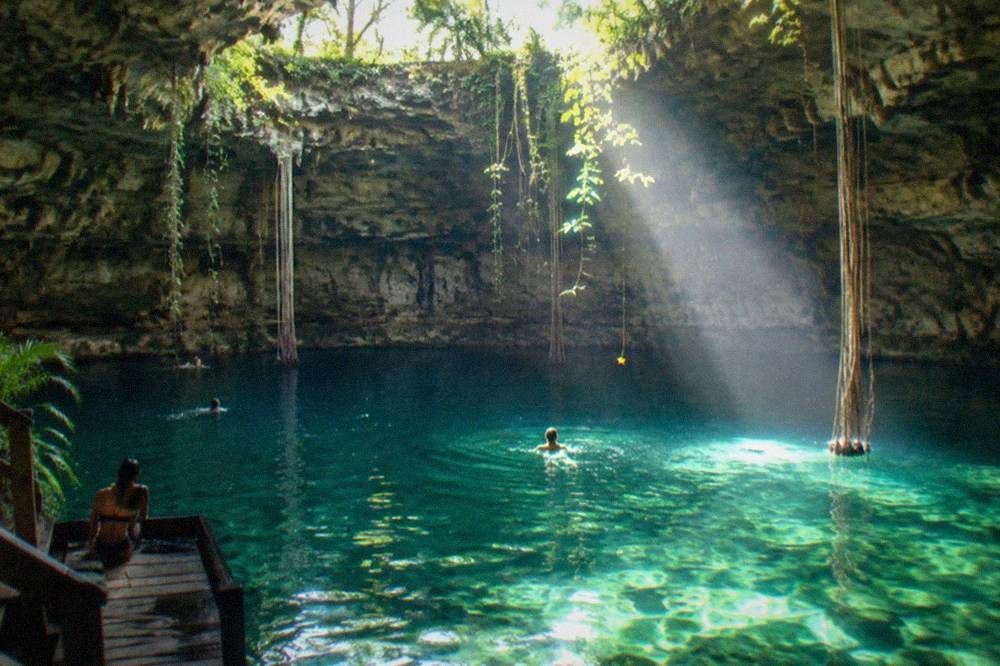
The dry season from November to April is what most visitors picture: low humidity, dependable sunshine, and the angled morning light that drops through open cenotes like a spotlight. That light is genuinely better for photography than any other time of year, and the lower chance of an afternoon storm means fewer schedule surprises. The cost is company. December through March, holidays and spring break included, is when visitor numbers across the corridor are at their highest, and popular sites like Gran Cenote feel it first.
The wet-season months invert that trade. June through October, with September often the wettest, brings afternoon showers and higher humidity, but the showers are usually exactly that: an afternoon event rather than an all-day washout, and the cenote water itself does not cool down or cloud up on a seasonal schedule. Crowd pressure drops meaningfully, and the shoulder windows of May and late September into early October are repeatedly flagged by corridor guides as the best compromise weeks of the whole year.
For anyone whose trip is built around water time rather than lounging, a snorkel-format product is the natural fit for these quieter months. The Magical Cenote and Paradise Lagoon Snorkeling Adventure runs from $79, holds a 4.9 across 886 reviews in a 3.5-hour format, and its shorter footprint makes it easy to schedule in the calm morning window before wet-season showers arrive.
There is one more layer worth understanding before you commit to a month: the seaweed situation that drives so much of Tulum's seasonal anxiety, and why it is irrelevant to the pages of this site's main subject. The next section handles it plainly, because the distinction gets blurred constantly in travel content.
What Time Of Day Should You Visit A Cenote?
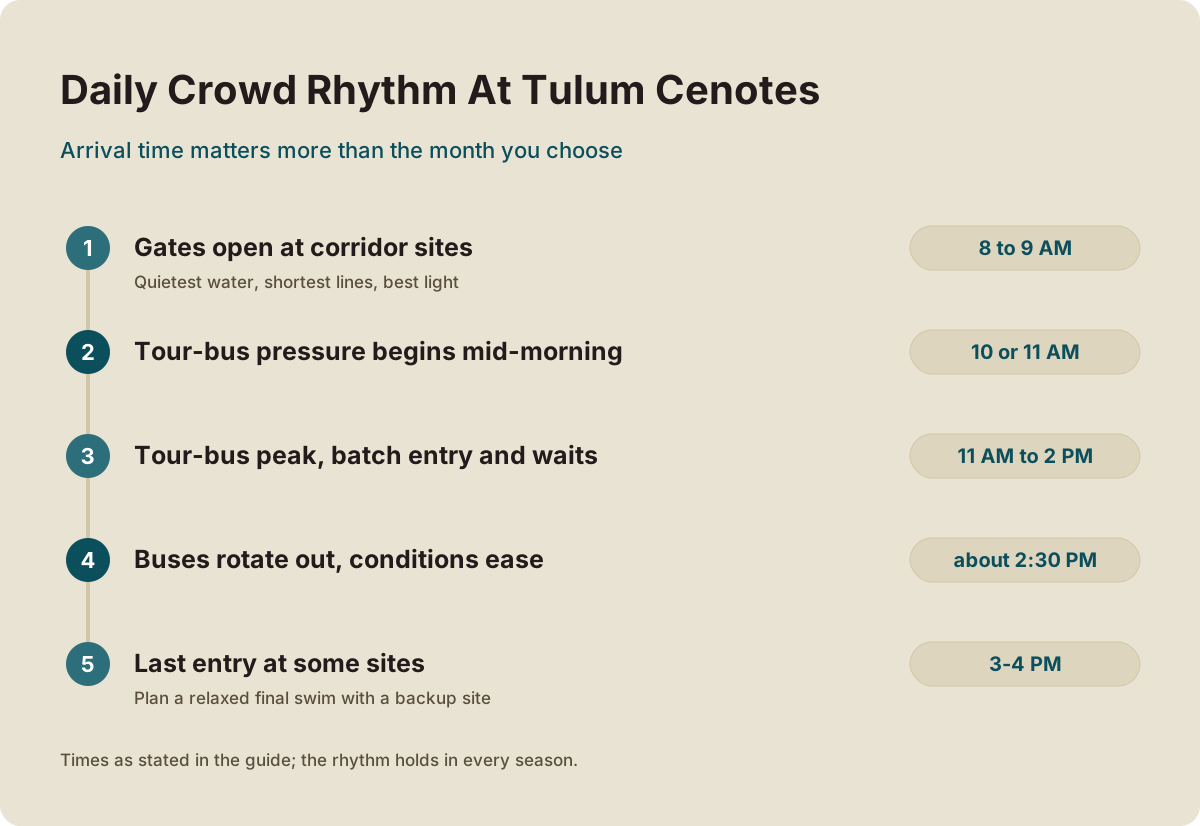
Arrive at or near opening, typically 8 to 9 AM at corridor sites. The quietest water and shortest lines are in the first hour after gates open, tour-bus pressure builds from mid-morning and peaks between 11 AM and 2 PM, and conditions ease again after about 2:30 PM. This holds in every season, and it matters more than the month you choose.
The daily rhythm is consistent across the popular sites. Openings run around 8 to 9 AM, and the first visitors generally get the clearest, calmest water with the least waiting. The pressure arrives with the tour buses, roughly from 10 or 11 AM through early afternoon, when batch entry and waits of twenty minutes or more become common at the best-known cenotes. After the buses rotate out, roughly 2:30 to 3 PM onward, the sites breathe again, though at some cenotes last entry comes as early as 4 PM or earlier, which cuts the late window short.
This is one reason guided tours outperform DIY timing for many visitors, and it is not only about the guide commentary. A scheduled morning tour is a commitment device: it puts you on the road before the buses rather than negotiating a rental bike at 11 AM. The Cenote Triple Adventure Tour in Tulum is a good example of the format, a 4-hour morning product from $129.88 that visits three cenotes with snacks and water included, rated 5.0 across 467 reviews.
One related question trips up a lot of planners: those early closings. The why do cenotes close at 5 explainer covers the real reasons, from daylight and safety to staffed operations and ecosystem recovery windows, and it is worth reading before you build an afternoon plan around a 3 PM arrival.
| Arrival window | Typical conditions | Best for |
|---|---|---|
| Opening to 10 AM | Quietest water, shortest lines, best light | Photographers, swimmers, families with small kids |
| 11 AM to 2 PM | Tour-bus peak, batch entry, waits possible | Only if morning is impossible |
| After 2:30 PM | Easing crowds, but last entry can be 3-4 PM | A relaxed final swim, with a backup site in mind |
Does Sargassum Affect The Cenotes?
No, and this is the clearest honest differentiator in Tulum trip planning. Sargassum is a beach phenomenon carried by ocean currents, while cenotes are inland freshwater sinkholes with no connection to the sea, so the seaweed never reaches them in any month or any season. When beaches look bad, cenotes are the reliable clear-water option.
In 2026 the seaweed season arrived unusually early, with landings reported from late January and the year tracking toward the heavy end of forecasts, with the University of South Florida's outlook projecting a near-record volume. Local crews have collected more than 6,500 tons of sargassum from Tulum beaches this year, ahead of the prior year's total, and daily cleanups remain active. The sargassum status tracker reports current conditions on the beaches, and the seasonal forecast maps the broader outlook; both are beach tools, not cenote tools.
That distinction gets blurred constantly, sometimes by content that should know better. Some sites do close temporarily or get unpleasant when sargassum lands; those are ocean beaches. Cenotes sit kilometers inland on the freshwater aquifer. The honest sentence is simple: during peak sargassum months, cenotes are not a workaround or a consolation prize, they are the water activity that keeps working exactly as it does in February.
That reliability has a planning consequence. If your trip has a beach component and a cenote component, schedule the cenote days with confidence and leave the beach days flexible, because the beach is the part of the itinerary that can be rewritten by a landing. The distinction also answers one of the more common questions about the region's water safety generally, which the is it safe to swim in cenotes question covers in full elsewhere on this site.
Does Rain Ruin Cenote Visibility?
Usually not, and rarely for long. Closed and cavern cenotes are largely unaffected by rain because their water comes from the aquifer, while open-air cenotes can see short-term visibility dips after heavy rain as surface runoff carries fine sediment in, with reports of temporary drops to around 20-28 metres in the worst cases before conditions recover.
The mechanics matter here. Cenote clarity comes from the slow filtration of the freshwater aquifer, which is why visibility in the cavern systems is famously extreme, often reported in the tens of metres and beyond. Rain does not inject silt into that system. What rain can do is wash surface material, leaves, soil, organic film, directly into an open sinkhole, and for a few hours or a day that can soften the water in open cenotes. Closed and cavern sites, where the swimming area sits under a rock ceiling with limited surface connection, largely do not experience this at all.
For divers this is close to a non-issue on guided products, because operators pick sites against current conditions. The 2 Dives in Cenote Dos Ojos for Certified Divers product runs from $190 in a 4-hour format, supplied by La Calypso Dive Center with a maximum of four travelers per guide, and holds a 5.0 rating across 90 reviews. Dos Ojos sits in the cavern category, which is precisely the type of site where rain-season visits lose the least.
The wet-season caveat is about the surface, not the water: afternoon showers can make bike paths, taxi logistics and jungle approaches slower and muddier. Build a margin into transport timing, keep a dry bag for electronics, and treat a wet-afternoon delay as a reason for a longer lunch rather than a lost day. If you want the deeper safety picture around conditions, the is it safe to dive in a cenote question is covered in its own piece on this site, including the certification and guide-requirement context.
What About Hurricane Season?
Hurricane season runs June 1 to November 30, with the highest statistical risk and the rainiest conditions concentrated in September and October. Direct hits are rare, most disruption is a matter of stormy days and closures rather than the water in the cenotes, and the quieter shoulder windows sit on either side of that peak, in May and in late September into early October.
The honest framing is about probability and flexibility rather than avoidance. September and October carry the highest chance of a named storm affecting the region, and a serious system will close cenotes and tours for its duration, the same way it closes anything else outdoors. Electrical storms, high winds above roughly 40 km/h and lightning can trigger same-day partial or full closures at sites and early clearing of visitors, announced through official channels. Light rain, by contrast, typically closes nothing: paths drain well and the water does not care.
The trade is real, though. Those same early-autumn weeks are among the least crowded of the entire year at popular sites, hotel rates soften, and a wet-season visit can still deliver excellent cenote conditions on every day that is not actually stormy. If you travel then, book refundable formats, watch the hurricane season overview alongside official advisories, and keep your itinerary loose enough to swap a beach day for a cenote day and back.
Guided products help here again, because a local operator reschedules around a closed site while an independent plan can simply collapse. The roster's Cenote Triple Adventure Tour and similar morning formats run rain or shine on ordinary wet-season days, and it is worth checking the specific listing's weather and cancellation terms before you commit a storm-season date.
Which Season Suits Photographers?
Dry season, November through April, gives photographers the best combination: lower humidity, dependable morning light, and the angled winter sun that drops visible beams through open cenote ceilings. Early morning entry compounds the advantage, since the light shafts are strongest early and the surface is calmest before swimmers arrive. Crowd pressure is the cost, so the hour matters even more than the month.
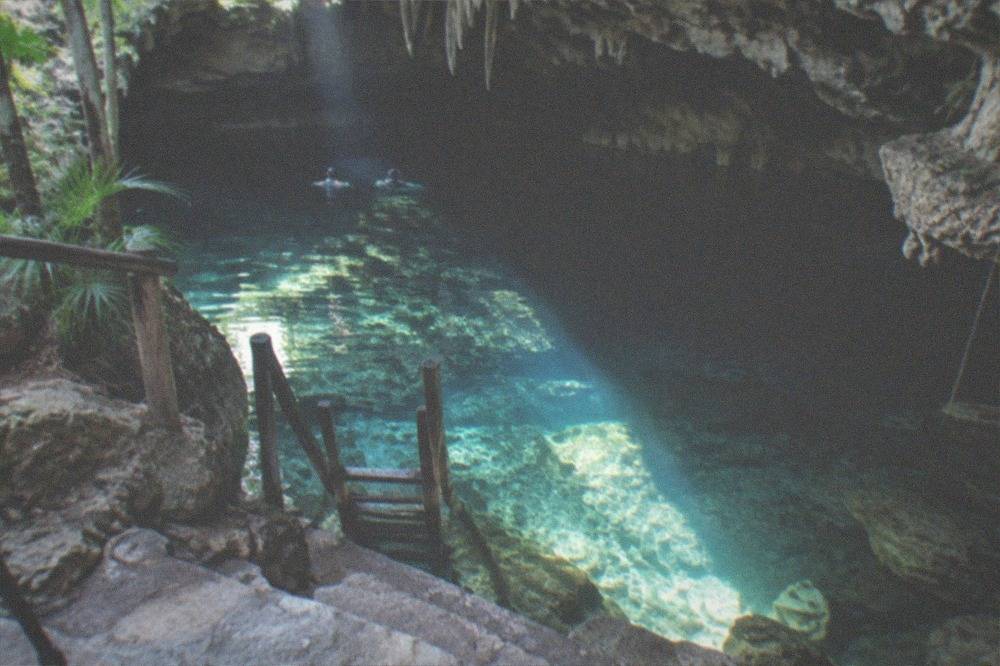
The single most photogenic event in a Tulum cenote is a sunbeam: a round or ragged opening in the cave ceiling letting a column of light fall onto turquoise water. That phenomenon needs dry-season clarity, a morning sun angle and, ideally, a still surface with nobody in the frame yet. All three line up best between November and April in the first hour after opening. Wet-season photography is absolutely possible, the water is the same temperature and often equally clear in cavern sites, but you are working around afternoon cloud and softer, flatter light.
Two practical notes carry weight regardless of season. First, some cenotes charge a small on-site camera fee, roughly 100-300 MXN, sometimes more for professional gear, cash only; check on arrival rather than assuming. Second, drones are generally prohibited or heavily restricted at cenotes and are not permitted at the Tulum archaeological zone, so leave them at the hotel and plan around handheld or tripod work.
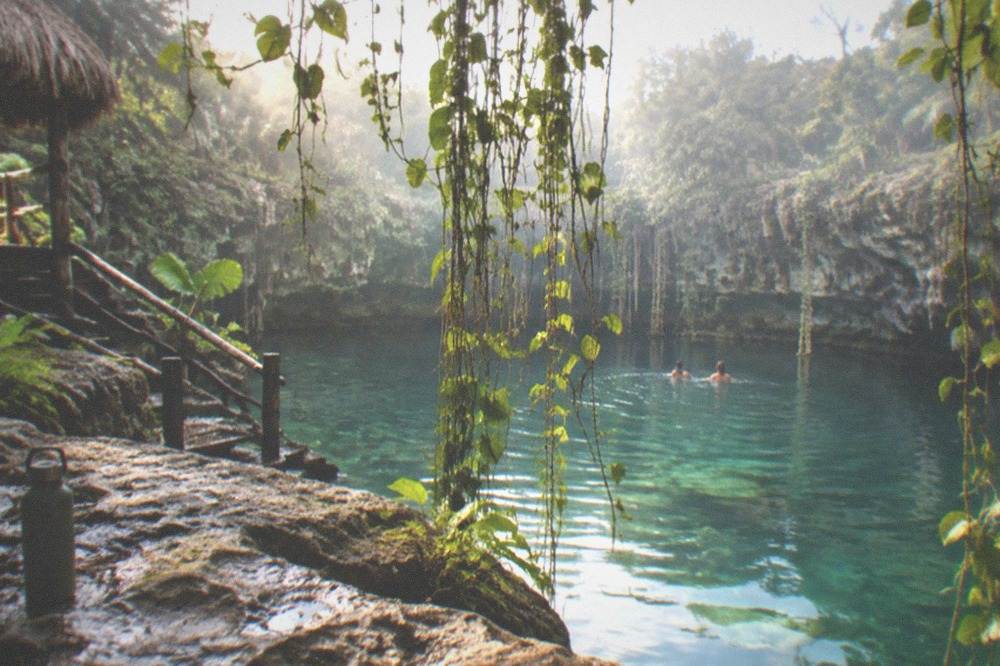
If light quality is the point of your visit, plan the whole morning around it rather than hoping for luck. Arrive at opening, shoot the beams in the first ninety minutes, and swim after the surface calms. Photographers planning a fuller water itinerary will find the site's best cenotes in Tulum rundown useful for matching specific sinkholes to a morning light plan.
How Should You Book Around All Of This?
Book a morning slot regardless of season, prefer tours with free cancellation when the roster allows it, and lock your date rather than your minute. On this site's roster, most products carry free cancellation on the listing, one ATV product does not, so the pattern is: reserve the early start now, keep the flexibility clause, and adjust only if the forecast or your flight changes.
The reason booking beats walk-up timing is arithmetic. The tour operators that run morning formats hold a fixed number of early seats, and the early seats are the ones worth holding. A same-day booking at 9 PM gets you whatever departure still exists, which in peak weeks is the midday one. The Tulum guided tour with cenote and lagoon snorkeling format is the roster's most-reviewed product at 4.9 across 1,975 reviews from $119, with Cancun and Riviera Maya hotel pickup available, and its morning structure is exactly the kind of early start worth reserving ahead.
One exception deserves plain language. The ATV Cenote and Zipline Adventure from Tulum is the one product on this roster whose listing carries no free cancellation, so if a storm-season flexibility plan matters to you, check that specific listing's terms carefully rather than assuming the roster-wide pattern applies (see Free In Tulum). The packing side of the same trip, including the biodegradable sunscreen rule and the pre-entry rinse that every corridor site enforces, is covered in this site's what to bring on a cenote tour guide.
| Timing decision | Best move | Why |
|---|---|---|
| Month | May or late September-early October for quiet; November-April for light | Shoulder weeks balance crowds and conditions |
| Hour | Opening, 8-9 AM at most sites | Quietest water, best light, no bus waves |
| Booking window | Reserve the morning slot early | Morning seats are the scarce ones, not the dates |
| Flexibility | Prefer free-cancellation formats | Storm-season dates stay adjustable |
The Short Version Of A Long Answer
Visit in any month, at opening, with a refundable morning tour. The water is 24-27 degrees Celsius year round, sargassum is a beach problem you never have to think about at a cenote, and rain only briefly softens some open sites. Choose shoulder months for quiet, dry season for light, and always choose the early slot over the perfect month.
There is a version of Tulum planning that treats the calendar as a minefield, and for the beaches it genuinely is. For the cenotes it is closer to a menu. Every option on it works. The site you are reading, Tulum Cenote Tours, exists largely because that distinction is so widely missed: people postpone whole trips over a seaweed forecast that does not touch the water they actually came to swim in.
Two closing notes for the practical planner. Budget the entrance fees separately from your tour price where they apply, and read up on cenote entrance fees in Tulum before you go, since fees are set by each site or ejido, quoted in pesos, and can change. And if you are weighing the whole question of whether a tour is needed at all, the can you visit cenotes without a tour piece gives the honest case for both sides, including the timing advantage a scheduled morning departure quietly buys you.
For certified divers specifically, the timing logic compresses into one line: the cavern sites hold their clarity in every month, so the only variable worth optimizing is the early entry, before open-water groups stir the platforms and the light beams soften.
Common Questions About Cenote Timing In Tulum
Does Sargassum Affect Cenotes?
No. Sargassum is carried by ocean currents and lands on beaches; cenotes are inland freshwater sinkholes with no ocean connection, so the seaweed never reaches them in any month. During heavy seaweed months, cenotes are the reliable clear-water option while beach conditions vary.
Are Cenotes Cold In Winter?
No. Cenote water in the Tulum corridor holds between 24 and 27 degrees Celsius year round because it comes from the underground aquifer, not from surface weather. The water does not get colder in winter or warmer in summer; only the air above it changes.
Why Do Cenotes Close At 5?
Corridor cenotes close in the late afternoon for a mix of reasons: daylight-dependent safety supervision, staffed operating hours, and recovery time for the fragile freshwater ecosystem. Last entry is often earlier than the closing time, sometimes 3 to 4 PM, which is one more reason to plan a morning visit.
Does Rain Make Cenote Water Murky?
Only sometimes, and only briefly. Closed and cavern cenotes are largely unaffected. Open-air cenotes can see short-term visibility dips after heavy rain as surface runoff carries fine sediment in, with temporary drops reported to around 20-28 metres at the worst affected sites before conditions recover.
How Many Days In Tulum Is Enough?
Most visitors find two to three days comfortable for Tulum itself, enough for a morning cenote tour, a ruins visit and a flexible beach or lagoon block. If cenotes are the focus of the trip rather than one part of it, add a day so you can space early-morning water sessions instead of stacking them.
Is Hurricane Season A Reason To Avoid Cenotes?
No. Hurricane season runs June 1 to November 30 with the highest risk concentrated in September and October, but direct hits are rare and a serious storm closes sites only for its duration. Book refundable formats, watch advisories, and treat stormy days as a scheduling event rather than a reason to cancel the whole trip.