Cenotes Near Tulum: The Full Corridor Guide
The cenotes around Tulum sit along two easy corridors, the Coba road heading inland and Highway 307 running north, and each named stop has a distinct personality, fee and crowd pattern.
Short answer
Roughly a dozen well-known cenotes sit within half an hour of Tulum Pueblo. Gran Cenote is 4 km away on the Coba road at 500 MXN entry, Dos Ojos is 20 to 22 km north at 350 to 400 MXN to snorkel, and Casa Cenote, Calavera, Car Wash and Zacil-Ha fill the gaps between at 100 to 250 MXN.
How Many Cenotes Are Near Tulum?
Within a 30 minute radius of Tulum Pueblo you can reach Gran Cenote, Calavera, Car Wash, Zacil-Ha, Cristalino and Escondido on the inland Coba road, and Dos Ojos, Casa Cenote and the wider Sac Actun system heading north on Highway 307. That is at least nine named, regularly visited sites, and the true count across the corridor runs far higher, since most are private or ejido-run sinkholes with a gate, a rope swing and a small fee.
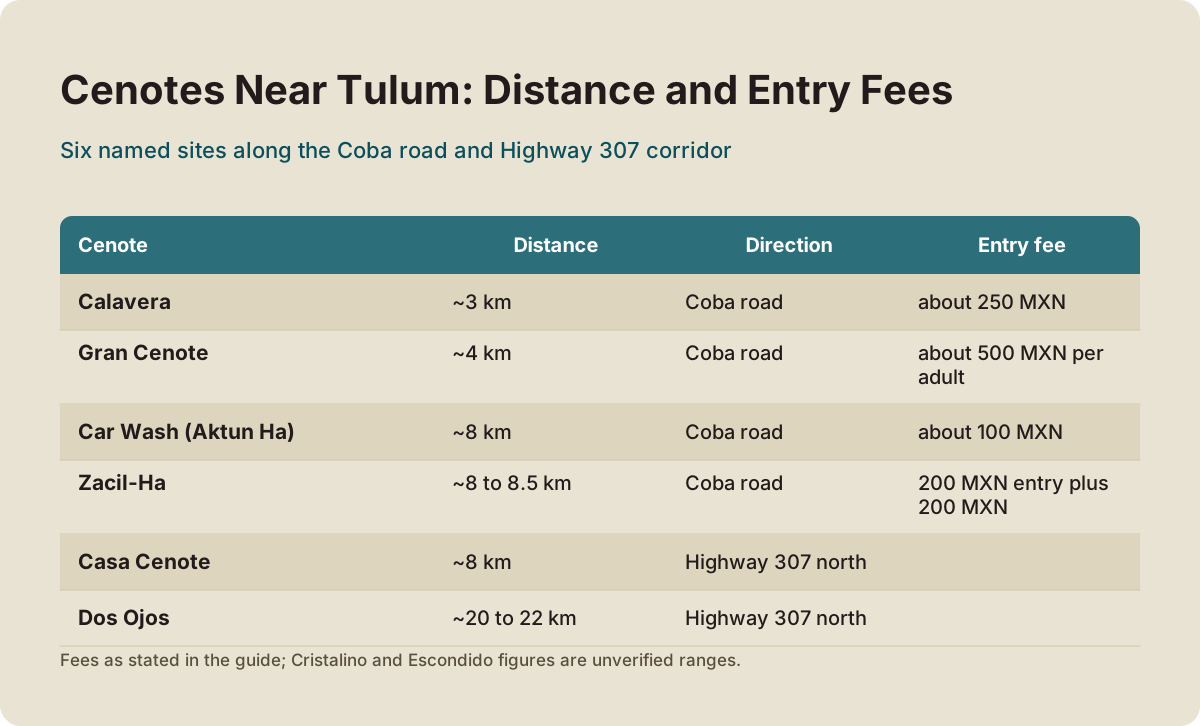
The geography is simpler than the number suggests. One cluster strung along the Coba road, Highway 109, starts barely 3 km from town: Calavera first at about 3 km, then Gran Cenote at around 4 km, with Car Wash, Zacil-Ha, Cristalino and Escondido another few kilometers out at roughly 8 to 8.5 km. The second cluster sits north along Highway 307: Casa Cenote at about 8 km, and Dos Ojos 20 to 22 km up the highway, roughly 25 minutes by car. Gran Cenote and Dos Ojos are both windows into the Sac Actun system, one of the longest mapped underwater cave networks on earth, which is why divers treat this corridor as a destination in itself.
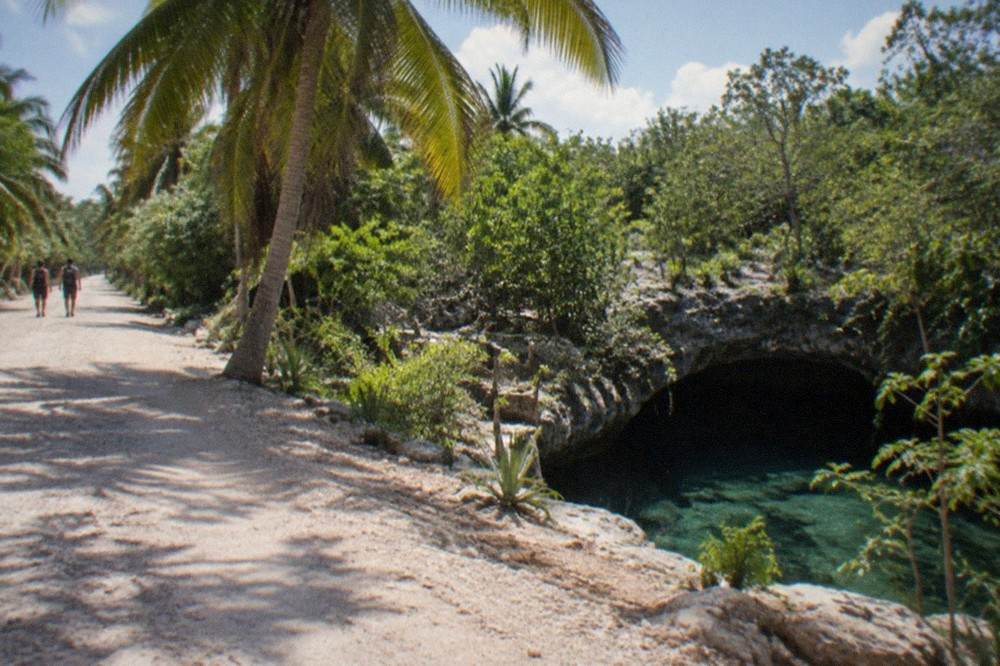
Distances matter because most people underestimate them. Gran Cenote is a 7 to 10 minute drive or an easy bike ride from Tulum Pueblo, which is why it gets tour buses by late morning, while Dos Ojos is a genuine 25 minute drive each way and rewards the trip with visibility that divers report at 30 m and beyond. Calavera sits close enough that travelers reach it by bike or a short taxi, and its rope swing and jump platforms keep the crowd young. There is no single ranking that fits everyone, and the honest answer to which cenote is best depends on whether you are snorkeling with kids, diving on certification, or chasing a quiet photo.
| Cenote | Distance from Tulum Pueblo | Direction | Character |
|---|---|---|---|
| Calavera | ~3 km | Coba road | Semi-open, jump platforms, party energy |
| Gran Cenote | ~4 km | Coba road | Semi-open with cave sections, turtles, snorkeling |
| Car Wash (Aktun Ha) | ~8 km | Coba road | Open plus cave sections, budget, natural setting |
| Zacil-Ha | ~8 to 8.5 km | Coba road | Open, family facilities, waterslide and zipline |
| Casa Cenote | ~8 km | Highway 307 north | Brackish mangrove river, fish, kayaking |
| Dos Ojos | ~20 to 22 km | Highway 307 north | Cavern system, diving and high-visibility snorkel |
Several snorkel-format tours on the corridor stop at one or more of these sites without naming the exact cenote on the listing, so the honest move is to read each itinerary closely or ask before booking. One exception on this roster: the Discovering Breathtaking Cenotes in Tulum tour is the only snorkel product whose listing names its stops, Dos Ojos and Casa Cenote, outright.
Which Cenote Near Tulum Is Right For You?
Pick by swim style, not by fame. Families and nervous swimmers gravitate to Gran Cenote and Zacil-Ha, both shallow with facilities and free or mandatory life jackets for children under 12. Divers head to Dos Ojos. Snorkelers who want the clearest open water choose Gran Cenote or Casa Cenote, and travelers on a budget take Car Wash at roughly 100 MXN. Jump seekers get Calavera, and that reputation is earned.
The routing below is the short version of this whole guide, and each single-cenote page on this site goes deeper on hours, photos and what the water actually feels like. If you want the wider shortlist with more sites beyond this corridor, the best cenotes in Tulum overview ranks the headline names against each other, and it is a good second read once you have narrowed your corridor choice here.
| If you want... | Go to | Why |
|---|---|---|
| Turtles and easy cave swim-throughs | Gran Cenote | Semi-open layout, shallow pools, resident turtles |
| The best-value swim | Car Wash / Aktun Ha | About 100 MXN entry, shallow open area plus cave |
| Kids' facilities and a waterslide | Zacil-Ha | 200 MXN entry plus 200 MXN for unlimited slide |
| Jumping and adventure photos | Calavera | Platforms and rope swing, ~15 m depth below |
| Snorkeling over mangrove roots with fish | Casa Cenote | Brackish lagoon connected to the sea underground |
| Diving or cavern snorkeling | Dos Ojos | 30 m-plus reported visibility, cavern lines |
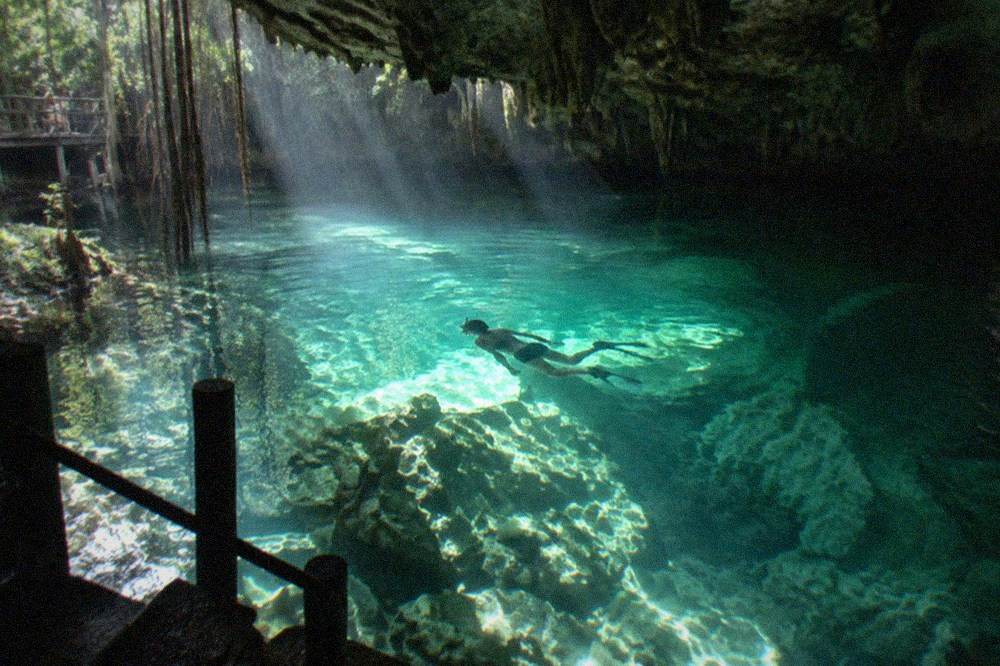
If your priority is a guided day rather than independent exploring, the format you pick does most of the work. A three-stop snorkel day like the Cenote Triple Adventure Tour in Tulum moves you between three sites in four hours with snacks and water included, from $129, which suits travelers who want variety and a driver. The Magical Cenote and Paradise Lagoon Snorkeling Adventure, from $79 and 4.9 across 886 reviews, is the cheapest standalone snorkel product on the roster and pairs a cenote with a lagoon. And for a full ruins-plus-water day, the Tulum Guided Tour, Magical Cenote, Lagoon Snorkeling and Beachside Lunch covers the archaeological zone, a cenote and Yalku Lagoon in 6.5 hours, from $119. These are the three default choices most corridor visitors end up comparing, so it is worth seeing them side by side before committing.
A note on honesty: beyond the one listing that names Dos Ojos and Casa Cenote, pair any tour with any cenote here only at category level. Tours in the snorkel category typically include a stop like the ones described, but the specific site is confirmed on the live listing, and operators do rotate stops for weather, crowds and cave conditions. That is not a flaw, it is how the corridor works, and a guide who reroutes you away from a swamped Gran Cenote on a holiday Tuesday is doing you a favor.
What Makes Gran Cenote And The Coba Road Cluster So Popular?
Gran Cenote, 4 km west of Tulum Pueblo on the Coba road, charges about 500 MXN per adult and delivers the corridor's most accessible semi-open swimming: shallow pools, a cave section, resident turtles and life jackets, often free or mandatory for children. Calavera at 3 km, Car Wash at 8 km and Zacil-Ha at 8 to 8.5 km complete the cluster, each under 10 minutes apart, so one morning covers two or three.
Gran Cenote is the corridor's benchmark because it works for nearly everyone. The open pools are shallow and sunlit, the cave passages are short and wide enough for casual snorkeling, and turtles are commonly spotted. It is open daily from around 8:00 AM to about 4:45 PM, with last entry near 4:15 PM, and cash is preferred at the gate. The trade-off is fame: tour buses land mid-morning, and the quiet window is opening time until about 10 AM, then again after 2:30 PM. The dedicated Gran Cenote guide covers the full fee breakdown, the locker situation and the photo angles.
The rest of the cluster splits by mood. Calavera, the so-called Temple of Doom, is the young, loud one: a semi-open hole with jump platforms and a rope swing, about 250 MXN to enter, roughly 15 m deep, and less suited to long leisurely swims. Car Wash, or Aktun Ha, is the opposite, an open pool with shallow 3 m areas and a deeper cave section at about 100 MXN, the lowest headline entry in the corridor, and a natural setting with minimal polish. Zacil-Ha rounds it out as the family stop, 200 MXN to swim plus 200 MXN for the unlimited waterslide, with facilities, zipline add-ons and a layout built for children rather than adventurers.
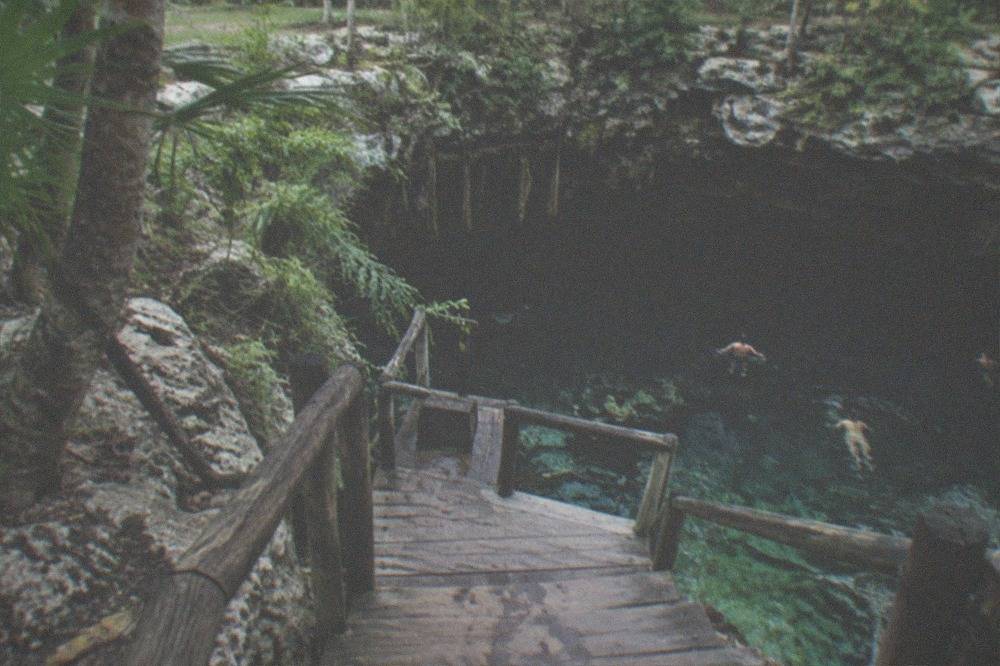
Guided products that work this cluster well include the Cenote Triple Adventure Tour in Tulum, which visits three cenotes in four hours, meets at 85xciento La Vera Pizza al Taglio in Tulum Centro, includes snacks and water, and offers lunch as a paid $15 add-on, from $129 with a 5.0 rating across 467 reviews. It is the efficient way to sample the corridor's variety without renting a car or haggling with taxis, and the small-group format keeps the day moving.
Cristalino and Escondido, the two sites closest to Zacil-Ha on the same stretch of the Coba road, sit at roughly 200 to 300 MXN in current overviews, though granular verification for those two specific fees is thinner than for the headline sites. Treat those figures as reasonable ranges and confirm on arrival. For depth on the pairing, the Zacil-Ha and Car Wash guide covers both sites and the Cristalino and Escondido stretch in one read.
How Do Tulum Ruins, Yalku Lagoon And Cenote Combos Work?
The most-reviewed product on the whole roster is the Tulum Guided Tour, Magical Cenote, Lagoon Snorkeling and Beachside Lunch, from $119 for 6.5 hours, 4.9 across 1,975 reviews, pairing the archaeological zone with a cenote swim, Yalku Lagoon snorkeling and lunch by the beach. The ruins entrance, about $15 per person, is extra, and the tour departs with Cancun and Riviera Maya hotel pickup available.
Combos make sense when the corridor is only part of your day. This particular tour stacks the three water-adjacent experiences travelers most request in one move: the clifftop ruins, a freshwater cenote, and the brackish-fresh lagoon at Yalku near Akumal where tropical fish gather around the rocks. The meeting point is on the listing, and the run time of 6.5 hours means a morning start gets you back by mid-afternoon. Its 1,975 reviews make it the single most battle-tested product on this site, which matters if you are booking a first cenote experience for a family.
Budget the ruins fee separately. Under the July 2026 unification decree, the Tulum archaeological zone and the adjacent protected natural area charge a combined 80 MXN for Mexican nationals and 265 MXN for foreign visitors, per the official Plan Tulum Renace announcement, and that figure supersedes the earlier January INAH-only doubling. A tour listing showing "ruins entrance ~$15pp extra" is consistent with that foreign-visitor rate, so carry cash for it. If ruins are your main draw, the is it worth going to Tulum ruins post weighs the site honestly against the fee and the crowds. Details and booking for the combo itself are on the tour page, or Check availability directly.
One planning caution for Cancun-based travelers: this and the other combo departing the Riviera Maya run long days when you add transit, and the Tulum Ruins and Cenote Guided Tour from Cancun is the roster's dedicated Cancun-departure version, 8 to 9 hours from the hotel zone, from $89, 4.6 across 2,606 reviews, with its cenote stop at Mariposa or Chen Ha and entrance and conservation fees extra. State the Cancun departure plainly: if you are staying in Tulum town, that one is not for you.
Why Do Divers And Snorkelers Head North To Dos Ojos?
Dos Ojos, 20 to 22 km north of Tulum on Highway 307 and about 25 minutes by car, is the corridor's cavern centerpiece: snorkel entry runs 350 to 400 MXN, guided cavern dive packages run around 1,600 MXN, visibility is reported at 30 to 100 m, and cavern dives stay within about 10 to 12 m depth inside the natural light zone, where an Open Water certification is enough with a qualified guide.
The name means "two eyes," two circular sinkholes staring into the same Sac Actun cave system, and the light zones inside are what visiting divers actually dive. Cavern diving here means staying in daylight with a full-cave-certified guide, which is a different activity from cave diving proper, and that distinction is the single most important safety rule on the corridor. Guided snorkeling between the two eyes, over stalactite formations lit from below, is the more common visit, and the Dos Ojos guide covers hours, last-entry quirks and the drive in detail.
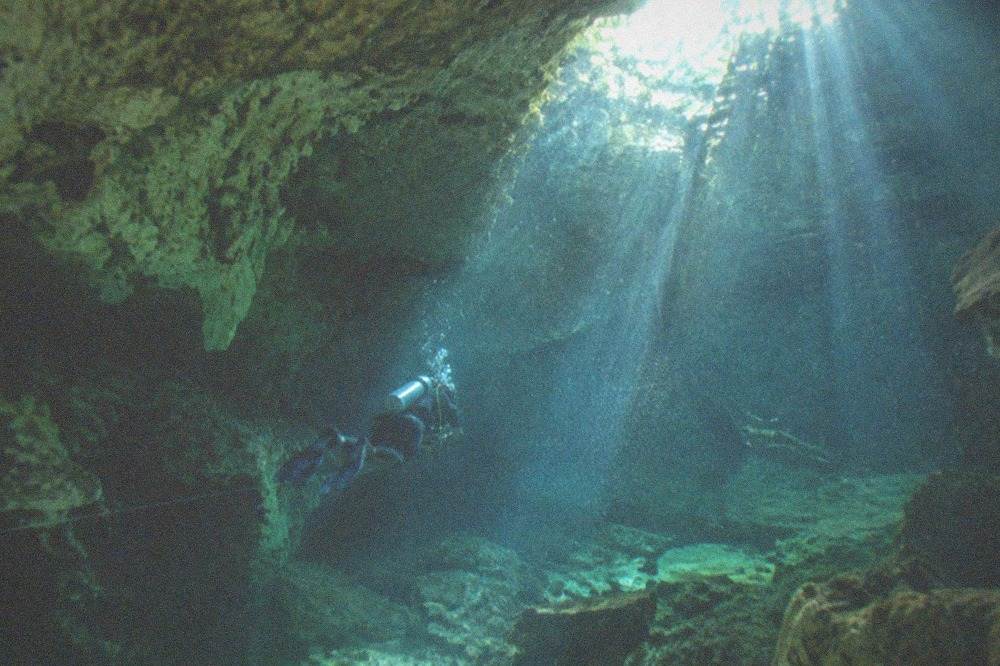
On the tour side, the Go for 2 Dives in Cenote Dos Ojos product for certified divers runs from $190, 5.0 across 90 reviews, supplied by La Calypso Dive Center with a maximum of four travelers and no lunch included. Divers need open-water certification at minimum, and the cave-certified guide requirement is standard across the corridor. Beginners are not shut out: the Tulum: Discover Scuba Diving in Cenotes format from $179 needs no certification at all, meeting at Agua Clara Diving Tulum, and it is the natural first-diving product if the Dos Ojos photographs are what pulled you toward the corridor in the first place. Water temperature holds at roughly 24 to 27 degrees C year round, so there is no season when the caverns get cold.
Two honest caveats. The advanced sites in this system, The Pit and similar deep sinks, require Advanced Open Water or equivalent and cost more, and the roster's Tulum: Scuba in 2 Cenotes Including a Deep One at $230 is the advanced/Level 2 option. And the Sac Actun standalone entrance or diving-permit fee is not published as a verified figure anywhere in this research, so no honest page states one; diving products bundle whatever access applies into the package price, which is why the tour numbers above are the numbers you actually pay.
What Is Casa Cenote And Is The Crocodile Rumor True?
Casa Cenote, about 8 km north of Tulum on Highway 307, is not a round sinkhole but a brackish mangrove river channel connected underground to the sea, entry around 150 to 200 MXN, suited to snorkeling over mangrove roots with fish and to kayaking. Occasional crocodile sightings are real and specific to this site's brackish mangrove water; most Tulum-corridor cenotes are closed freshwater sinkholes with no crocodile habitat at all.
The crocodile question comes up constantly, and the honest answer is narrow on purpose. Casa Cenote, also called Cenote Manati, mixes freshwater with saltwater moving through the mangrove, and that is precisely the habitat a small crocodile tolerates, hence occasional sightings. Gran Cenote, Dos Ojos, Calavera and the rest of the inland corridor have no such connection and no such residents, so a blanket "cenotes have crocodiles" claim is false. If the topic interests or worries you, the full treatment is in are there crocodiles in Mexican cenotes.
For families, Casa Cenote is one of the friendliest stops on the corridor: the water is calm, the mangrove root tunnels hold schools of fish, life jackets are commonly free for children under 12, and open roughly 9:00 AM to 5:00 PM. The halocline, the visible layer where fresh and salt water meet, is a genuine spectacle for snorkelers and worth explaining to kids in advance so the shimmer does not startle them.
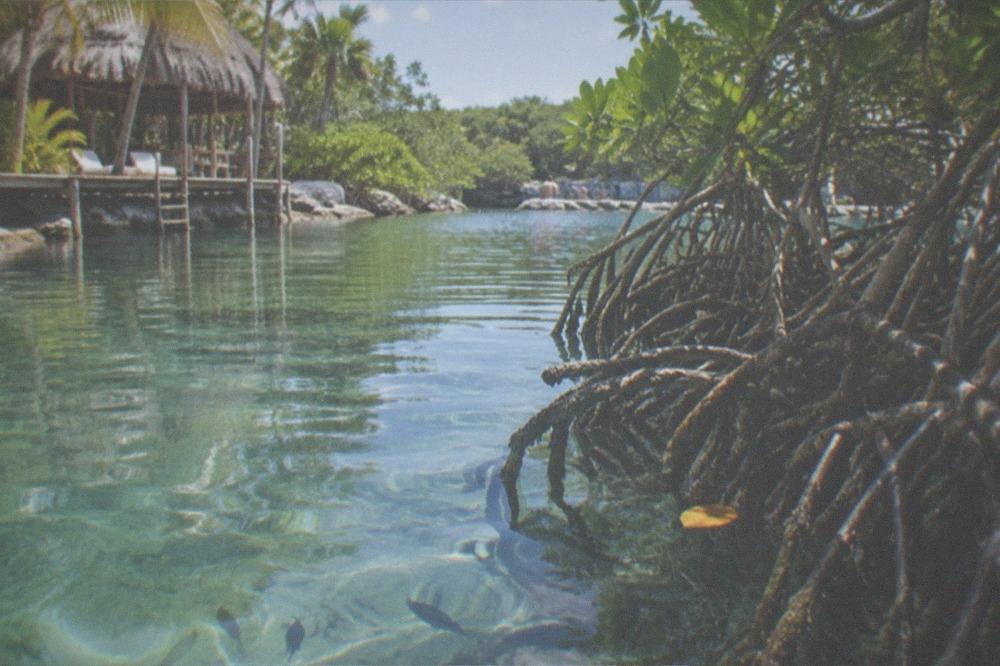
The deeper single-site treatment, including snorkel logistics and where the channel opens toward the coast, is the Casa Cenote guide. As a corridor pairing note, Casa Cenote and Dos Ojos sit within 15 minutes of each other on Highway 307, so a northbound morning can reasonably cover one for swimming and the other for photos before the midday buses arrive.
What Does It Cost To Visit Cenotes Near Tulum?
Expect to pay roughly 100 to 500 MXN per person to enter the cenotes near Tulum, with most sites clustered between 150 and 400 MXN. Car Wash is the budget pick at about 100 MXN, Casa Cenote charges 150 to 200 MXN, Calavera runs 250 to 300 MXN, Dos Ojos costs 350 to 400 MXN to snorkel, and Gran Cenote tops the range at 500 MXN, while Zacil-Ha adds 200 MXN for its waterslide.
The table below is the corridor's money picture in one view. The one officially sourced figure in this whole fee landscape is the Tulum archaeological zone and ANP combined rate, 80 MXN national and 265 MXN foreign, announced in the Plan Tulum Renace decree; every individual cenote fee here is secondary-sourced, a reasonable current figure rather than a locked official price, and the honest way to treat them is as planning ranges with cash in your pocket.
| Cenote | Entry fee (MXN) | Rough USD | Notes |
|---|---|---|---|
| Gran Cenote | 500 MXN adult | ~$27 | Cash preferred; lockers about 50 MXN |
| Dos Ojos | 350 to 400 MXN snorkel; ~1,600 MXN guided cavern dive | ~$19 to $24 / ~$87 | Dive packages via operators |
| Calavera | 250 to 300 MXN | ~$13 to $16 | Jump platforms included |
| Casa Cenote | 150 to 200 MXN | ~$8 to $11 | Kayak add-ons possible |
| Zacil-Ha | 200 MXN plus 200 MXN slide | ~$11 (+$11) | Slide is a separate fee |
| Car Wash / Aktun Ha | ~100 MXN | ~$5 | Higher fee reported for divers |
| Cristalino / Escondido | ~200 to 300 MXN range | ~$11 to $16 | Less granular verification, confirm on arrival |
Fees cover basic facilities: rinse showers and changing rooms are standard at every site, lockers around 50 MXN appear at the larger stops like Gran Cenote and Dos Ojos, and smaller community-run sites often have none, so travel light. A professional camera or GoPro can incur an extra 100 to 300 MXN on-site fee at some cenotes, cash only, so check the posted policy before you pull gear out. Drones are generally prohibited or heavily restricted at cenotes and are not permitted at the Tulum archaeological zone under standard rules.
One tax that is not a cenote fee: the Quintana Roo Visitax, roughly 283 MXN per foreign visitor, is a state-level airport tax paid online or at airport kiosks. It never appears at a cenote gate and never belongs on a tour price line, but it belongs in your overall trip budget if you are flying into the state.
Guided tours change the arithmetic rather than the fees. A tour like the Cenote Triple Adventure Tour at from $129 bundles transport, gear and site access into one price, while the Riviera Maya: Tulum Ruins and 2 Cenotes Half-Day Tour advertises from $27, the roster's cheapest headline, then collects roughly $40 in adult entrance fees and taxes on-site. Both models are honest; just read which side of the line each figure sits on before comparing prices. The cenote entrance fees guide goes deeper on every line item.
When Should You Visit And What Rules Get Enforced?
Arrive at opening, typically 8:00 to 9:00 AM, for the quietest water; crowds and 20-plus minute waits peak between 10 or 11 AM and 2 PM as buses land, and conditions ease after 2:30 PM. Biodegradable or reef-safe mineral sunscreen is mandatory everywhere, a pre-entry rinse at the shower station is enforced, and violations can draw fines up to 1,200 MXN, while some sites ban all sunscreen, even the compliant kind.
The sunscreen rule is the one that actually costs people money. Conventional chemical sunscreen is refused at the gate, a rinse-off before entering is universal, and enforcement can include bag checks; approved biodegradable tubes sell at entrances for roughly 150 to 350 MXN if you arrive without one. The strictest sites go further and prohibit all sunscreen plus repellent, makeup and lotions, so the safe default is to shower off everything and apply products only after your last swim of the day. The packing treatment, including footwear and what genuinely earns its space in a dry bag, is covered item by item in the what to bring on a cenote tour guide.
Timing by month matters less than timing by hour. Water temperature holds at roughly 24 to 27 degrees C year round regardless of season, and visibility in closed and cavern cenotes barely moves; only open-air cenotes see short-term dips, to around 20 to 28 m, after heavy rain runoff. Sargassum, the seaweed variable that dominates Tulum beach planning, is strictly an ocean phenomenon and never reaches these inland freshwater sites, which is exactly why the corridor fills up in peak sargassum months when the beaches look rough. If you are weighing the whole calendar, the best time to visit cenotes guide lays out the trade-offs month by month.
Can You Visit These Cenotes Without A Tour?
Yes, and most corridor sites are built for independent visits: every cenote in this guide sells entry at the gate, taxis and rental bikes cover the Coba road cluster, and Gran Cenote is a 7 to 10 minute ride from Tulum Pueblo. A tour adds value when you want transport bundled, gear included, a driver between distant sites like Dos Ojos, or English-speaking context, and independent visits win on flexibility and cost at one or two close sites.
The practical split is distance. Calavera, Gran Cenote, Car Wash and Zacil-Ha form a tight cluster reachable by bike or a short taxi from town, and paying 100 to 500 MXN at each gate with your own snorkel mask is the cheapest way to see them. Dos Ojos, Casa Cenote and anything dive-oriented tilt toward a tour or a rental car: a 25 minute drive each way, site-specific last-entry times, and, for diving, a credentialed guide you cannot substitute. The full decision framework, including safety considerations and what independent visitors most often get wrong, is in can you visit cenotes without a tour.
Two honest notes to close the comparison. If you go independently, respect the 5 PM closure pattern that runs corridor-wide: gates stop admitting well before close, Gran Cenote's last entry sits near 4:15 PM, and the reasoning behind those early cutoffs is covered in why do cenotes close at 5. And if you go with a tour, verify the cancellation terms on the specific listing: most products on the corridor carry free cancellation, but it is never universal, so read the terms rather than assuming.
If your Tulum trip is bigger than one water day, how many days in Tulum is enough helps you budget the calendar, and Tulum Cenote Tours keeps the whole corridor under one roof for planning the rest.
Common Questions About Cenotes Near Tulum
How Much Does It Cost To Visit A Cenote In Tulum?
Entry fees run from about 100 MXN at Car Wash to 500 MXN at Gran Cenote, with Dos Ojos at 350 to 400 MXN to snorkel and most other sites between 150 and 300 MXN. Fees are set by each site and can change, so confirm on arrival and carry pesos.
Is Gran Cenote Worth Visiting?
Yes for most travelers: it is the corridor's most accessible site, 4 km from Tulum Pueblo, with shallow open pools, a cave section, resident turtles and good facilities at 500 MXN. Arrive at opening to dodge the midday bus crowds.
Are There Crocs In Mexican Cenotes?
Occasional crocodile sightings are real at Casa Cenote specifically, because its brackish mangrove water connects toward the sea. Most Tulum-corridor cenotes are closed freshwater sinkholes with no crocodile habitat at all.
Can You Visit Cenotes Without A Tour?
Yes. Every named cenote near Tulum sells entry at the gate, and the Coba road cluster is bike or taxi distance from town. Tours mainly add value for transport to distant sites, included gear, and guided diving, which requires a credentialed guide.
Why Do Cenotes Close At 5?
Sites across the corridor stop admitting visitors well before the 5 PM close, with last entries often between 3:00 and 4:15 PM, to protect the closed freshwater ecosystem, manage daylight in cave sections and allow staff to clear and clean the sites.
Which Cenote Is Best For Toddlers?
Zacil-Ha is the strongest corridor pick for toddlers: a shallow open pool, family facilities, a 200 MXN entry plus 200 MXN for the waterslide, and life jackets commonly provided for children under 12. Gran Cenote's shallow open pools are the close second choice.