Cenote Entrance Fees In Tulum: 2026 Price Guide
Cenote entrance fees near Tulum run from roughly 100 MXN at community-run sites to 500 MXN at Gran Cenote, almost always in cash. This guide lists every current figure, the ruins ticket tiers, and the arithmetic that decides whether a packaged tour beats paying your own way.
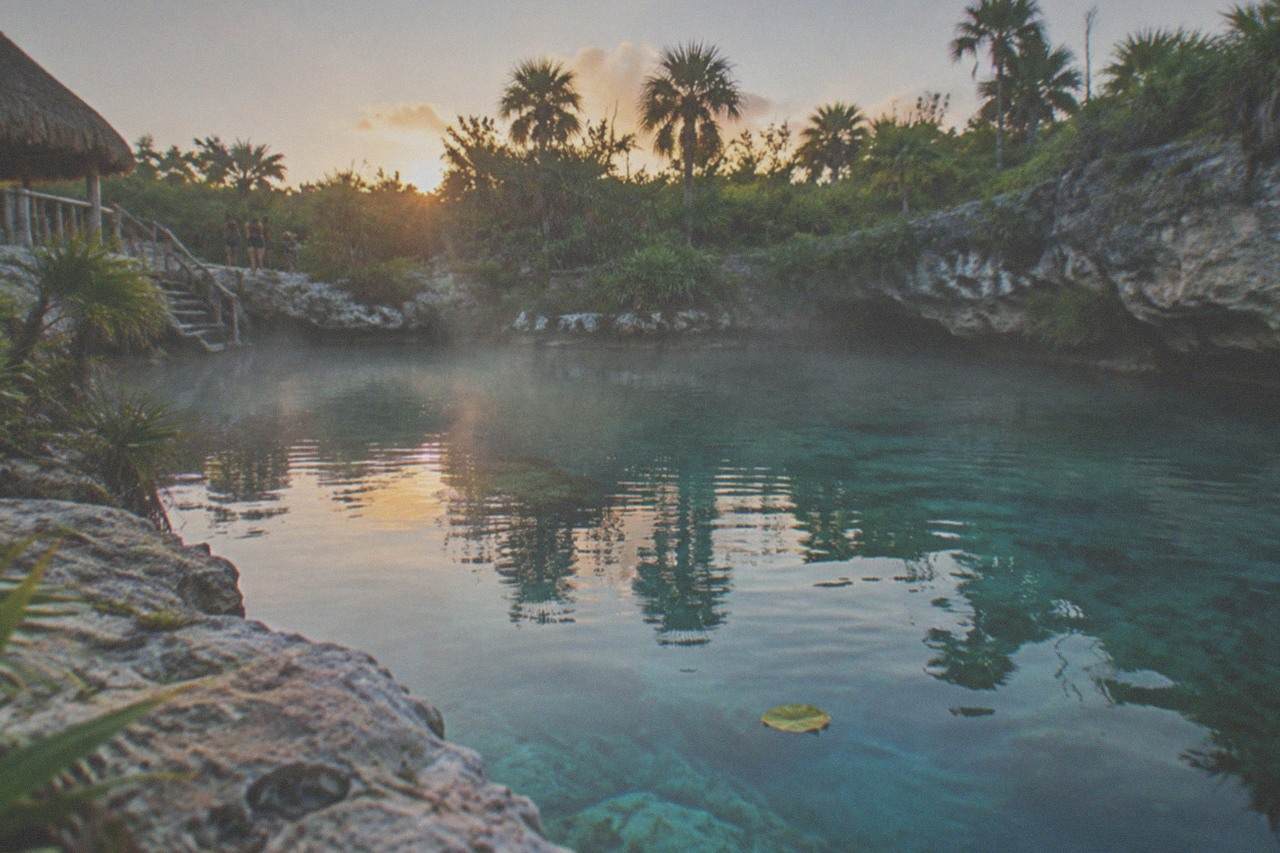
Short answer
Cenote entrance fees near Tulum run from about 100 MXN at Car Wash to 500 MXN at Gran Cenote, with Dos Ojos at 350-400 MXN for snorkeling. Most sites take cash only. A packaged tour from $79 to $129 often bundles several entries, transport and gear, which changes the math.
Cenote entrance fees near Tulum span a surprisingly wide range for a 15-kilometer corridor: 100 MXN at Car Wash, 500 MXN at Gran Cenote, and roughly ten times that for a guided cavern dive at Dos Ojos. Almost none of it goes on a card. The sites are mostly ejido-run, meaning community-owned, and they price access in Mexican pesos, in cash, at a gate that may or may not have change for a 500-peso note.
The second thing nobody tells you up front is that the fee at the gate is rarely the whole cost. Lockers run about 50 MXN at the big sites, camera fees can add 100 to 300 MXN, and the ruins next door now run on a unified federal ticket that changed twice in 2026. This guide puts every current figure in one place, MXN-first, then does the arithmetic that actually matters: whether three solo entries stacked together beat one packaged tour price. The short answer is that it depends entirely on transport, and the full cost breakdown for a single cenote visit covers the single-site case in detail.
What Does A Cenote Entrance Fee Actually Cover?
The entrance fee at a Tulum-area cenote buys one person one day's access to the water and the basic facilities: rinse showers, changing rooms, and in most cases a lifeguard or site attendant. It does not include snorkel gear rental, lockers, food, guided tours, or dive access at sites where diving is priced separately. Fees are set by each ejido or operator and can change, confirm on arrival.
That last sentence is not boilerplate. The individual cenote fees in this guide come from current 2026 travel reporting rather than an official published tariff, because no single official tariff exists. Each site sets its own price, adjusts it without much notice, and collects it at a small gatehouse where a hand-painted sign is often the only price list you will see.
What the fee funds is worth knowing. At community-run sites like Car Wash and Casa Cenote, the entrance fee is the main income stream for the local ejido, and it pays for path maintenance, bathroom upkeep, and the rinse stations that every site in Quintana Roo is now required to enforce. At the bigger sites, Gran Cenote and Dos Ojos, you get more infrastructure for your pesos: lockers, wading platforms, and parking.
A few things sit deliberately outside the fee. Waterslide access at Zacil-Ha is a separate 200 MXN add-on. Diving at Dos Ojos runs on a different price track entirely, roughly 1,600 MXN for a guided cavern dive, because it requires a certified guide and gear. And conventional sunscreen is banned everywhere in the corridor, with fines reported up to 1,200 MXN at enforcing sites, so a 150-peso tube of mineral sunscreen from the gate shop is part of the real cost if you arrive unprepared. The what to bring guide lists the compliant products.
How Much Is Each Cenote Entrance Fee Near Tulum?
Gran Cenote charges 500 MXN per adult, Dos Ojos 350-400 MXN for snorkeling, Calavera 250-300 MXN, Casa Cenote 150-200 MXN, Zacil-Ha 200 MXN, and Car Wash about 100 MXN. In rough USD that spans $5 to $30 per person. All are secondary-sourced current figures; fees are set by each site and can change, so confirm on arrival.
Here is the full fee picture for the named cenotes on the Tulum corridor. The USD figures are rounded ranges at recent exchange rates, not fixed conversions, because the peso rate you get on the day shifts the dollar figure by a few dollars either way.
| Cenote | Entrance fee (MXN) | Rough USD | Notes |
|---|---|---|---|
| Gran Cenote | 500 MXN adult | ~$27-30 | Cash preferred, card reader sometimes works |
| Dos Ojos | 350-400 MXN snorkel/swim | ~$19-24 | Guided cavern dive track around 1,600 MXN |
| Calavera | 250-300 MXN | ~$13-16 | Popular for jumps, shorter visit |
| Casa Cenote | 150-200 MXN | ~$8-12 | Brackish mangrove water, snorkel-friendly |
| Zacil-Ha | 200 MXN | ~$11 | Waterslide a further 200 MXN add-on |
| Car Wash (Aktun Ha) | ~100 MXN | ~$5-6 | Cheapest named site, budget favorite |
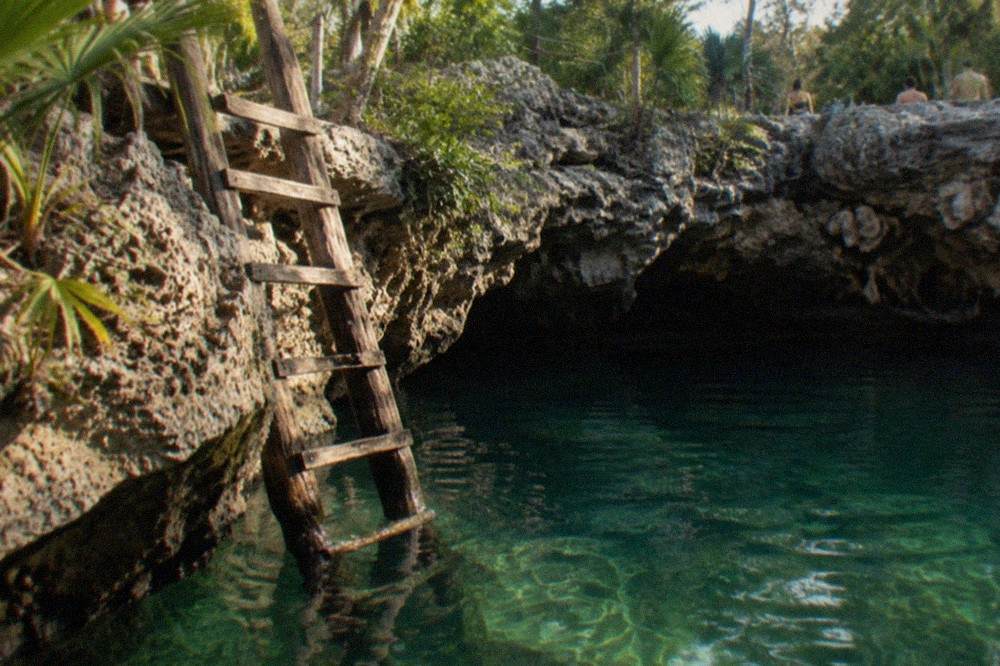
The distance between the cheapest and priciest site is a 15-minute drive. Car Wash sits about 8 kilometers from Tulum Pueblo at roughly 100 MXN, while Gran Cenote, 4 kilometers west on the Coba road, charges 500 MXN. The gran cenote guide explains why that site carries the premium: turtles, swim-throughs, and the most polished facilities on the corridor.
Timing changes the experience more than the price does. The fee is the same at 8 AM and at noon, but the site is not. Tour buses land between roughly 11 AM and 2 PM, wait times can exceed 20 minutes, and some sites run batch entry. Arriving at opening, usually 8 or 9 AM, costs nothing extra and buys you the same water with a fraction of the people.
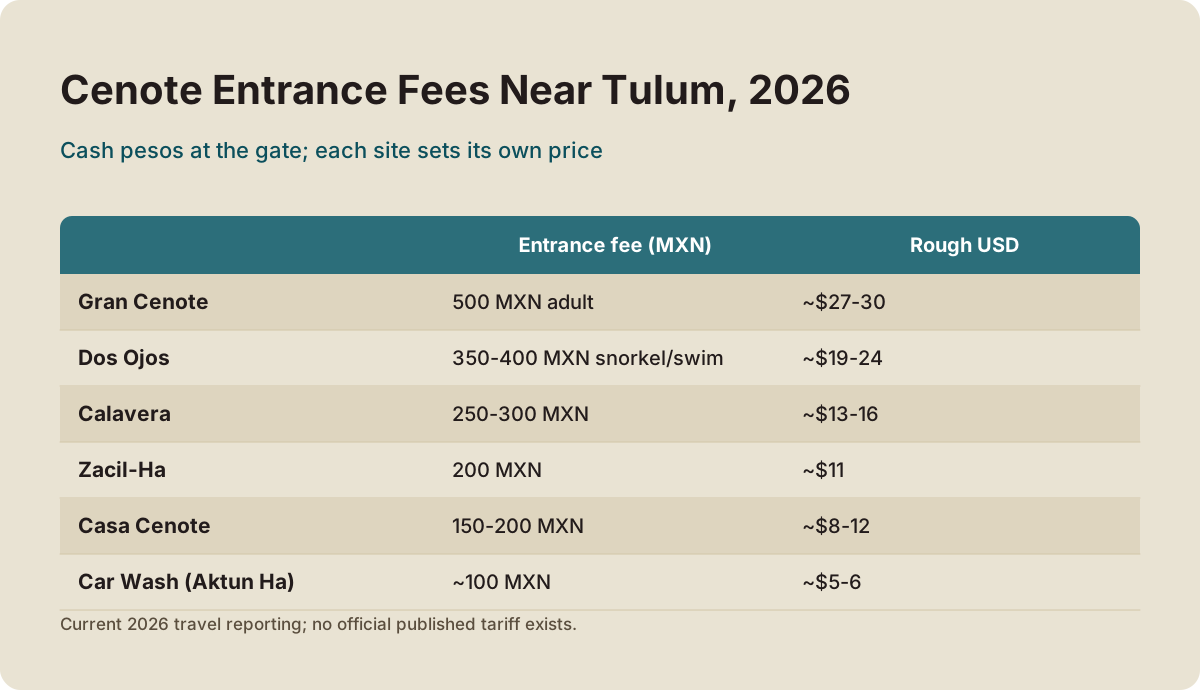
If your instinct is that three cenote stops bought separately will cost around 700 to 1,000 MXN in entries alone, your instinct is right. That number is the one to hold in your head for the tour comparison further down this page.
What Do The Tulum Ruins And Cenote Combo Tickets Cost?
The unified ticket for the Tulum archaeological zone plus the protected natural area costs 265 MXN for foreign visitors and 80 MXN for Mexican nationals, following the July 2026 federal unification decree. Parque Nacional del Jaguar next door is free for everyone, with an optional 20 MXN shuttle. Combo tours from $27 to $129 bundle these fees differently, so read what is included.
The ruins fee story in 2026 is genuinely confusing, so here is the timeline compressed. In January, the INAH admission fee doubled to roughly 209-210 MXN for foreign visitors and 105 MXN for Mexicans under the reformed federal fee schedule. Then in July, a presidential decree unified access across the archaeological zone, the protected natural area, and the Jaguar park into one ticket: 80 MXN for nationals, 265 MXN for foreign visitors, with the park itself free to everyone. The official decree announcement states the new tariffs directly, and it is the one figure in this whole fee landscape with a confirmed government primary source.
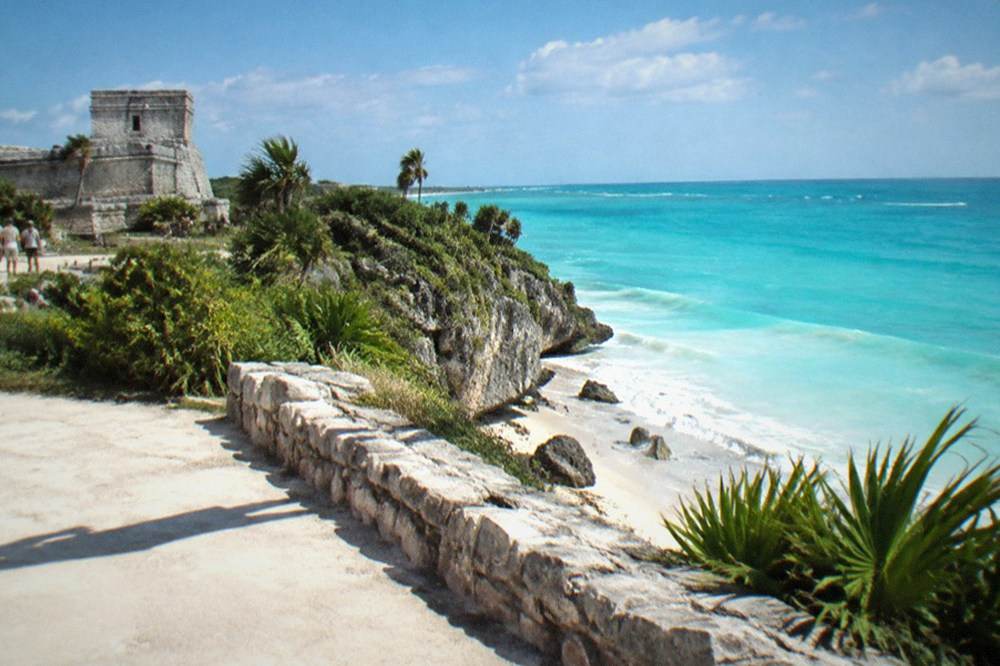
What that means for a cenote-and-ruins day is a second gate fee on top of your cenote entries, unless a tour covers it. The corridor's combo products handle this three different ways, and the difference matters more than the headline price.
| Ticket tier | Fee | What it covers |
|---|---|---|
| Tulum ruins + ANP, foreign visitor | 265 MXN (~$14) | Archaeological zone and protected natural area, unified ticket |
| Tulum ruins + ANP, Mexican national | 80 MXN (~$4-5) | Same access, ID required |
| Parque Nacional del Jaguar | Free | The beachside park; optional electric shuttle 20 MXN |
| Typical combo tour government fees | ~$40 adult unless stated | Many tours collect archaeological and conservation fees on-site, extra |
The cheapest combo on this site's roster, the Riviera Maya Tulum Ruins and 2 Cenotes half-day tour, is priced from $27, and it states plainly that entrance fees and taxes, around $40 per adult, are paid on-site in addition. A $27 headline is therefore a $67 day once the gates are settled, which is still competitive but not the number most people picture at checkout. The same logic applies in reverse at the premium end: tours that say "all fees included" in the listing are charging you a higher headline to cover gates you would otherwise pay in pesos, and that is frequently the better deal for anyone who does not want to carry cash.
The ruins site runs 8 AM to 5 PM with last entry at 3:30 PM, and current published hours confirm no weekly closure. Sundays are free for Mexican nationals and residents with ID, which is worth knowing if you travel with local friends.
Solo Entries Or One Packaged Tour: Which Costs Less?
Stacking three cenote entries solo runs roughly 700-1,000 MXN per person in gate fees, around $38-55, plus transport. The packaged snorkel tours on this roster run from $79 to $129 and include multiple entries, gear and transport. The tour wins on any day involving two or more sites and no rental car; solo wins for one site by bike or taxi.
Here is the honest arithmetic, using the verified current figures on both sides. The solo column uses midpoints of the fee ranges above; the tour column uses the roster's own FIRM prices. The wider set of guides lives on Tulum Cenote Tours.
| Plan | Gate fees | Tour price | Total estimate per person |
|---|---|---|---|
| Gran Cenote solo, by bike | 500 MXN (~$27) | n/a | ~$32 with bike rental |
| Three cenotes solo, no car | 850 MXN (~$46) | n/a | ~$85-110 with taxis |
| Cenote Triple Adventure tour | included | from $129.88 | ~$130 all-in, 3 sites, 4 hours |
| Magical Cenote and Lagoon tour | included | from $79 | ~$79 all-in, transport and pickup |
| Riviera Maya ruins + 2 cenotes | ~$40 on-site | from $27 | ~$67 plus lunch |
The pattern is clear once you price transport. Three solo entries at 850 MXN look like the cheap option until you realize the corridor's sites are 4 to 22 kilometers apart, and a taxi between each pair costs more than the entry you just paid. A tour bus doing that loop for you is not a luxury line item, it is the thing that makes the multi-site day feasible.
The Magical Cenote and Paradise Lagoon Snorkeling Adventure is the roster's cheapest standalone snorkel product at from $79, holding a 4.9 rating across 886 reviews, and it includes hotel pickup from Cancun and the Riviera Maya. For a one-swim day it undercuts the solo stacking math decisively, and it is the natural pick if you want a single clear-water stop without renting anything.
At the other end of the same comparison sits the Cenote Triple Adventure Tour in Tulum, from $129.88 with a perfect 5.0 rating from 467 reviews, which covers three cenotes in four hours with snacks and water included. Lunch is a paid 15-dollar add-on on that listing, so budget for it. Buying that same three-site day solo means roughly 850 MXN in entries plus gear rental plus transport between three sites, and the tour price stops looking premium very quickly. The cenotes near Tulum guide maps which sites sit close enough to make a solo circuit realistic.
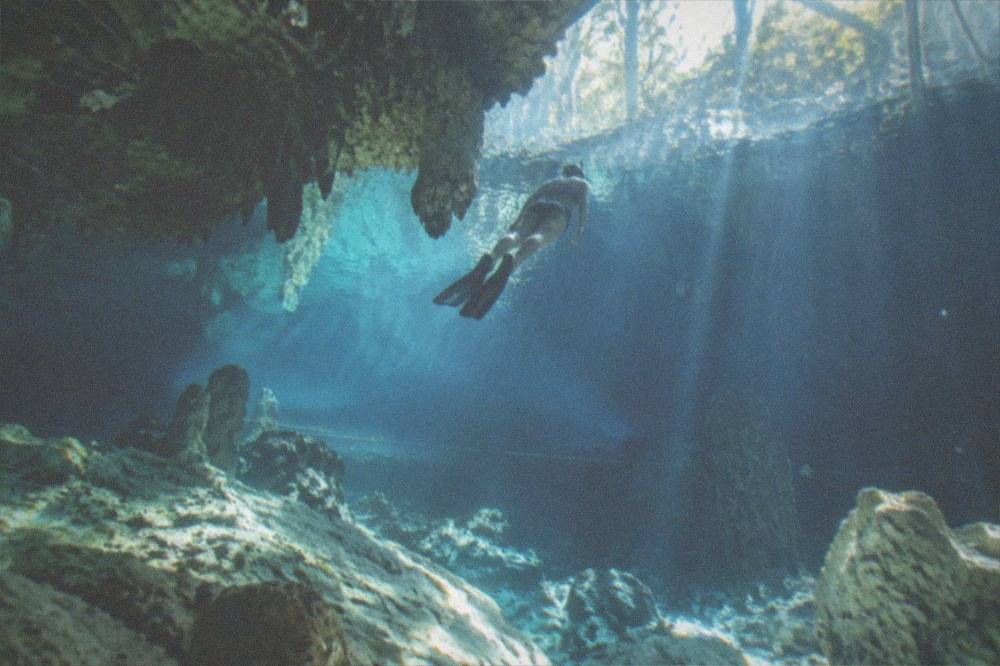
The related pick for this fee guide is the Riviera Maya Tulum Ruins and 2 Cenotes Half-Day Tour, from $27 with a 4.4 rating across 1,166 reviews, Riviera Maya hotel pickup included, life vest and locker included, and the government fees of roughly $40 per adult paid on-site. It is the clearest example on the roster of the low-headline, pay-at-the-gate pricing model, and reading its fee structure is the best training for reading any combo listing.
What Extra Fees Creep Onto A Cenote Day?
Beyond the gate fee, plan for lockers at about 50 MXN at major sites, camera or GoPro fees of 100-300 MXN at some cenotes, the 200 MXN Zacil-Ha waterslide add-on, and up to 1,200 MXN in fines if you break the sunscreen rules. Life jackets for children under 12 are usually free at major sites. None of these figures appears in a tour headline price unless stated.
The extras are small individually and meaningful together. Here is the working list, with the same confirm-on-arrival framing, because these are the figures sites adjust most often and enforce most variably.
| Extra | Typical cost | Where it applies |
|---|---|---|
| Locker | 50 MXN (~$3) | Gran Cenote, Dos Ojos; usually none at community sites |
| Camera or GoPro fee | 100-300 MXN (~$5-16), cash | Some cenotes, policy varies by site |
| Waterslide at Zacil-Ha | 200 MXN (~$11) | Optional add-on to the 200 MXN entry |
| Mineral sunscreen tube | 150-350 MXN (~$8-19) | Gate shops, if you arrive without one |
| Life jacket | Free at major sites, or 0-50 MXN | Usually required for under-12s and non-swimmers |
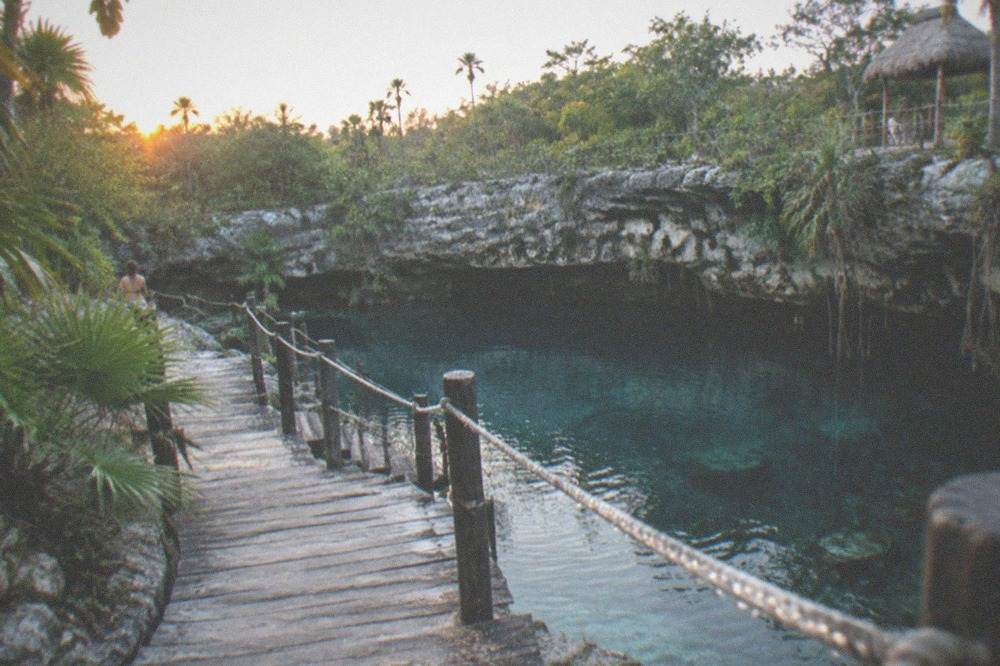
The sunscreen rule deserves its own sentence because it is the one extra that behaves like a fine rather than a fee. Every cenote in Quintana Roo now requires mineral-filter sunscreen only, some sites ban all sunscreen including biodegradable versions, and every site mandates a rinse-off shower before you enter the water. The safest strategy is to wear a rash guard instead of any lotion, shower at the gate as required, and apply products only after you are done swimming for the day. Drones are prohibited at the archaeological zone and heavily restricted at cenotes generally.
How Do You Pay Cenote Entrance Fees In Tulum?
Pay in Mexican pesos, in cash, at the gate. Card readers are reliable at Gran Cenote and Dos Ojos and unreliable or absent everywhere else on the corridor. Bring small notes, because gates often lack change for 500-peso bills. A state visitor tax of about 283 MXN applies to foreign visitors but is paid at the airport, never at cenote gates.
The cash question is the one that actually stops people at the gate. Gran Cenote and Dos Ojos, the two most-visited sites, can process cards. The rest of the corridor, Calavera, Casa Cenote, Car Wash, Zacil-Ha, works on pesos in hand, and a traveler with only a card at Car Wash will be turning around. Withdraw from an ATM in Tulum Pueblo the day before, not at the gate, and ask for small denominations if the machine allows it.
One fee that often gets mixed into cenote budgeting does not belong there. Quintana Roo's visitor tax, roughly 283 MXN per foreign visitor, is a state-level airport tax payable online in advance or at airport kiosks. It never appears at a cenote or ruins gate, and no tour page should list it as an entrance fee. It belongs in your flight-arrival budget, not your swim budget.
The Visitax aside made, the practical cash stack for a two-cenote solo day is about 1,000 MXN in entries, plus 200 MXN of buffer for lockers, a slide, or a sunscreen tube. That is the number to withdraw. If a tour covers entries, the cash you need drops to whatever the listing says is paid on-site, usually the government fees at the ruins.
When Do Fees Stay Flat But Crowds Do Not?
Entrance fees do not change by season; the same 500 MXN applies in December and in May. What changes is the queue: December through March and peak summer bring the largest crowds, while May, late September and early October are the corridor's quiet windows. Weekday mornings at opening are the cheapest-feeling visit at any price.
Cenote water holds at roughly 24-27 degrees Celsius year-round, fed by the aquifer, so there is no "better water" season to buy into. There is only a crowd season to dodge. The busiest stretch is December to March, holidays and spring break included, with peak summer close behind. Midday is the peak-within-the-peak, as tour buses arrive between 11 AM and 2 PM.
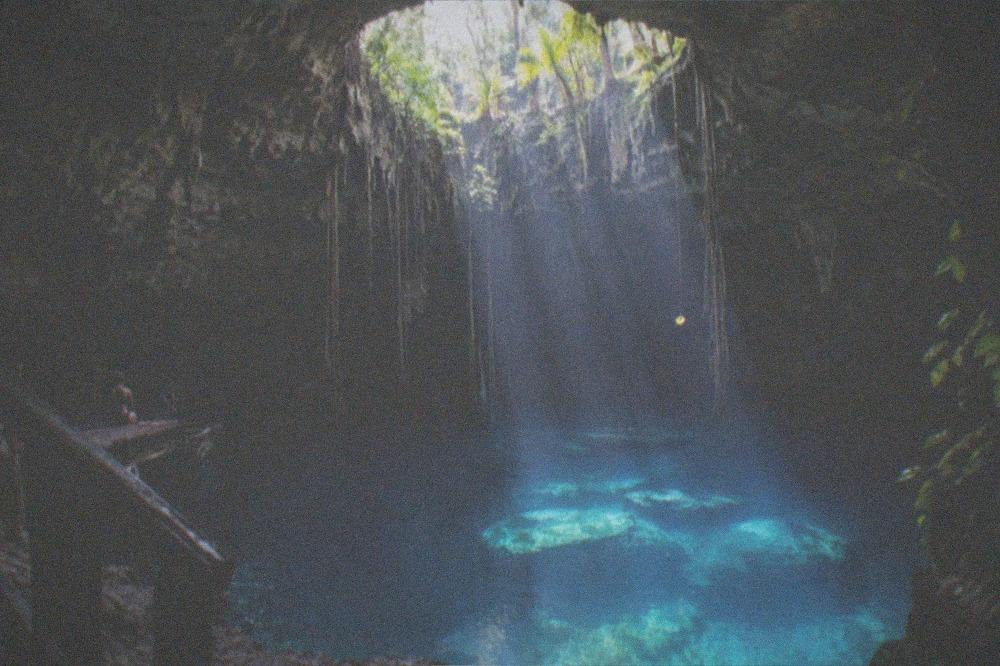
The quiet-value combination is a weekday at opening in May, late September, or early October. Rain matters less than you would think: the wet season runs June to October with afternoon showers, and open cenotes can see short-term visibility dips after heavy rain, while cavern sites like Dos Ojos, roughly 30-100 meters of visibility, stay clear. The best time to visit guide works through the whole seasonal trade-off.
One seasonal point that gets blurred in beach coverage: sargassum affects the ocean shoreline and never the cenotes, which are inland freshwater sinkholes with no ocean connection. A moderate sargassum month that hurts the beach is a non-event for your cenote fees and your visibility. Booking decisions around cenote timing should be made on crowds and rain, not seaweed forecasts.
For deeper site-by-site context on the two biggest names, the Dos Ojos guide covers why that site's fee buys some of the clearest water on the corridor.
Common Questions About Cenote Entrance Fees In Tulum
How Much Does It Cost To Visit A Cenote In Tulum?
Between about 100 MXN at Car Wash and 500 MXN at Gran Cenote per adult, roughly $5 to $30, with Dos Ojos at 350-400 MXN for snorkeling. Fees are set by each site and can change, confirm on arrival. Gear rental, lockers and food are extra.
Do Cenote Entrance Fees Include Snorkel Gear?
Not usually. The gate fee covers access, showers and basic facilities. Snorkel gear is either rented at the site for an additional charge or brought with you. Packaged tours typically include mask, snorkel and fins in the tour price, which is part of why the tour math can beat solo stacking.
Can You Pay Cenote Entrance Fees By Card?
Only at the largest sites. Gran Cenote and Dos Ojos generally process cards; most other cenotes on the corridor, including community-run sites, take Mexican pesos in cash only, often without change for large notes. Carry pesos.
Why Do Some Tours Say Fees Are Extra?
Combo tours often collect government archaeological and conservation fees on-site, roughly $40 per adult on some listings, because those fees go to federal authorities rather than the tour operator. Check whether your listing says fees included or fees on-site before comparing prices.
Are Cenote Entrance Fees Cheaper For Children?
Many sites charge reduced or free entry for young children, but the specific cutoff ages vary by site and are not centrally published. Expect a full adult fee for teenagers at most sites. Confirm the child rate at the gate, and note that life jackets are usually required for children under 12.
Is There One Pass That Covers All Tulum Cenotes?
No. Each cenote is owned and priced independently, mostly by local ejidos, so there is no corridor-wide pass. The only unified ticket in the area is the federal one covering the Tulum archaeological zone and the protected natural area, 265 MXN for foreign visitors and 80 MXN for Mexican nationals.