Can You Visit Cenotes Without A Tour?
Yes, several Tulum cenotes welcome independent visitors with a rental car or bike, but transport, gear, cash-only fees and guided-access rules make tours easier for some formats. Here is the honest breakdown.
Can You Visit Cenotes Without A Tour?
Yes, at many of the popular roadside cenotes you can walk up, pay the entrance fee in cash and swim without any guide or booking, provided you have your own transport, pesos, and rinsed-off reef-safe sunscreen and a lot of flexibility. The honest catch is that a meaningful share of the region's best water, especially cavern dives and some eco-parks, is sold only through operators.
That single distinction drives almost every decision in this article. Some cenotes are set up like public swimming holes with a ticket window and a changing room. Others exist primarily as dive sites or protected areas where an independent arrival would get you a parking lot view and nothing else. The Tulum cenote corridor holds both kinds, often within a few kilometers of each other, so "can I go alone" is really two questions: can you physically get in, and is going alone actually the better day out?
For most travelers staying in Tulum town without a car, the answer tips toward a tour faster than the guidebooks suggest. Collectivos and taxis reach some gates, but the famous cluster on the Coba road and the string along Highway 307 reward having wheels and a plan. Tulum Cenote Tours exists largely because this logistics gap catches so many visitors.
The three products below cover the practical middle ground between a full guided excursion and a rental car: a bike-based cenote trail that still leaves you free to wander, the cheapest standalone snorkel tour on the roster, and a three-cenote half-day with snacks and water included.
Which Cenotes Are Easiest To Visit On Your Own?
Gran Cenote, Calavera, Car Wash and Zacil-Ha are the straightforward DIY picks: they sit close to Tulum, sell tickets at the gate for roughly 100 to 500 MXN depending on the site, and expect independent arrivals. Dos Ojos and Casa Cenote also admit independent swimmers, though both lie farther out and payment is cash-first.
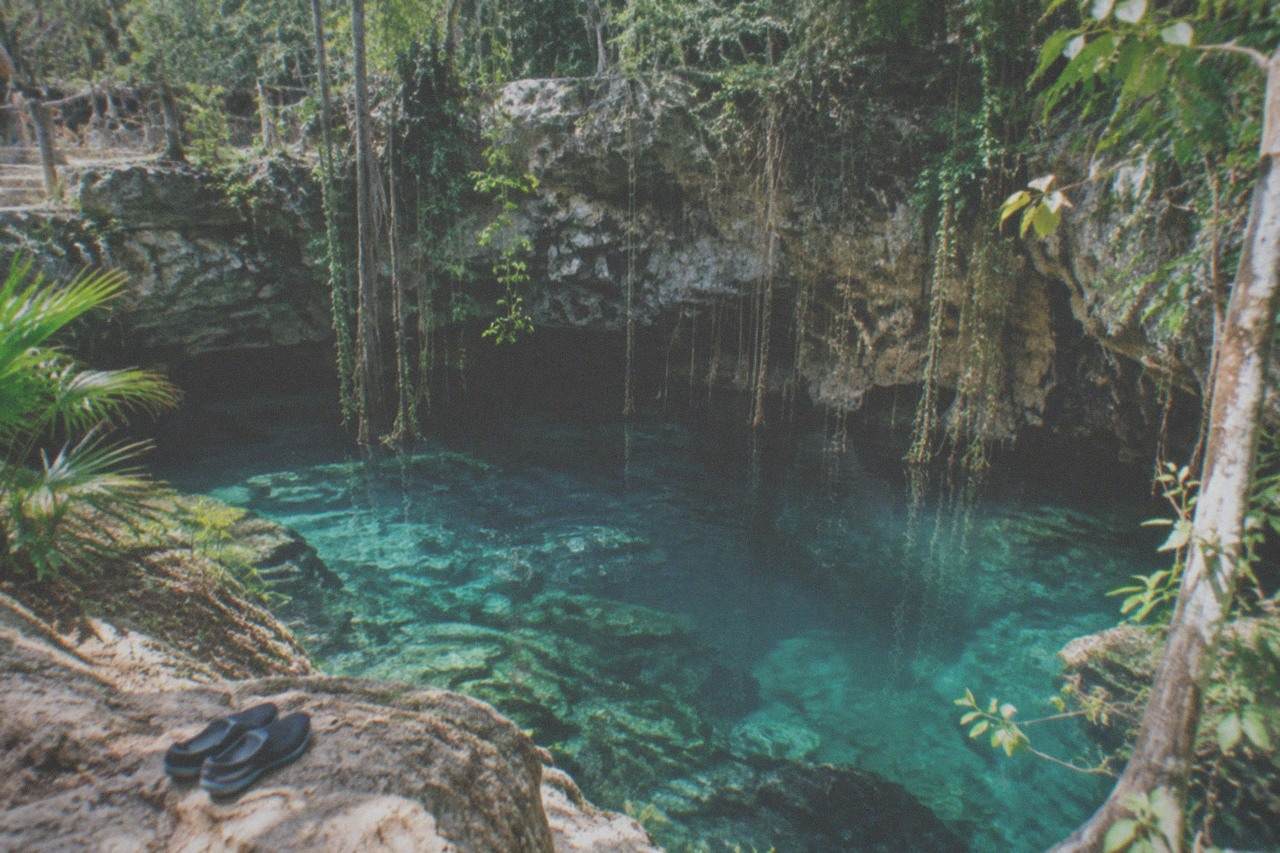
Gran Cenote is the classic first stop for a self-driven day. It sits about 4 km west of Tulum Pueblo on the Coba road, roughly 7 to 10 minutes by car or bike, charges around 500 MXN (roughly $27) per adult, and runs from about 8:00 AM to 4:45 PM with last entry near 4:15 PM. Turtles are commonly seen in its shallow pools. Calavera, 3 km out on the same road, runs around 250 MXN (about $13) and is the jumping-photo cenote, with platforms and a rope swing rather than long swims. Car Wash, or Aktun Ha, is the budget option at roughly 100 MXN (about $5). Zacil-Ha charges around 200 MXN (roughly $11) plus about 200 MXN more if you want the waterslide.
These are current reasonable figures rather than locked prices. Fees are set by the ejido or operator running each site, they can change without notice, and most gates want cash in Mexican pesos. Confirm the number on arrival before assuming anything.
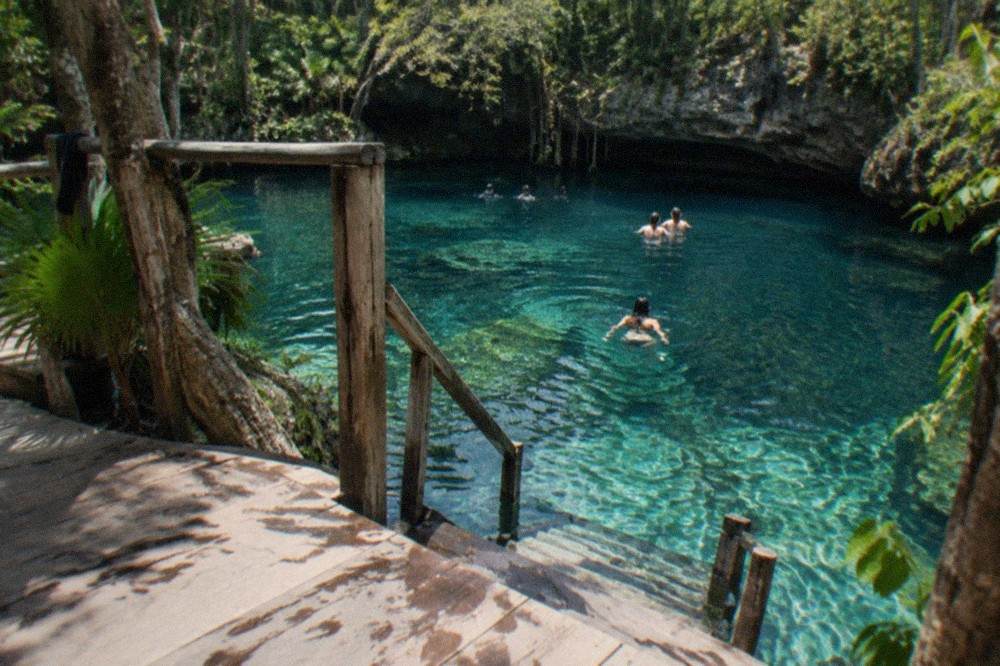
Dos Ojos and Casa Cenote widen the loop north along Highway 307. Dos Ojos sits 20 to 22 km from Tulum, roughly 25 minutes by car, and charges in the region of 350 to 400 MXN (about $19 to $24) for snorkel access. Its cavern dives run considerably higher, around 1,600 MXN, and that side of the site is operator territory. Casa Cenote, about 8 km north, is a mangrove river cenote with brackish water and a different feel entirely: kayaking, fish among the roots, and the occasional crocodile sighting that the mangrove habitat makes possible. Entrance runs about 150 to 200 MXN. A general cenote fee and hours guide collects most of these numbers in one place, and our own cenote entrance fees guide keeps the full MXN-first table.
| Cenote | Distance from Tulum | Rough entrance fee | DIY difficulty |
|---|---|---|---|
| Gran Cenote | ~4 km, Coba road | 500 MXN (~$27) | Easy, cash preferred |
| Calavera | ~3 km, Coba road | 250 MXN (~$13) | Easy, short bike ride |
| Car Wash (Aktun Ha) | ~8 km | 100 MXN (~$5) | Easy |
| Zacil-Ha | ~8 km | 200 MXN (~$11), slide extra | Easy, family facilities |
| Casa Cenote | ~8 km north on 307 | 150-200 MXN (~$8-12) | Moderate, needs transport |
| Dos Ojos | ~20-22 km north on 307 | 350-400 MXN (~$19-24) snorkel | Moderate; dives are operator-only |
How Much Does A DIY Cenote Day Actually Cost?
Counting a rental bike or car, entrance fees at two or three sites, lunch and water, a self-driven cenote day commonly lands between $30 and $80 per person for two people sharing costs. A guided snorkel tour from the roster runs $79 to $150 with transport and gear folded in, so the DIY saving is real but narrower than it first looks.
The arithmetic matters because the headline comparison people make, gate fee versus tour price, is not the real comparison. A solo entrance at Gran Cenote is 500 MXN, roughly $27. But you then need to get there. A taxi round trip from Tulum town to the Coba road cluster adds a meaningful chunk, a day of bike rental is cheaper but slower and sweatier, and a rental car only makes sense across a full day or a multi-day stay. Meanwhile the Magical Cenote and Paradise Lagoon Snorkeling Adventure, the roster's cheapest standalone snorkel product, starts at $79 with hotel pickup from Cancun and the Riviera Maya, rated 4.9 across 886 reviews. The Cenote Triple Adventure Tour runs from $129.88, 4 hours, three cenotes, snacks and water included, with lunch a paid $15 add-on, rated a perfect 5.0 from 467 reviews.
Solo transport also eats time. Colectivos run Highway 307 frequently and cheaply, but they serve the highway, not the gates, and several cenotes sit down side roads. Park wrong and you walk. A good planning reference for the per-site budget, gate by gate, is our what a cenote visit costs in Tulum breakdown; the fuller fee context is in the cenotes near Tulum guide maintained by regional travel writers.
When Does A Tour Beat Going Independently?
Diving formats are the hard line: cavern and cave dives in the Sac Actun system are sold through dive operators only, and no gate ticket gets you into the water with tanks. Beyond diving, tours win on any day involving kids, cruise-ship timing, no Spanish, or the ruins, where a licensed guide turns walls into context.
Start with the dives, because there is no ambiguity there. The cavern lines at Dos Ojos, including the deeper sites nearby, require a certified guide with full cave training and a recreational diver staying inside the natural light zone. The roster's diving products, from $179 for the beginner Discover Scuba format up to $230 for the advanced Pit plus Dos Ojos combination, bundle the access, the gear and the guide into one package price. There is no standalone gate fee a recreational diver could pay instead; the guided cavern structure is the product. If you are certified and curious, the cavern versus cave certification progression explains exactly where the recreational boundary sits.
Then there is the ruins-plus-cenote day. The Tulum archaeological zone charges 265 MXN (roughly $14) for foreign visitors and 80 MXN for Mexican nationals under the July 2026 unified ticket, per the official Plan Tulum Renace announcement, and visiting it with no context is a hot walk past stones. A licensed guide changes that, which is exactly why combos such as the Tulum Ruins and Cenote Guided Tour from Cancun, from $89, 8 to 9 hours, 4.6 across 2,606 reviews, include one. Families tilt the same way. The bike tour and the snorkel tours carry snorkel gear, water and someone who knows which gate is quiet at which hour, which is worth real money when a toddler is involved.
The Magical Cenote and Paradise Lagoon Snorkeling Adventure below is the clearest price anchor for what a light-touch tour adds over DIY: from $79, 3.5 hours, 4.9 across 886 reviews, pickup included.
How Do You Get To Cenotes Without A Car?
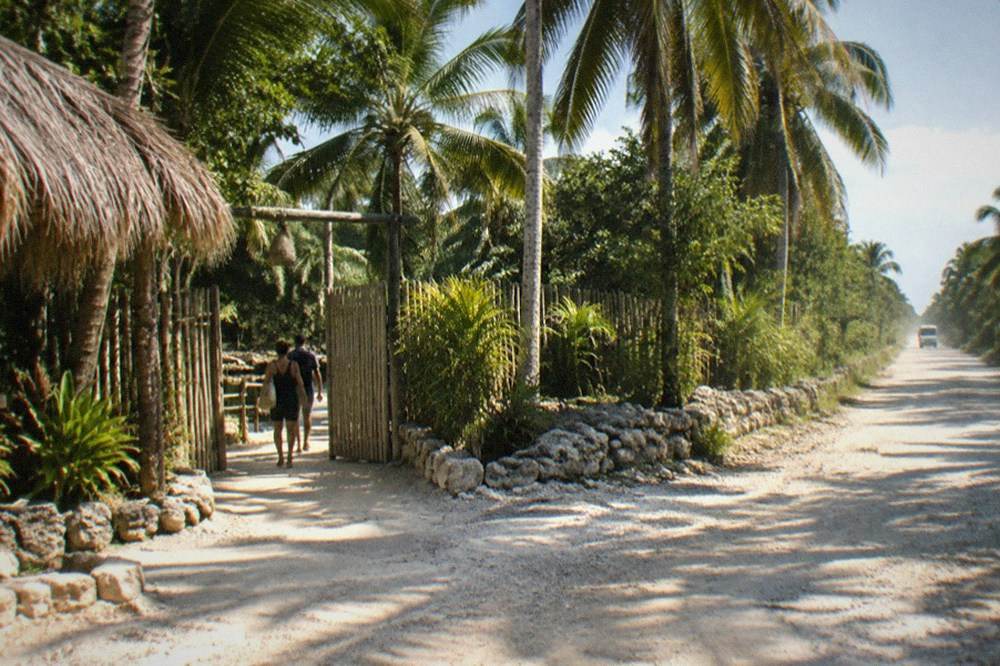
Bicycle is the workhorse answer for the Coba road cluster, with Gran Cenote, Calavera and Car Wash all rideable from Tulum town in 10 to 15 minutes. For the Highway 307 sites, Dos Ojos and Casa Cenote, a colectivo plus a short walk or taxi covers it, and full-day car rental makes sense if you are linking three or more sites.
The bike option deserves more credit than it usually gets. The Coba road is flat, the distances are short, and urban bikes with helmets are the standard rental in town. Roughly 4 km separates Tulum Pueblo from Gran Cenote, a distance a travel-time reference puts at under 10 minutes by car or around an hour on foot, which shows exactly why biking beats walking and loses only slightly to driving. The catch is the midday heat and the fact that you are cycling between swims rather than resting in an air-conditioned van. Sunscreen complicates this: applying it before the ride and then rinsing off before the swim is the required sequence, and it is awkward.
Colectivos work well along 307. They run frequently, cost a few pesos, and drop you at junctions. Casa Cenote and Dos Ojos both require a walk or short taxi from the main road. This is the pattern where a bike tour with a guide is genuinely simpler, because it removes the route-finding while keeping the independent feel. A taxi day for two across three sites usually ends up costing close to a mid-range tour anyway once tips and waiting time stack up.
What Rules Apply No Matter How You Arrive?
The rules bind everyone equally: biodegradable or reef-safe mineral sunscreen only, with some sites banning even that; a mandatory rinse before entering; no food, alcohol or glass at the water; and life jackets required or strongly recommended for children under 12 at most major sites. Going solo does not exempt you from any of it.
The sunscreen policy is the one that actually stops people. Every cenote in Quintana Roo enforces a biodegradable, mineral-filter-only policy, conventional products can mean refused entry or a fine of up to 1,200 MXN (roughly $65), and some open sites prohibit all sunscreen along with repellent, makeup and lotions. Small approved tubes sell at or near entrances for roughly 150 to 350 MXN if you arrive with the wrong kind. The rinse stations are not decorative either: showering off every skin product is a universal, enforced rule protecting the closed freshwater ecosystem.
Life vests are commonly provided free at the major sites for children under 12 and non-swimmers, or rentable for a small fee where they are not included. A camera fee of roughly 100 to 300 MXN applies at some sites for professional gear or a GoPro, cash only, and drones are prohibited or heavily restricted both at cenotes and at the Tulum archaeological zone under standard INAH rules. Check each site's posted policy on arrival rather than assuming a uniform rule. One more planning note that belongs to trip budgeting rather than any gate: the Quintana Roo Visitax, about 283 MXN per foreign visitor, is an airport-collected state tax, not a cenote fee.
Opening hours matter as much as the rules. Most sites open around 8 or 9 AM and stop admitting by mid-to-late afternoon, which is the whole subject of why cenotes close at 5. A DIY plan that treats cenotes like a flexible evening activity fails on this point alone.
Is Renting A Bike The Best Middle Ground?
For the Coba road cluster, yes: a bike with a helmet keeps the day self-directed while cutting the navigation and taxi costs, and a guided bike tour splits the difference by adding route knowledge and site sequencing without walling you into a bus. The Tulum: Cenote Trail Bike Tour, from $119, 4.9 across 143 reviews, is the roster's clearest example.
The tour meets at Av. Tulum 88 in the town center, provides urban bikes and helmets, and rides to two or three cenotes depending on the option chosen. The sites themselves are unnamed on the listing, which is honest: the route flexes with conditions and crowds. What you are really buying is the sequence, someone who knows which gate is empty at which hour, mechanical backup, and the social fact that you are not working out the route alone. Since the roster does not pin this tour to specific named cenotes, treat the stops as a category-level pairing: bike tours in this format typically include accessible sites along Tulum's cenote trails, and the live listing carries the current route.
The honest comparison is this: a pure DIY bike day costs a rental fee plus gate fees and gives you total freedom to swim or skip. The guided version costs from $119 and removes the planning while keeping the pace. If your instinct is "I want to go alone but I do not want to work for it," that instinct is exactly what this product serves. You can read the specifics on the Cenote Trail Bike Tour page before deciding, or Check availability if the date is already in mind.
So Should You Book Or Go Alone?
Go alone if you have a car, cash in pesos, a shortlist of two or three accessible cenotes, and no diving ambitions. Book if you are diving, traveling with kids, arriving from Cancun or Playa del Carmen, or simply want the water without the logistics. The strongest overall move for a first visit is a light tour on day one and a DIY afternoon once you know the pattern.
That sequencing advice is the most useful thing this article can leave you with. A tour teaches the local rhythm in four hours: how the gates work, what the rinse stations expect, how much swimming time a stop really allows. Once you have seen it done, going alone to Gran Cenote or Car Wash is genuinely easy, and the fee table above is all you need. Divers should skip the deliberation entirely; the certification structure makes the operator relationship non-negotiable by design, and that structure is a safety feature, not an upsell.
If the answer for your trip is a light-touch tour, these three cover the range: the bike trail, the budget lagoon snorkel, and the three-cenote half-day.
Common Questions About Visiting Cenotes Without A Tour
Can You Visit Cenotes Without A Tour?
Yes. Gran Cenote, Calavera, Car Wash, Zacil-Ha, Casa Cenote and Dos Ojos all sell entrance tickets at the gate, typically 100 to 500 MXN in cash, to independent visitors with their own transport. Diving-format access is the exception: cavern and cave dives are sold only through operators with certified guides.
Why Do Cenotes Close At 5?
Cenotes close in the late afternoon, typically by 4:45 or 5:00 PM with last entry earlier, because the sites need time for visitor clearing, cleaning and staff safety in a closed ecosystem, and because light in the cavern areas fades quickly. Arriving at opening is the better strategy than pushing the closing window.
How Much Does It Cost To Visit A Cenote In Tulum?
Entrance fees run roughly 100 MXN at Car Wash up to 500 MXN at Gran Cenote, with most sites between 200 and 400 MXN, cash preferred. Add transport, and a two-site DIY day commonly totals $30 to $80 per person for two people sharing costs. Fees are set by each site and can change, so confirm on arrival.
Do I Need A Guide To Dive In A Cenote?
Yes, always. Recreational cavern diving requires a minimum Open Water certification plus a fully certified cavern guide who stays within the natural light zone, and guides operating under the 2026 CREER framework must hold Full Cave certification among other requirements. Deeper sites like The Pit require Advanced Open Water. There is no independent diving access at these sites.
Can You Visit Cenotes Without A Car?
Yes, with planning. The Coba road cluster, including Gran Cenote and Calavera, is reachable by bike or taxi in 10 to 15 minutes from Tulum town. The Highway 307 sites such as Dos Ojos and Casa Cenote work by colectivo plus a short taxi or walk. A guided tour removes all of this and is usually worth it if you are linking three or more sites.