Dos Ojos Cenote: Snorkeling And Diving Guide
Dos Ojos is one of the most product-heavy cenotes on the Tulum corridor, with a snorkel gate fee of 350-400 MXN and guided cavern dives that run far higher. This guide separates what snorkelers get, what divers need, and which tours actually go there.
Short answer
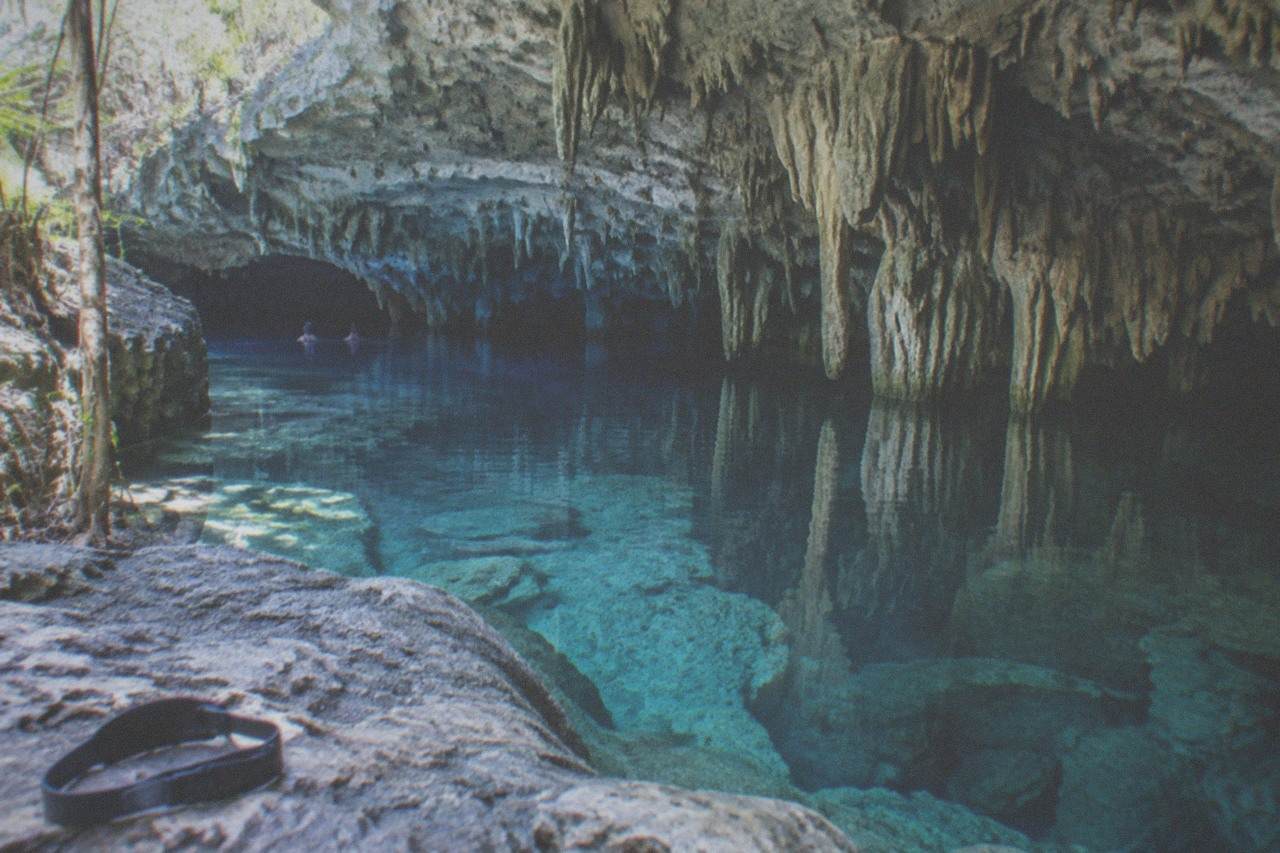
Dos Ojos sits about 20-22 km north of Tulum on Highway 307, roughly 25 minutes by car. Snorkel entry costs 350-400 MXN per person (about $19-24), while guided cavern dives run around 1,600 MXN. Visibility often exceeds 30 m, and the site is part of the Sac Actun system, one of the longest mapped underwater cave networks in the world.
What Is Dos Ojos Cenote?
Dos Ojos is a cavern-type cenote about 20-22 km north of Tulum on Highway 307, roughly 25 minutes by car, and part of the Sac Actun system, one of the longest mapped underwater cave networks on Earth. The name means "two eyes," referring to the two adjacent circular openings connected by a cavern zone. Snorkelers swim the lit cavern areas; certified divers follow permanent guidelines through the same system.
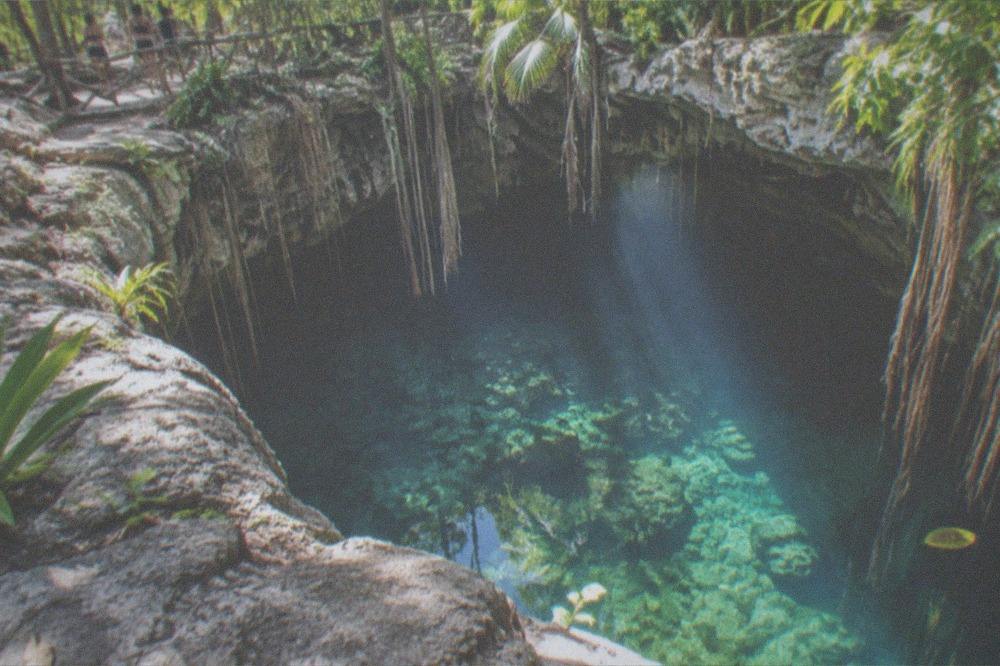
The two openings sit close together in the jungle, connected underground by a large cavern that stays bathed in daylight for most of its length. That geometry is what makes Dos Ojos unusual: it is a genuine cave system that a non-diving visitor can still experience meaningfully. Snorkelers glide over stalactite columns with a clear view down to depths around 10 m, while divers follow the same passages from below.
The site anchors more bookable products on this roster than any other single cenote. Snorkel tours, certified two-dive packages, and advanced two-cenote combinations all route through here, and one small operator names Dos Ojos and Casa Cenote explicitly in its listing. That density of options is the reason this guide treats snorkeling and diving side by side rather than picking one.
For context on how this site fits the wider corridor, the gran cenote guide for Tulum covers the other heavyweight on the Coba road, and the broader cenotes near Tulum overview maps the full spread of sites within a short drive of town.
How Much Does It Cost To Enter Dos Ojos?
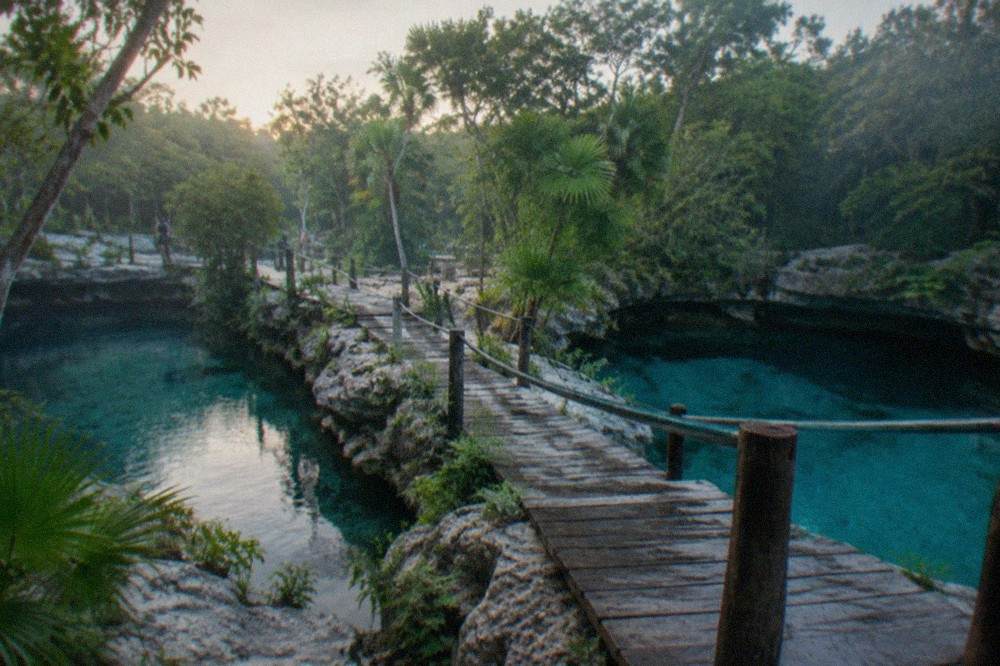
Snorkel or swim entry runs 350-400 MXN per person (roughly $19-24), while a guided cavern dive is a different product entirely, around 1,600 MXN through a dive operator. These are secondary-sourced figures that can shift with season and operator, so confirm on arrival. Card readers are reported reliable at major sites like Dos Ojos, but carrying cash in pesos is the safer plan.
The fee split matters more here than at most cenotes because the two price tiers buy genuinely different experiences. The snorkel fee gets you into the water with a mask, in the daylight zone, swimming between the two eyes and along the cavern walls. The cavern-dive price buys a certified guide, tanks, weights, wetsuit, and lights, plus the guideline that recreational cavern diving requires.
| Experience | Typical fee | Approx USD | What it covers |
|---|---|---|---|
| Snorkel or swim entry | 350-400 MXN | $19-24 | Water access in the daylight zone |
| Guided cavern dive | ~1,600 MXN | ~$87 | Guide, tanks, weights, wetsuit, lights |
Fees are set by the site operator and can change, so treat these as current reasonable figures rather than fixed prices. Lockers at larger sites like Dos Ojos run around 50 MXN, and smaller community-run cenotes nearby often have none at all.
Booked tours change this arithmetic. A snorkel-focused product like the Discovering Breathtaking Cenotes tour in Tulum prices at $149 for 4.5 hours and bundles transport and gear into one payment, while the dive packages below fold site access into the operator's package price rather than a standalone gate fee. For most visitors the question is not whether to pay the gate, it is which packaged product fits.
What Is Snorkeling At Dos Ojos Actually Like?
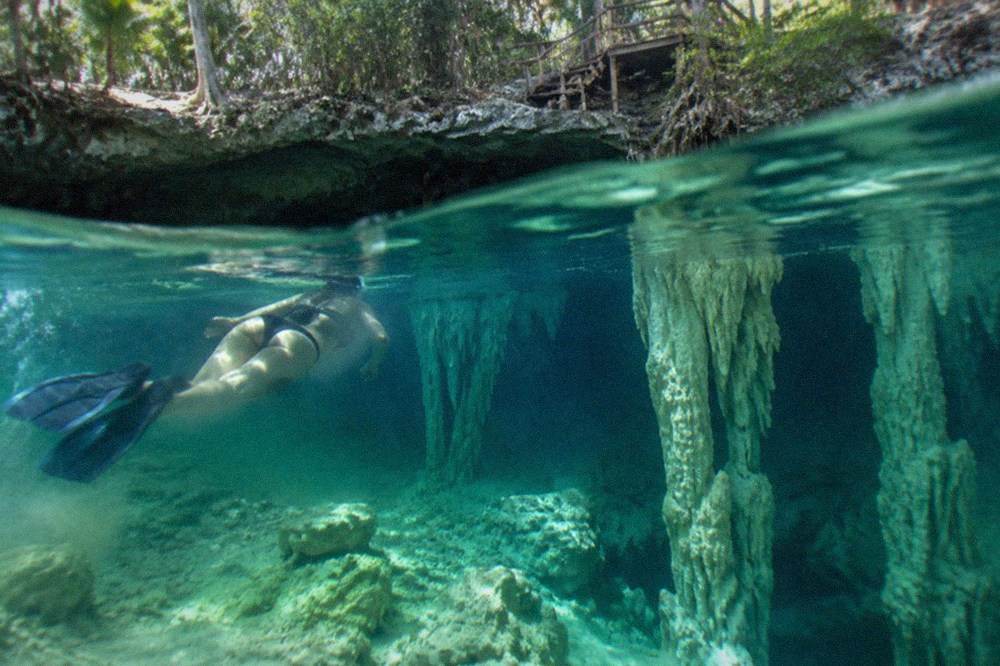
Snorkelers swim a connected cavern route between the two openings in water with visibility that often exceeds 30 m, over formations that continue down to a maximum depth of roughly 10 m. The water stays 24-27 degrees C year-round regardless of season. Life jackets are common requirements, and the experience is family-friendly but genuinely cavernous, not an open pond.
This is not a swimming hole with a roof. The cavern passages between the two eyes are wide, lit, and dramatic, with stalactites descending toward water so clear that snorkelers regularly report the sensation of floating in air. Turtles and small cave-adapted fish appear in the open sections. Because the route stays in daylight, no diving certification is needed, and the depth under the snorkel path stays shallow enough that the formations read almost like a museum exhibit below you.
The honest caveat is crowding. Dos Ojos is one of the best-known cenotes in the region, and midday, roughly 10 AM to 2 PM, is when tour buses arrive and waits can stretch past 20 minutes. Arriving at opening, around 8 AM, is the single biggest quality-of-experience upgrade available, and it costs nothing. Conditions improve again after about 2:30 PM at some sites.
The one snorkel product on this roster that names Dos Ojos in its listing is Discovering Breathtaking Cenotes in Tulum, from $149 for 4.5 hours, rated 5.0 from 7 reviews. That review pool is small, from a small operator, so read it as a real but modest signal rather than a mass verdict. It is the only listing in the snorkel category that names its cenote stops, Dos Ojos and Casa Cenote, which matters when your heart is set on one specific site. Every other snorkel tour in the category visits unnamed cenotes, so check the specific listing before booking if Dos Ojos is the goal.
What Does Diving Dos Ojos Require?
Guided cavern diving at Dos Ojos requires Open Water certification or equivalent, because the routes stay in the natural light zone on permanent guidelines. Full cave certification is only needed beyond the cavern zone. Maximum depth on the standard cavern routes is around 10-12 m, visibility often runs 30-100 m, and guides must hold full cave certification plus local credentials.
The distinction between cavern and cave diving is the whole safety framework here. Cavern diving means staying within daylight, following a continuous guideline, within defined limits of the surface. Cave diving means leaving that light zone entirely, and no tourist product on this roster sells it; full cave tours are technical and exploratory, not recreational packages. For a fuller breakdown of the progression, the cavern versus cave certification ladder lays out each rung.
The roster's direct Dos Ojos dive product is Go for 2 Dives in Cenote Dos Ojos for Certified Divers, from $190, rated 5.0 from 90 reviews, a 4-hour trip meeting at Calle Sagitario Pte. 872 in Tulum Centro and supplied by La Calypso Dive Center with a maximum of 4 travelers. It is certified-divers-only and includes no lunch. A near-identical alternative, Tulum: Dos Ojos Cenote 2 Scuba Dives, runs from $199, rated 5.0 from 6 reviews, also meeting at La Calypso; its listing notes 15 steps down to the water carrying tanks, worth knowing if mobility is a concern.
One step up, Tulum: Scuba in 2 Cenotes Including a Deep One pairs The Pit with Dos Ojos from $230, the roster's highest diving price, rated 4.9 from 8 reviews. It is restricted to advanced or Level 2 divers because The Pit descends past 30 m, and it includes roundtrip transport, gear, and a cave-certified instructor. If you are certified but have never dived a cenote, the question of whether the format is worth the money is covered in detail in is diving in cenotes worth it, and the risk profile is examined in is it safe to dive in a cenote.
Snorkel Or Dive: Which Should You Book At Dos Ojos?
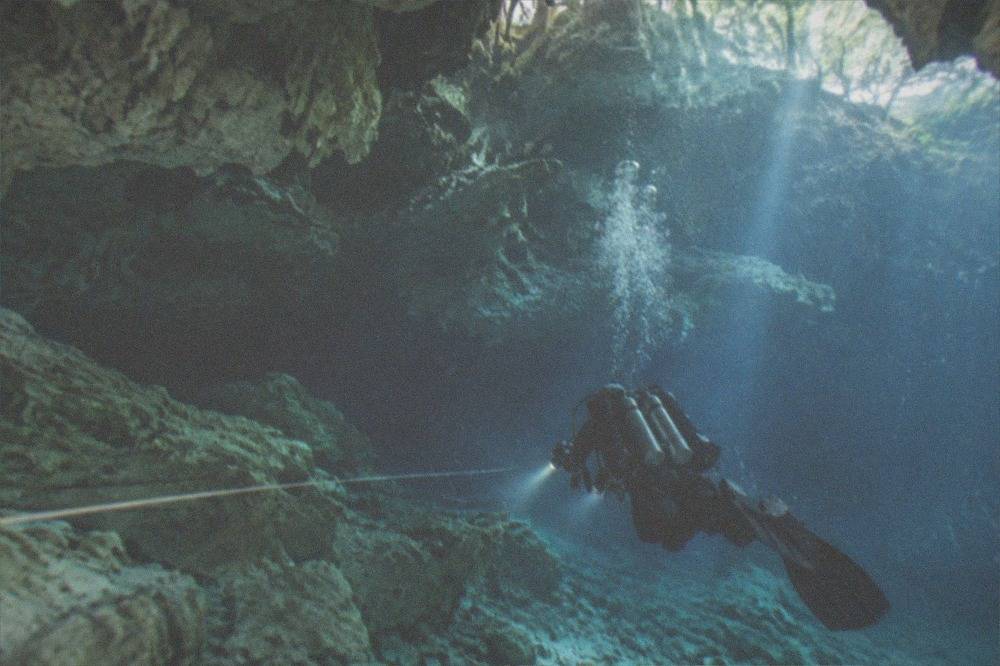
Book the snorkel experience if you are not certified or are traveling with family; it delivers the cavern visuals for 350-400 MXN at the gate or from $79-149 as a tour. Book a dive package, from $190, only if you hold Open Water certification, because the underwater perspective on the formations and the halocline is the site's signature. Non-certified visitors curious about scuba have one beginner option on the roster.
The deciding factors are certification, budget, and what you want from the water. Snorkelers see the cavern from above, which is genuinely spectacular and does not require training. Divers see it from inside, following the Barbie line or the Bat Cave line through passages that snorkelers never reach, with visibility that regularly runs 30-100 m. Neither is a lesser version of the other; they are different products sharing one entrance.
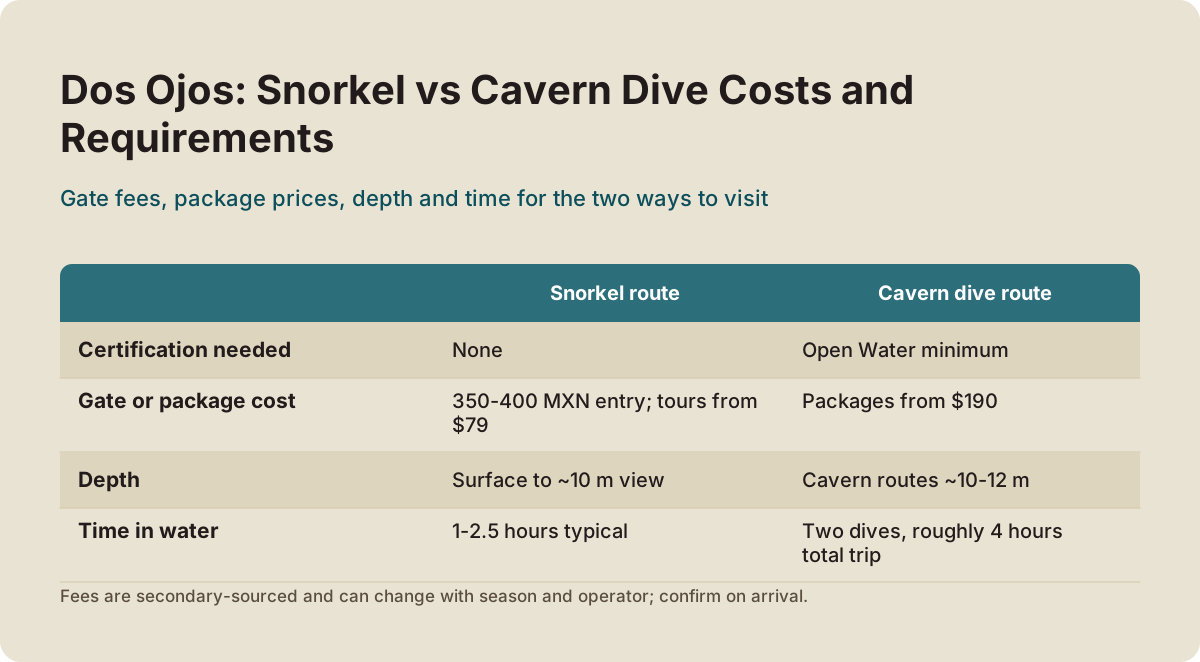
| Factor | Snorkel route | Cavern dive route |
|---|---|---|
| Certification needed | None | Open Water minimum |
| Gate or package cost | 350-400 MXN entry; tours from $79 | Packages from $190 |
| Depth | Surface to ~10 m view | Cavern routes ~10-12 m |
| Time in water | 1-2.5 hours typical | Two dives, roughly 4 hours total trip |
| Who it suits | Families, first-timers, mixed groups | Certified divers, photography-focused visitors |
For uncertified visitors who want to breathe underwater anyway, Tulum: Discover Scuba Diving in Cenotes is the roster's beginner product, from $179, rated 5.0 from 12 reviews, meeting at Agua Clara Diving Tulum in front of Hotel Zamas. No certification is required. It is a discover-scuba format rather than a Dos Ojos-specific itinerary, so treat it as the on-ramp to cenote diving generally, not a guaranteed Dos Ojos dive, and check the listing for its current sites.
The wider dive landscape around Tulum, including operator norms and what packages typically bundle, is mapped in the cenote diving guide for Tulum, and current pricing context for guided cavern tours appears in this complete cenote diving reference.
Which Tours Actually Visit Dos Ojos?
Only one snorkel listing on this roster names Dos Ojos explicitly: Discovering Breathtaking Cenotes in Tulum, which lists Dos Ojos and Casa Cenote as its stops. Three dive products dive it: the $190 La Calypso two-dive package, its $199 sibling listing, and the $230 Pit plus Dos Ojos combination for advanced divers. Every other tour pairing you read elsewhere is a category-level pattern, not a confirmed itinerary.
That last point deserves emphasis because it is where booking mistakes happen. Tour marketing often shows Dos Ojos photos on products that visit other cenotes entirely. Unless a listing names its stops, the honest assumption is that a multi-cenote tour in this category typically includes a stop like this one, and the specific site depends on the operator's day plan. Check the live listing before paying if the destination matters to you.
| Tour | Format | Price from | Rating and reviews | Names Dos Ojos? |
|---|---|---|---|---|
| Discovering Breathtaking Cenotes in Tulum | Snorkel, 4.5 h | $149 | 5.0 from 7 reviews | Yes, plus Casa Cenote |
| Go for 2 Dives in Cenote Dos Ojos | Certified dive, 4 h | $190 | 5.0 from 90 reviews | Yes |
| Tulum: Dos Ojos Cenote 2 Scuba Dives | Certified dive | $199 | 5.0 from 6 reviews | Yes |
| Tulum: Scuba in 2 Cenotes (Pit + Dos Ojos) | Advanced dive | $230 | 4.9 from 8 reviews | Yes |
The dive packages bundle any site access into the operator's price, which is why no standalone Sac Actun gate fee appears anywhere in this guide: a verified figure for separate Sac Actun access could not be located, and every product that touches the system sells it as part of a package. The Dos Ojos site reference carries further detail on the lines and layout for divers planning routes.
How Do You Get To Dos Ojos And What Are The Rules?
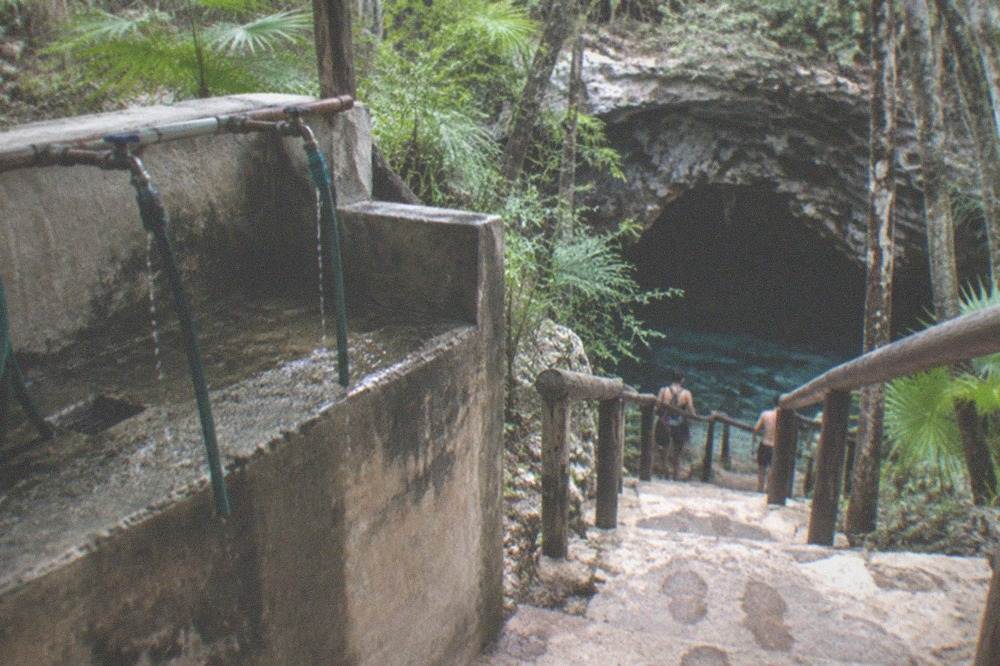
Dos Ojos is 20-22 km north of Tulum on Highway 307, about 25 minutes by car or taxi, with parking on site. Hours run roughly 8 AM to 5 PM, with last entry often earlier, around 3 PM in some reports. Biodegradable sunscreen only, a mandatory pre-entry rinse at the shower station, and fines up to 1,200 MXN for non-compliant products; some sites go further and ban all sunscreen.
The drive north from Tulum town is straight down Highway 307, and colectivos and taxis both cover the route. Tours that depart Tulum, like the La Calypso dive packages meeting in Tulum Centro, fold transport into the trip. If you are visiting independently, morning is the time to arrive, both for the quiet water and because last-entry cutoffs bite earlier than the closing time suggests.
The rules are not decorative. Every cenote in Quintana Roo enforces a biodegradable or reef-safe, mineral-filter sunscreen policy, and a rinse-off shower before entering the water is universal. Conventional chemical sunscreen can mean refused entry and fines up to 1,200 MXN, and some sites prohibit all sunscreen, even biodegradable versions, along with repellent, makeup, and lotions. Apply nothing before swimming; apply everything after you are done in the water for the day. Water shoes with a heel strap help on the limestone, though bare feet are often required in the water itself.
Cash in pesos remains the reliable payment method, with card readers dependable mainly at major sites like Dos Ojos and less so at smaller neighbors. Lockers around 50 MXN exist at the larger sites. For a fuller packing rundown, the what to bring on a cenote tour guide lists the kit that matters.
When Is The Best Time To Visit Dos Ojos?
Any month works, because cenote water holds at 24-27 degrees C year-round regardless of surface weather, and visibility stays excellent on the freshwater aquifer. The quietest windows are weekday mornings at opening, and May, late September, and early October are the lower-crowd sweet spots. December through March and peak summer bring the highest visitor numbers.
Two seasonal notes sharpen the picture. Heavy rain can cause short-term visibility dips at open-air cenotes, sometimes down to 20-28 m, from surface runoff, but closed and cavern sites like Dos Ojos are largely unaffected, which is one of the structural advantages of this site over open ponds. And sargassum, the seaweed that affects Tulum's ocean beaches, never reaches cenotes at all: these are inland freshwater sinkholes with no ocean connection, so a bad sargassum month is precisely when Dos Ojos becomes the better plan, not a worse one.
For photographers, the dry season from roughly November to April offers the best light effects in the cavern openings, with the midday sunbeams through the two eyes at their most dramatic. The trade-off is crowds, since that window overlaps peak season. A weekday at opening in the shoulder months threads the needle: soft light, thin crowds, stable water.
The seasonal calculus across the whole corridor, including crowd patterns and photography trade-offs, is laid out in the best time to visit Tulum cenotes guide, and climate averages for the region appear in this Tulum climate reference.
How Does Dos Ojos Compare To Other Tulum Cenotes?
Dos Ojos is the corridor's diving flagship: deepest product coverage, cavern-scale visibility, and a genuine cave-system feel, 25 minutes north of town. Gran Cenote, 4 km west on the Coba road, is the family and snorkeling heavyweight with resident turtles at a 500 MXN gate. Casa Cenote offers a mangrove river experience, and Calavera is the jump-and-photo site.
Choosing between them is mostly choosing a water personality. Dos Ojos rewards visitors who want the cavern drama and divers who want the guideline routes. Gran Cenote is easier logistically, closer to town, and better for small children, with shallow pools and accessible cave sections. Casa Cenote is brackish mangrove water, kayaking, and fish among the roots, with an occasional crocodile sighting noted in that specific habitat, something the closed freshwater sinkholes do not have. Calavera, at roughly 250-300 MXN, is the adventure-photo stop with jumps and a rope swing.
| Cenote | Distance from Tulum | Entry fee | Best for |
|---|---|---|---|
| Dos Ojos | ~20-22 km north | 350-400 MXN | Diving, cavern snorkeling |
| Gran Cenote | ~4 km on Coba road | 500 MXN | Families, turtles, snorkeling |
| Calavera | ~3 km on Coba road | 250-300 MXN | Jumping, adventure photos |
| Casa Cenote | ~8 km north | 150-200 MXN | Kayaking, mangrove snorkeling |
| Car Wash / Aktun Ha | ~8 km | ~100 MXN | Budget, relaxed swimming |
All individual cenote fees above are secondary-sourced current figures that can change, so confirm on arrival. If the decision is less about which cenote and more about which format, the cenote snorkeling guide for Tulum covers the snorkel side of the corridor in depth, and this site, Tulum Cenote Tours, exists to make exactly these pairings easier to reason about.
The practical bottom line: if you are certified to dive or want to be, Dos Ojos is the anchor site and the dive packages above are the direct route in. If you are snorkeling with family, Gran Cenote's accessibility may win. If you want the cavern experience without certification, Dos Ojos snorkeling is the strongest version of that on the corridor, and the one listing that guarantees the stop is the Discovering Breathtaking Cenotes tour.
Common Questions About Dos Ojos Cenote
How Much Does It Cost To Visit A Cenote In Tulum?
Individual entrance fees run from about 100 MXN at Car Wash to 500 MXN at Gran Cenote, with Dos Ojos at 350-400 MXN for snorkeling and guided cavern dives around 1,600 MXN. Booked tours bundle entry, transport, and gear into prices from $27 to $230 across the Tulum corridor, depending on format and inclusions.
Is It Safe To Dive In A Cenote?
Guided cavern diving, staying in the natural light zone on a permanent guideline with a certified guide, is described as low-risk when rules are followed. It requires Open Water certification minimum, and guides must hold full cave certification plus local credentials. Publicly reported incidents near Tulum have primarily involved uncertified divers or those entering cave zones without training.
Is Diving In Cenotes Worth It?
For certified divers, the visibility, often 30-100 m, and the submerged formations make it a genuinely distinct experience from ocean diving. Packages run from $179 for a beginner discover-scuba format to $230 for the advanced Pit plus Dos Ojos combination. Whether it is worth it depends on your certification level and interest in the freshwater cavern environment specifically.
Can You Snorkel At Dos Ojos Without Diving?
Yes. Snorkel entry costs 350-400 MXN and covers the daylight cavern zone between the two openings, with visibility often exceeding 30 m and depths of roughly 10 m below you. No certification is needed, life jackets are commonly required, and the route is family-friendly.
How Far Is Dos Ojos From Tulum?
Roughly 20-22 km north of Tulum on Highway 307, about 25 minutes by car or taxi. Tours departing Tulum, including the dive packages meeting in Tulum Centro, fold transport into the trip. Arriving at the 8 AM opening avoids the midday tour-bus crowds.
Do You Need Biodegradable Sunscreen At Dos Ojos?
Yes, and a rinse-off shower before entering is mandatory. Conventional chemical sunscreen can mean refused entry and fines up to 1,200 MXN. Some sites go further and ban all sunscreen, even biodegradable versions, so apply nothing before swimming and only use products after you finish in the water.