Gran Cenote Tulum: What To Know Before You Go
Gran Cenote sits about four kilometers west of Tulum Pueblo on the Coba road, charges 500 MXN to get in, and opens at 8 in the morning. Here is what the verified figures say, and what nobody tells you until you are standing at the gate.
Short answer
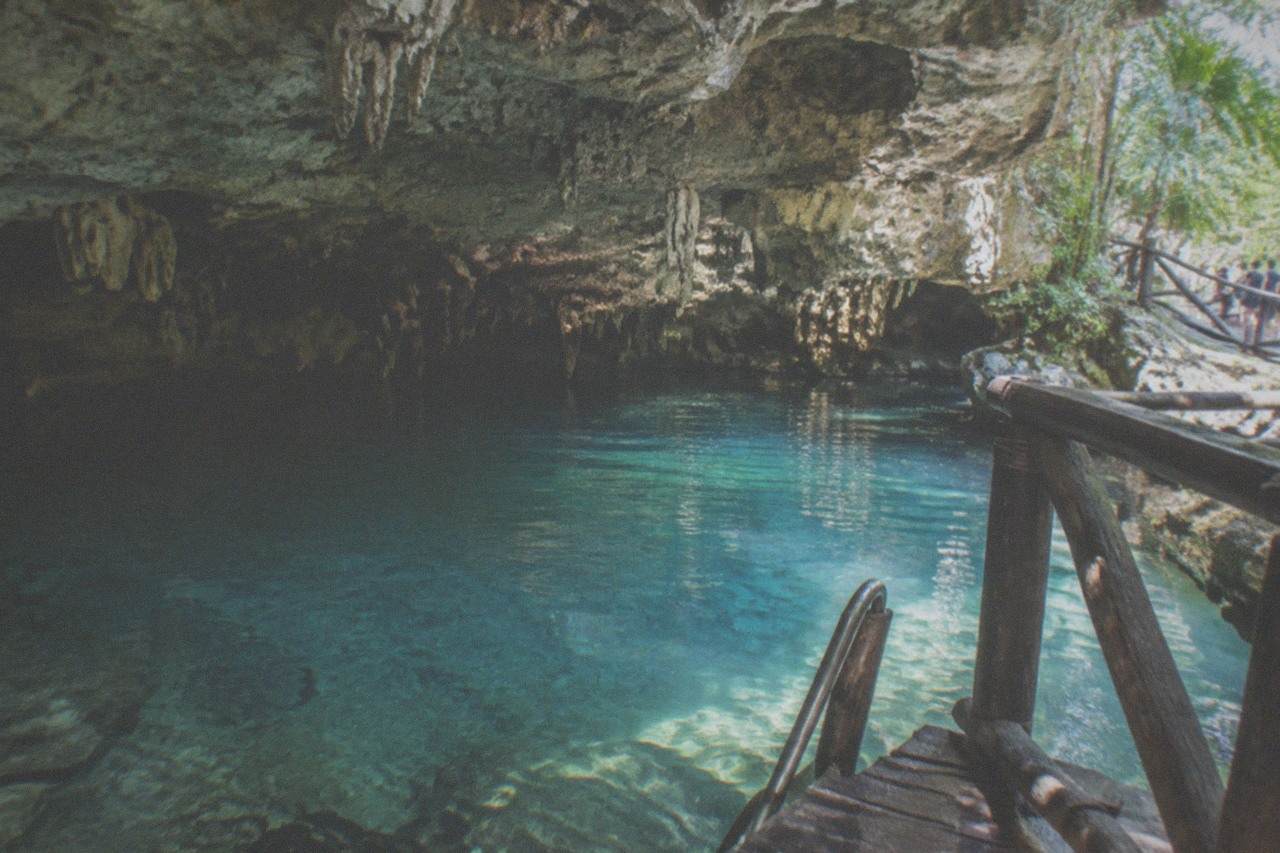
Gran Cenote is a semi-open cenote with cave sections about 4 km from Tulum Pueblo on the Coba road, a 7 to 10 minute drive. Entry is 500 MXN per adult, roughly $27 to $30. It opens daily from 8:00 AM to 4:45 PM with last entry around 4:15 PM, and it suits snorkeling and families best.
Gran Cenote is the busiest sinkhole on the Tulum corridor, and it earned that status honestly. The site is a semi-open cenote, meaning part of the water sits in daylight under a limestone ledge and part runs back into a cave system, all of it fed by the freshwater aquifer that makes this stretch of the Yucatan famous. Turtles are a regular sight. The water is clear enough that snorkelers can follow the underwater formations without effort.
The entrance fee is 500 MXN per adult, roughly $27 to $30, and the site opens daily from about 8:00 AM to 4:45 PM with last entry around 4:15 PM. Those are the two numbers most visitors get wrong: people arrive expecting a cheaper community-run site, and people arrive at 3:30 PM expecting an hour in the water. Both leave disappointed, and neither had to.
One honest caveat before anything else: no tour on this site's roster names Gran Cenote in its published itinerary. Tours in the snorkel category visit cenotes in this corridor, and stops like Gran Cenote are typical of the format, but you should read the specific listing before assuming any particular product stops here. This guide covers the cenote as an independent visit, then points you to the guided options that cover comparable ground.
What Is Gran Cenote And Why Is It So Popular?
Gran Cenote is a semi-open freshwater sinkhole with cave sections, part of the Sac Actun system, one of the longest mapped underwater cave networks in the world. It sits on the Coba road about 4 km west of Tulum Pueblo. Its mix of open swimming areas, shallow pools, swim-throughs and stalactites makes it one of the few sites that genuinely works for both casual swimmers and snorkelers in one visit.
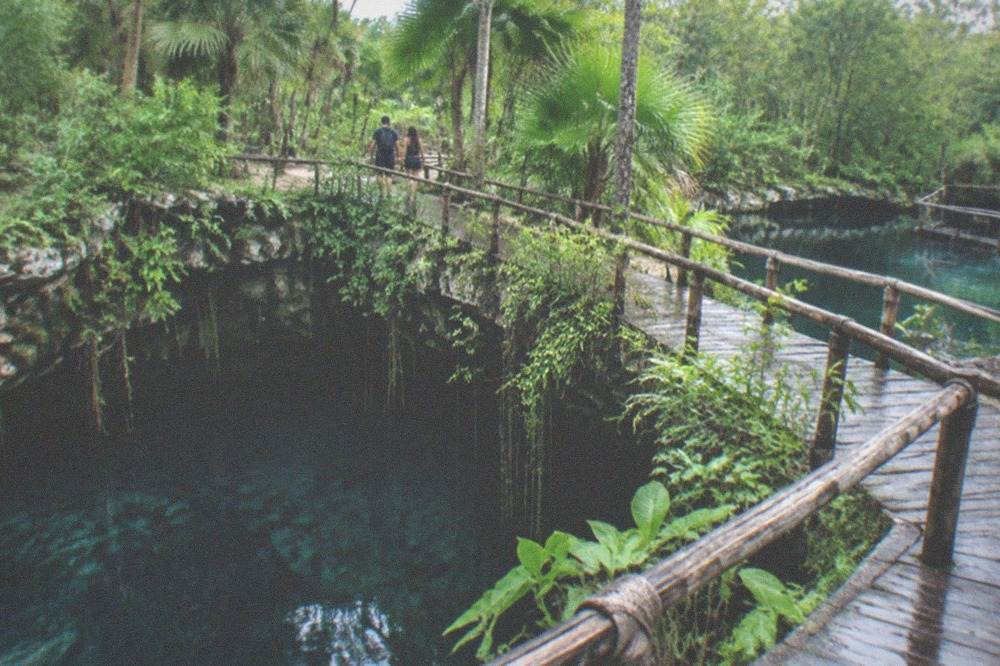
The layout is the reason for the crowds. An open-air pool gives you sunlight, turtles and easy swimming, while a short swim under the ledge puts you in a cavern zone with stalactites and rock formations, still within natural light. That combination is rare. Most Tulum cenotes lean one way or the other: open jar-shaped sites like Zacil-Ha, or full caverns like the deeper sections of Dos Ojos.
The turtles deserve their own sentence. Resident turtles are a consistent feature of the site, and they are a large part of why Gran Cenote is the default first cenote for so many visitors. Snorkelers see them regularly in the open section, and the operators that run snorkel stops in this corridor count turtle sightings among the reliable draws of the format.
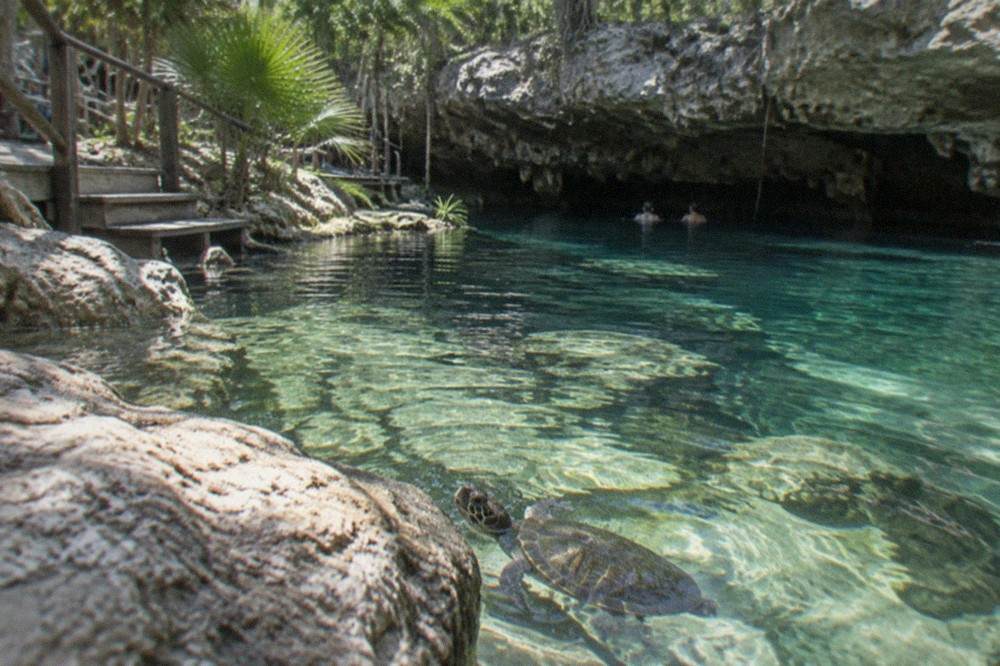
The site is also genuinely accessible. You do not need a certification, a guide, a boat or any particular fitness to enjoy it. That puts it in a small group of Tulum cenotes that a mixed party, swimmers and non-swimmers, adults and children, can all visit together and all get something out of. For a fuller map of the corridor's options, including the cave systems and the open lagoon-style sites, the guide to cenotes near Tulum covers the whole spread.
How Much Does It Cost To Enter Gran Cenote?
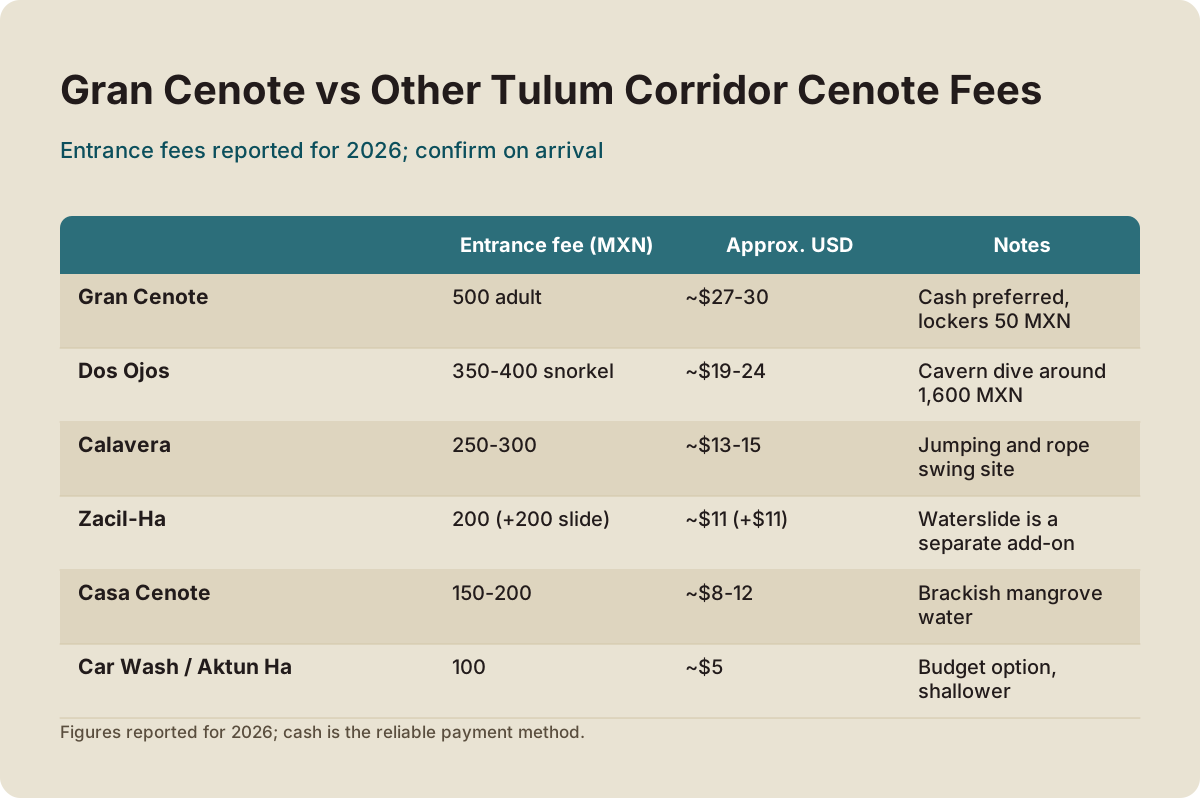
Entry to Gran Cenote is 500 MXN per adult, roughly $27 to $30 USD, making it the most expensive individual cenote entrance on the Tulum corridor. Fees are set by the site operator and can change, so confirm on arrival. Cash is preferred or required. Lockers run about 50 MXN at larger sites like this one, and a camera fee of roughly 100 to 300 MXN applies at some cenotes.
Five hundred pesos is not a typo and it is not a tourist trap in the usual sense. Gran Cenote sits at the top of the local fee range because it is the most developed site, with changing rooms, showers, walkways and staff. The budget end of the same corridor is Cenote Car Wash, also called Aktun Ha, at about 100 MXN, and the middle is filled by sites like Casa Cenote at 150 to 200 MXN and Calavera at 250 to 300 MXN.
| Cenote | Entrance fee (MXN) | Approx. USD | Notes |
|---|---|---|---|
| Gran Cenote | 500 adult | ~$27-30 | Cash preferred, lockers about 50 MXN |
| Dos Ojos | 350-400 snorkel | ~$19-24 | Guided cavern dive around 1,600 MXN |
| Calavera | 250-300 | ~$13-15 | Jumping and rope swing site |
| Zacil-Ha | 200 (+200 slide) | ~$11 (+$11) | Waterslide is a separate add-on |
| Casa Cenote | 150-200 | ~$8-12 | Brackish mangrove water |
| Car Wash / Aktun Ha | 100 | ~$5 | Budget option, shallower |
All of those figures are reasonable current numbers reported for 2026, but every one of them is set by the local operator or ejido and can move without notice, so treat the table as a planning range and confirm on arrival. Cash is the reliable method. Card readers work dependably at the major sites like Gran Cenote and Dos Ojos, and are unreliable or absent almost everywhere else, so carry pesos.
Two adjacent costs are worth separating. The Quintana Roo Visitax, roughly 283 MXN per foreign visitor, is a state airport tax, not a cenote fee; it never appears at any gate on this corridor. And if a guided tour catches your eye, entrance fees are usually bundled into the package price on snorkel-format tours, which is one of the quiet arguments for booking one. The cheapest independent day on this corridor is still two bus fares or a taxi each way plus entry.
If the fee structure across the whole corridor is what you are planning around, the cenote entrance fees guide breaks down every site, what is included, and where the hidden add-ons like camera fees and locker charges appear.
How Far Is Gran Cenote From Tulum And How Do You Get There?
Gran Cenote is about 4 km west of Tulum Pueblo on the Coba road, Highway 109, a 7 to 10 minute drive or bike ride. From the Tulum archaeological zone it is roughly 5 km, 5 to 10 minutes by taxi or car and about 58 minutes on foot. There is no separate airport-style transfer; a taxi, a rental bike or a colectivo-style hop is the whole journey.
The distance is the site's secret weapon. Four kilometers is close enough that a morning visit before the crowds costs almost nothing in transit time, and close enough that bike rental is a real option rather than a stunt. The road is the Coba road, straight out of Tulum Pueblo, and the site is signed.
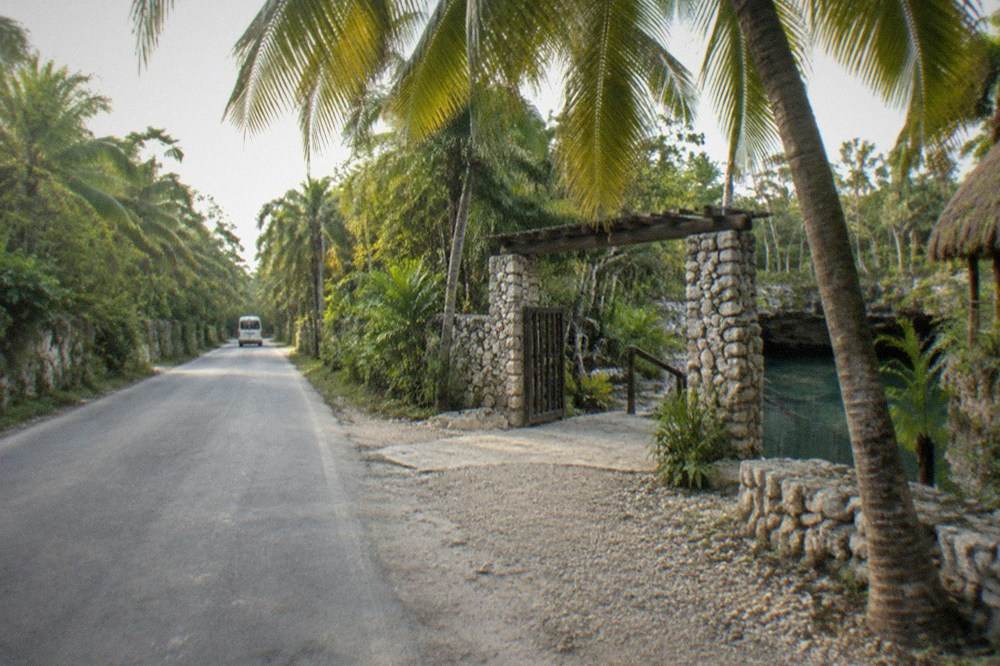
A travel-time reference for the Gran Cenote to Tulum route puts the drive at 5 to 10 minutes from the archaeological zone side, and walking it takes the better part of an hour in heat that makes that a bad idea by mid-morning. Taxi is the low-effort option and the fare is a local negotiation, not a published figure this site can verify.
The bike option deserves more attention than it gets. One product on the roster, the Tulum Cenote Trail Bike Tour, is built exactly around this: it meets at Av. Tulum 88 in Tulum town, includes urban bikes and helmets, and visits 2 to 3 cenotes depending on the option chosen. The listing does not name its cenote stops, so it is an honest corridor-level option rather than a guaranteed Gran Cenote visit, but from $119 with a 4.9 rating across 143 reviews it is the format that matches how close this site actually is to town. Bike-based touring turns the 4 km distance from a taxi fare into the point of the day.
Can You Snorkel At Gran Cenote?
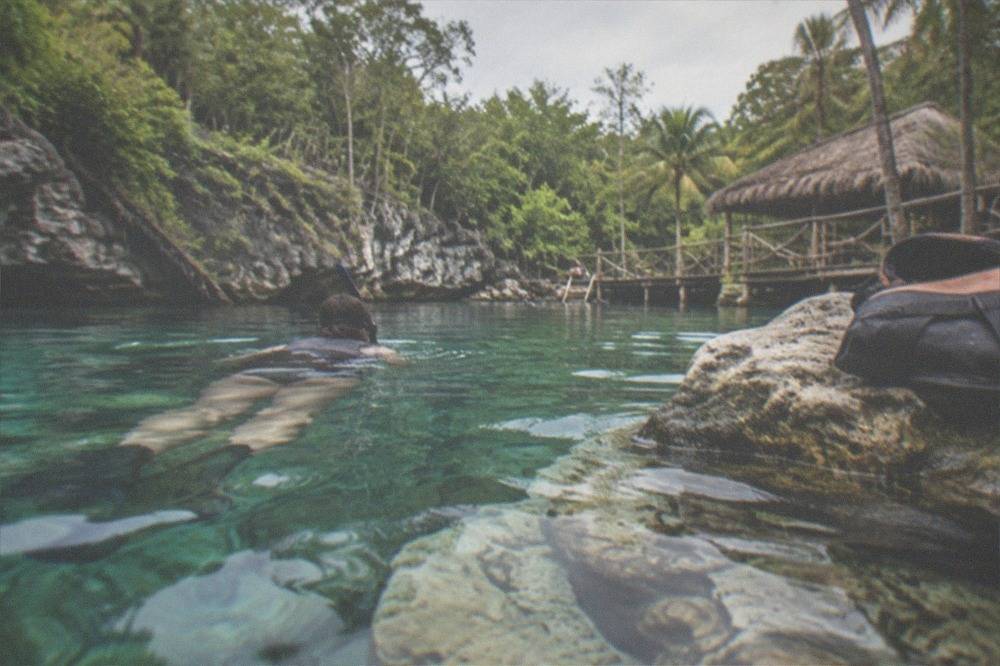
Yes, snorkeling is Gran Cenote's strongest suit. The open sections hold resident turtles, the water is clear, and the cave sections are shallow enough to view from the surface. Bring or rent a mask and fins; life jackets are commonly mandatory or available in the cave sections. Guided snorkel-format tours in this corridor typically include gear, transport and entrances in the package price.
Snorkeling here is not the same as snorkeling a cavern dive site. You stay in the natural light zone, following the ledge and the open pool, and the rewards are turtles, rock formation silhouettes and the halocline-free clarity of aquifer-fed freshwater. Visibility in this corridor is reported at high levels across sources, and Gran Cenote's shallow, open layout makes it forgiving for first-time snorkelers in a way that jump sites like Calavera or dark caverns are not.
For travelers who want the format handled, the roster's snorkel category covers this corridor well, without naming Gran Cenote specifically. The Cenote Triple Adventure Tour in Tulum visits 3 cenotes in 4 hours from $129.88, with a 5.0 rating across 467 reviews, snacks and water included and lunch a paid $15 add-on. The Magical Cenote and Paradise Lagoon option is the roster's cheapest standalone snorkel product at from $79, and the Tulum Ruins, Magical Cenote, Lagoon Snorkeling and Beachside Lunch tour is the second most-reviewed product on the entire roster, 4.9 across 1,975 reviews, from $119 for 6.5 hours, with the ruins entrance fee of about $15 per person extra.
Diving is a different question with a different answer. Guided cavern diving in this corridor requires a minimum Open Water certification, full cave certification only comes into play beyond the cavern zone, and Gran Cenote's identity is snorkeling and swimming rather than a dive site. If diving is the actual goal, the cenote diving guide covers the certification ladder, the operator landscape and what a two-dive day costs.
Is Gran Cenote Good For Families With Kids?
Yes, Gran Cenote is one of the corridor's most family-friendly sites. The open section is shallow and calm, life jackets are commonly free or mandatory for children under 12, and the 4 km distance keeps transit short. The honest watch-outs are the midday crowds, the slippery limestone edges, which call for water shoes, and the rinse-off rule every visitor must follow before entering the water.
The depth profile is what makes it work. Shallow pools and accessible open areas mean a nervous swimmer can stand or float near the edge, while braver kids graduate to the swim-throughs under supervision. Sites with jump platforms and 15-meter depths, Calavera is the local example, suit a different kind of family day. For a fuller comparison aimed squarely at the youngest swimmers, the piece on which cenote is best for toddlers works through the options.
One rule deserves its own paragraph because families break it most often: the pre-entry rinse. Every cenote on this corridor enforces a freshwater rinse before you get in the water, and biodegradable, mineral-filter sunscreen is the only kind permitted, with fines reported up to 1,200 MXN at enforcing sites. Children who have been slathered in conventional sunscreen all morning are exactly who this rule exists for, so pack the reef-safe tube and rinse everyone properly. The rest of the planning pages sit on Tulum Cenote Tours.
If a full family day is the plan rather than a single site, the most-reviewed product on the roster is built for exactly that mix: the Tulum ruins, a magical cenote, lagoon snorkeling and a beachside lunch, 6.5 hours, from $119, 4.9 across 1,975 reviews, with Cancun and Riviera Maya hotel pickup available. The cenote stops are not named in the listing, so read it for the day's shape rather than a guaranteed site, but as a family format it bundles ruins, water and lunch into one booking.
The booking terms on that family day matter as much as the itinerary. Most products on this roster carry free cancellation on the live listing, which is worth having when plans shift with children in tow, and pickup from Cancun and Riviera Maya hotels is available rather than a Tulum-town meeting point. The ruins entrance fee of about $15 per person is extra, so budget that on top of the headline price for each traveler.
How Does Gran Cenote Compare With Other Cenotes Near Tulum?
Gran Cenote is the corridor's all-rounder: highest fee at 500 MXN, closest major site to town at 4 km, semi-open with cave sections, best for snorkeling and families. Dos Ojos is the diving and cavern flagship 20 to 22 km north. Calavera is the jump site 3 km out, Casa Cenote is the brackish mangrove option, and Car Wash and Zacil-Ha are the budget and family-park ends.
The comparison matters because most visitors can only do two or three sites in a day, and the corridor clusters geographically. Gran Cenote, Calavera and Car Wash all sit on or near the Coba road within about 8 km of town, while Dos Ojos and Casa Cenote sit 20 km and 8 km north respectively on Highway 307. Pairing a Coba-road site with a 307 site means real driving, so decide which cluster your day belongs to before you leave.
| Cenote | Type | Fee (MXN) | Distance from Tulum | Best for |
|---|---|---|---|---|
| Gran Cenote | Semi-open with cave sections | 500 | ~4 km, Coba road | Snorkeling, families, turtles |
| Calavera | Semi-open, jumps | 250-300 | ~3 km, Coba road | Jumping, adventure photos |
| Car Wash / Aktun Ha | Open plus cave sections | ~100 | ~8 km | Relaxed swimming, budget |
| Zacil-Ha | Open | 200 (+200 slide) | ~8-8.5 km | Families, facilities, waterslide |
| Casa Cenote | Brackish mangrove river | 150-200 | ~8 km, Highway 307 | Kayaking, fish, mangroves |
| Dos Ojos | Cavern system | 350-400 | ~20-22 km, Highway 307 | Diving, cavern snorkeling |
Distances and fees in that table are the current reasonable figures from corridor reporting, and every one of them is set by the local operator and can change, so confirm on arrival. The full breakdown of the two biggest names is in the dedicated pages: the Gran Cenote comparison tackles the value question directly, and the Dos Ojos guide covers the cavern side of the corridor.
One ecosystem note that gets blurred in casual travel chat: crocodile sightings on this corridor are specific to Casa Cenote, whose brackish mangrove water connects toward the ocean and occasionally produces a sighting. Most Tulum cenotes, Gran Cenote included, are closed freshwater sinkholes with no crocodile habitat. The topic, and why the distinction matters, is covered in the piece on crocodiles in Mexican cenotes.
What Rules Apply When You Arrive?
Three rules shape every visit: rinse off all skin products at the site's shower before entering the water, use only biodegradable mineral sunscreen or none at all, and expect life jackets to be mandatory for children under 12 and non-swimmers. Fines for non-compliant sunscreen run up to 1,200 MXN. Cash is the reliable payment, and lockers cost about 50 MXN.
The sunscreen rule is the one with teeth. Conventional chemical sunscreen is not permitted anywhere on the corridor, enforcement includes bag checks at some sites, and approved biodegradable tubes sell on-site for roughly 150 to 350 MXN if you arrive without one. A few open cenotes elsewhere on the peninsula go further and ban all sunscreen, even biodegradable, along with repellent and lotions, so read the posted rules at the gate rather than assuming one blanket policy covers every site.
| Item on arrival | Figure | Notes |
|---|---|---|
| Locker rental | ~50 MXN | Larger sites like Gran Cenote and Dos Ojos |
| Camera / GoPro fee | ~100-300 MXN | Applies at some cenotes, cash only, check on arrival |
| Life jacket | 0 to ~50 MXN | Often free for children under 12, site-dependent |
| Biodegradable sunscreen on-site | ~150-350 MXN | Small tubes at the entrance or nearby shops |
| Sunscreen fine | up to 1,200 MXN | For non-compliant products at enforcing sites |
Beyond the gate rules, the practical ones are about your feet and your stuff. Rocky, slippery limestone edges are the standard terrain, so water shoes or grippy sandals with a heel strap earn their space in the bag, and smaller community-run sites have no lockers at all, so travel light. No food, alcohol or glass near the water applies corridor-wide, and drones are prohibited or heavily restricted at cenotes and not permitted at the Tulum archaeological zone. For the full packing picture, the what to bring guide lists it item by item.
When Is The Best Time To Visit Gran Cenote?
Arrive at opening, 8:00 AM, or after about 2:30 PM. Crowds and waits peak from roughly 10 or 11 AM to 2 PM as tour buses arrive. May, late September and early October are the lower-crowd sweet spots, while December through March and peak summer are the busiest. Cenote water stays 24 to 27 degrees C year round, so season changes crowds, not water temperature.
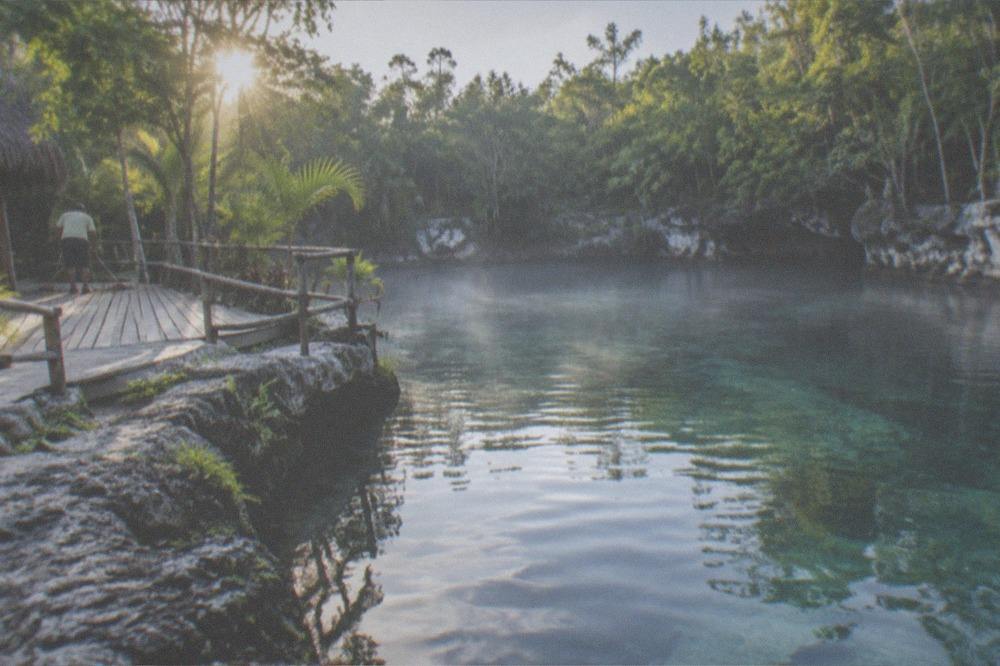
The timing math is more decisive here than at most sites because Gran Cenote is the corridor's volume leader. An 8 AM arrival means near-empty water, easy parking and turtles without an audience; the same site at noon means batch entry and a queue at the swim-throughs. The site detail in current corridor reporting and the 2026 cenotes guide both point the same direction on this: opening time is the whole strategy.
Two seasonal facts are worth separating from beach-town folklore. First, sargassum, the seaweed that affects Tulum's ocean beaches in season, never reaches cenotes: they are inland freshwater sinkholes with no ocean connection, so a heavy sargassum month is a reason to choose Gran Cenote over the beach, not a reason to skip it. Second, rain. The wet season runs June through October with afternoon showers, and heavy rain can briefly dip visibility at open cenotes from surface runoff, but the aquifer keeps conditions stable overall and closed cavern sections are largely unaffected.
Weekdays beat weekends at every popular site on the corridor. If your dates are fixed by a flight rather than choice, the season-by-season trade-offs, photography light in the dry season versus thin crowds in the wet, are laid out in the best time to visit guide.
Should You Visit Independently Or Book A Tour?
Visit Gran Cenote independently if your day is short and Tulum-based: 500 MXN in, 4 km out, no guide needed to swim in the open sections. Book a tour if you want multiple cenotes, gear, transport and the ruins bundled, or if you are staying in Cancun or the Riviera Maya. No tour on this roster names Gran Cenote in its itinerary, so read listings as corridor formats, not site guarantees.
The independent case is unusually strong here. The site is close, self-explanatory once you are in it, and does not require a guide for safety in the open zone. The costs are transparent: entry, maybe a locker, maybe a taxi. A confident traveler with a bike or a short taxi ride gets a better morning at Gran Cenote alone than most tour schedules allow, because a group visit is bound by its itinerary while you can leave when the water gets busy.
The tour case is about everything else in the day. The roster's snorkel-format products bundle multiple stops, gear and transport: the triple-cenote adventure at from $129.88, the three-stop bike format at from $119, and the 6.5-hour ruins, cenote, lagoon and lunch day at from $119. Combos that pair the Tulum archaeological zone with cenotes run from $27 up, with entrance fees of roughly $40 per adult paid on-site on the cheapest option, and the Cancun-departing versions state their Cancun or Playa del Carmen pickup plainly. If the question is whether the ruins half of that pairing earns its hours, the is it worth going to Tulum ruins piece answers it with the fee history and the time math.
The middle path is the one most guides skip: book the tour for the day you want the ruins or three cenotes, and slot an independent Gran Cenote morning into a quieter day. At 4 km and 500 MXN it is the easiest cenote on the corridor to do twice, once with a group and once alone at 8 AM with the turtles. For the site-level argument, the best cenotes in Tulum ranking places Gran Cenote against the rest of the field.
Common Questions About Gran Cenote
Is Gran Cenote Worth Visiting?
For most visitors, yes. It is the corridor's most accessible mix of open swimming, cave sections, turtles and clear water, 4 km from Tulum Pueblo. The honest counterargument is the 500 MXN fee and the midday crowds, both of which you manage by arriving at 8 AM and going on a weekday.
How Much Does It Cost To Visit A Cenote In Tulum?
Individual entrance fees run from about 100 MXN at Car Wash to 500 MXN at Gran Cenote, roughly $5 to $30, with most sites in between at 150 to 400 MXN. Guided snorkel tours that bundle transport, gear and entrances run from about $79 to $149 per person. Fees are set by each site's operator and can change, so confirm on arrival.
Can You Visit Cenotes Without A Tour?
Yes. Every cenote on the corridor sells entry at the gate, and Gran Cenote is among the easiest independent visits at 4 km from Tulum Pueblo. You trade away gear rental, transport and a guide's local knowledge, and you keep full control of timing, which at this site is the single biggest factor in visit quality.
Why Do Cenotes Close At 5?
Sites close in the late afternoon, Gran Cenote at about 4:45 PM with last entry around 4:15 PM, because the freshwater ecosystems need daily recovery time without swimmers, staff finish cleaning and balancing, and the operators run standard daylight hours. Arriving after mid-afternoon means a shortened swim, not a discount.
Are There Crocodiles In Cenotes?
Not in Gran Cenote or the closed freshwater sinkholes of the corridor. Occasional crocodile sightings are specific to Casa Cenote, whose brackish mangrove water connects toward the ocean. Gran Cenote is an inland freshwater site with no crocodile habitat.
Do Cenotes Get Affected By Sargassum?
No. Sargassum is an ocean-beach phenomenon carried by currents, and cenotes are inland freshwater sinkholes with no connection to the sea. During heavy sargassum months on Tulum's beaches, cenotes are the reliable clear-water option, which is why local recommendations shift toward them in those periods.