Is It Safe To Dive In A Cenote?
Cenote diving safety explained: cavern diving in the light zone with a certified guide suits Open Water divers, while full cave diving demands technical training. Here is what the rules, the guides and the risks actually look like.
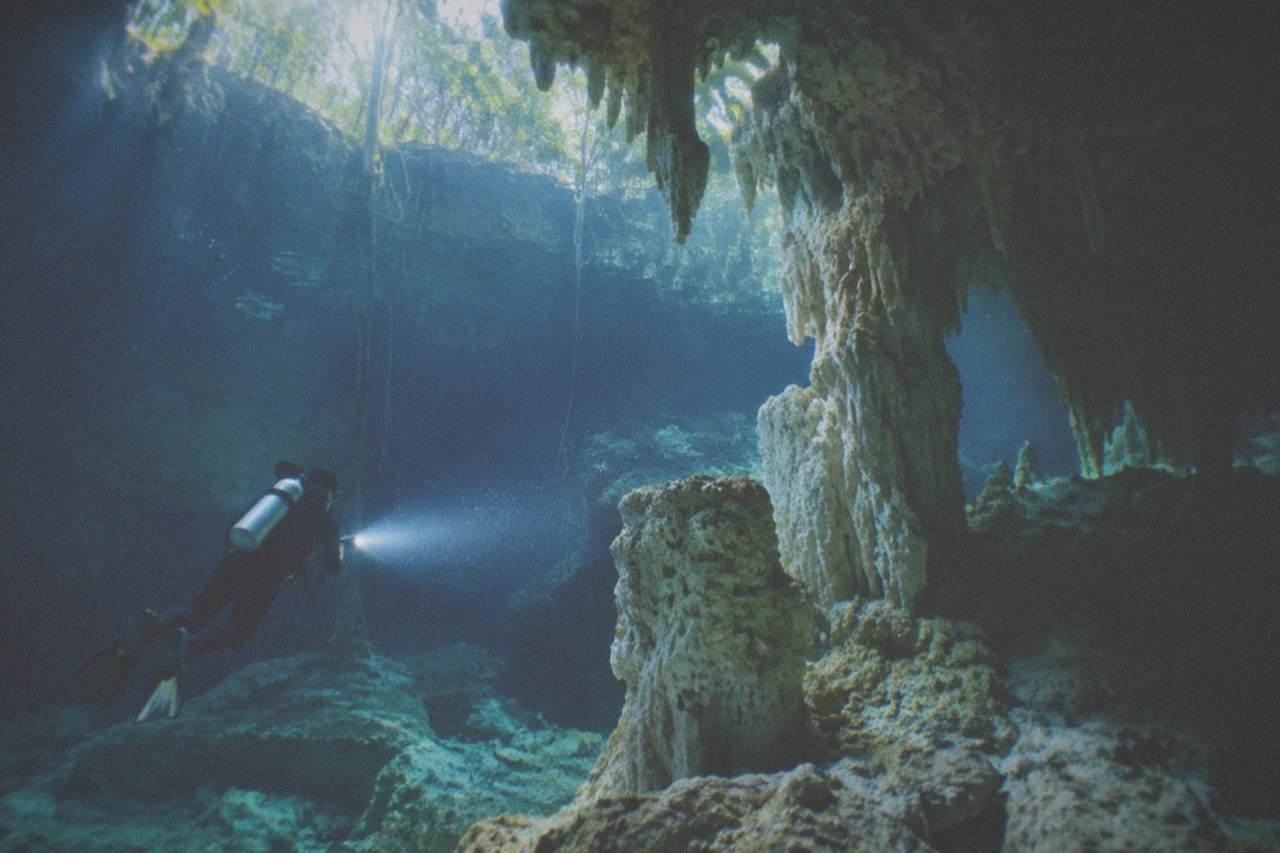
Is It Safe To Dive In A Cenote?
Yes, for most certified divers, when the dive stays in the cavern zone: the naturally lit area near the entrance, with a guide qualified for that environment. Guided cavern diving at sites like Dos Ojos requires only an Open Water certification, and 2026 operator standards are stricter than ever. Full cave diving, beyond the light, is a technical discipline and never a casual tourist activity.
The question hides two sports inside one word. A cavern dive keeps you in daylight, within sight of the surface opening, following a permanent guideline laid by the operator. A cave dive takes you past that light zone into the flooded tunnel network, and that is where the sport stops being tourism and becomes technical diving with its own certifications, gear and failure modes. Confusing the two is how people get hurt.
The water itself is about as forgiving as diving gets. Cavern zones in the Tulum corridor report visibility often exceeding 50 to 100 meters, which is several times what most ocean dives offer, and the water holds steady at roughly 24 to 27 degrees C all year regardless of what the weather is doing above. No current, no waves, no boat traffic. What the environment takes away is the one thing ocean divers lean on without thinking: direct access to the surface.
Every serious incident pattern reported near Tulum involves either uncertified divers or certified divers entering cave zones without the training for it. Guided cavern dives within the daylight zone, run by properly certified guides, are described consistently across current diving-safety sources as low risk when the rules are followed.
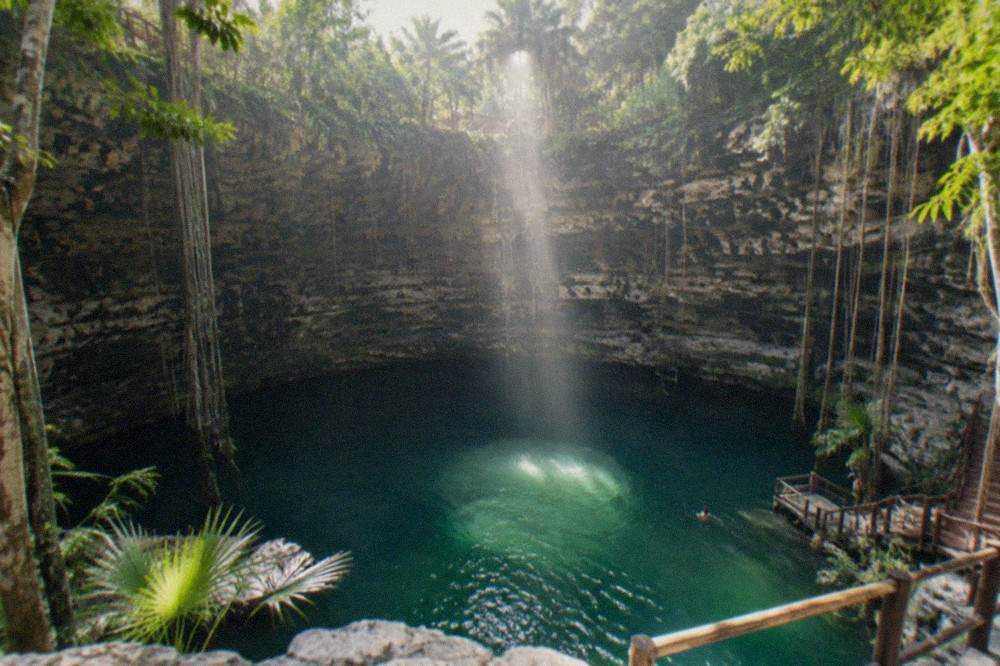
For readers weighing a first cenote dive, the honest starting points on this site's roster are the guided products: a certified-cavern option like the two-dive Dos Ojos package, or a beginner-format Discover Scuba experience that needs no certification at all.
What Is The Difference Between Cavern And Cave Diving?
Cavern diving means staying inside the natural light zone, within roughly 40 meters of a surface opening, following a permanent guideline, with a guide. Cave diving means leaving that light zone entirely, and it requires Intro to Cave or Full Cave certification plus technical gear. Current sources agree the boundary is strict, and guides must hold Full Cave certification either way.
The distinction is not marketing shorthand. It is the line between a recreational dive with an escort and a technical dive in an overhead environment, and 2026 guidance from multiple operator and training sources states it plainly: cavern diving requires a minimum Open Water Diver certification, while anything beyond the cavern zone demands Intro to Cave or Full Cave training, with the technical configuration that goes with it.
Depth plays a role in the ladder too. Shallow, classic cavern sites such as Dos Ojos sit around a maximum of 10 meters and suit entry-level certified divers. Deeper sites like The Pit run past 30 meters and call for Advanced Open Water or equivalent, which is why the roster's one deep-water product, Tulum: Scuba in 2 Cenotes Including a Deep One, is sold only to advanced and Level 2 divers.
| Level | Where You Dive | Certification Needed | Typical Tulum Example |
|---|---|---|---|
| Discover Scuba | Cavern zone, shallow, instructor-led | None, beginner format | Discover Scuba Diving in Cenotes, from $179 |
| Guided cavern dive | Daylight zone, permanent line | Open Water minimum | Two-dive Dos Ojos packages, from $190-$199 |
| Advanced cavern | Deeper sites past 30 m | Advanced Open Water or Level 2 | Pit + Dos Ojos combination, from $230 |
| Full cave | Beyond daylight, tunnels | Intro to Cave or Full Cave cert | Not sold as a tourist product |
That last row matters more than the others. No reputable operator on the roster sells a "full cave" experience to recreational divers, and current training sources confirm standard tourist full-cave tours simply do not exist. The deep exploration of the Sac Actun system is done by cave-certified technical divers, not by visitors on holiday.
Who Is Allowed To Dive In A Cenote?
Open Water certification is the floor for a guided cavern dive, and many operators set a minimum age of 15 for cenote cavern tours, sometimes with parental consent below 18. Beginners without any certification are not shut out: the Discover Scuba format exists specifically for them, pairing a first-time diver with an instructor in shallow cavern water.
The rules are set by the operators and they are enforced. A shop cannot legally or responsibly take an uncertified diver on a standard cavern dive, and the roster reflects that: the three certified-diving products, Go for 2 Dives in Cenote Dos Ojos, the Dos Ojos two-tank package from La Calypso Dive Center, and the advanced Pit plus Dos Ojos combination, all state certified-diver requirements on their listings. The beginner product, Discover Scuba Diving in Cenotes run with Agua Clara Diving Tulum, is built around people who have never breathed underwater.
Age limits vary by shop, but a 15-year minimum for cavern tours appears repeatedly in current operator documentation, with younger certified divers sometimes able to access open cenotes. The Discover Scuba route has its own instructor ratio and depth ceiling, which is what makes it workable for total novices.
One practical note for anyone comparing listings: the Go for 2 Dives in Cenote Dos Ojos product caps its groups at four travelers, meets in Tulum Centro on Calle Sagitario, runs four hours and does not include lunch. It carries a 5.0 rating from 90 reviews, from $190. The alternative certified package from the same dive center, Tulum: Dos Ojos Cenote 2 Scuba Dives, starts from $199 with a 5.0 rating across 6 reviews, and its listing flags 15 steps carried down with tanks at the site, worth knowing before you book anything knee-sensitive.
What Do Cenote Dive Guides Have To Qualify For?
Updated requirements published in January 2026 mandate that active cenote dive guides hold Divemaster or higher plus Full Cave certification, carry Mexican ID or a valid work permit, show six months of local residency and experience, and maintain first aid, CPR and oxygen-provider certifications with medical insurance. An endorsement letter from an evaluating instructor rounds it out.
That is the CREER framework, the regional body that certifies who is allowed to guide dives in these systems, and the January 2026 update tightened it across the board. The practical effect for a visitor is simple: the person leading your cavern dive is not a generic divemaster who learned the site last week. They are a full-cave-qualified local guide with an active rescue skillset, even though you yourself only need to be Open Water certified to follow them.
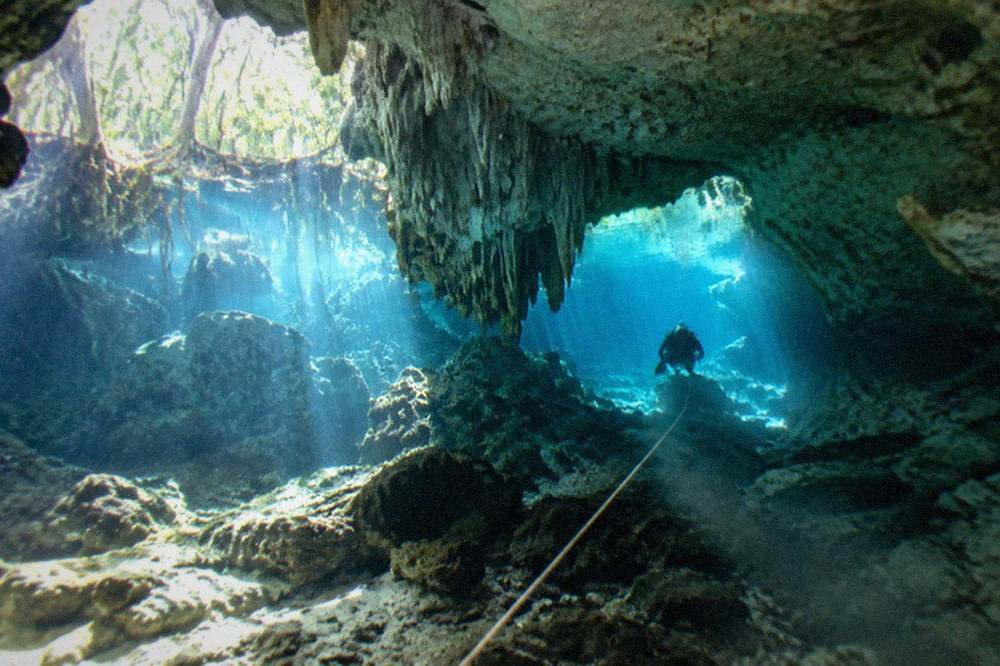
It also explains a chunk of the price. Guided cavern tours in the Tulum area commonly run from about $160 for a single-cenote, two-dive package up to $180-$230 for two cenotes or deeper advanced options, and that range reflects small groups, transport, full gear including tanks, wetsuit and lights, and a guide whose credentials cost years to accumulate. The complete cenote diving cost guide from a local diving publication breaks down where that money goes.
What Are The Actual Risks And Incident Patterns?
The documented incident pattern near Tulum is consistent: fatalities have involved uncertified divers, or certified divers entering cave zones without proper training or guidelines, in cases reported through 2024. Guided cavern dives inside the daylight zone with qualified guides are described by current safety sources as low risk when the rules are followed.
That framing comes from diving-safety reporting rather than from tour operators talking their own book. The hazards specific to overhead environments are real and worth naming: a ceiling you cannot ascend through, silt that a careless fin kick can turn into zero visibility, and distance from open air that grows with every minute of swimming. All three are managed by the same controls, the guideline, the light zone, the guide, and none of them apply to a diver who stays inside those controls.
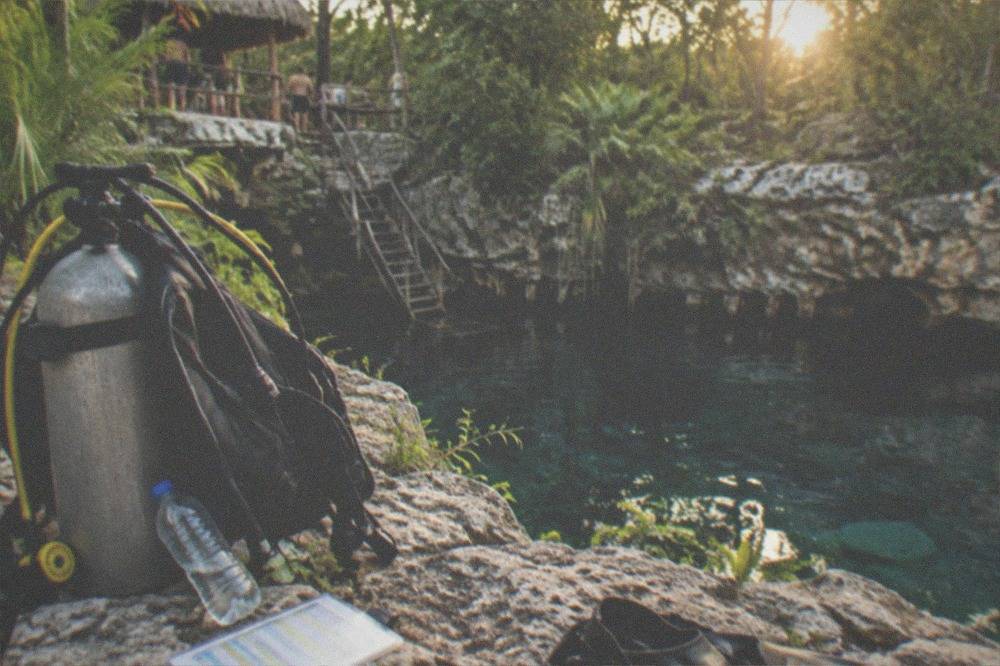
The comparison readers actually care about is against the ocean, and the honest answer is mixed. Cenotes remove surge, current, waves, boat traffic and most marine-life risk. They add the overhead ceiling and, at some sites, a halocline layer where fresh and salt water meet and visibility briefly smears. Neither column makes the dive unsafe; they make it a different dive with different rules, which is why the certification floor and the guide requirement exist.
The progression from cavern toward cave is a published pathway, not a leap, and the cavern versus cave certification progression laid out by a Riviera Maya training operation shows exactly which card unlocks which zone. Readers planning a longer diving trip can also map the wider terrain in the Tulum cenote diving guide, and anyone still weighing the basic swim-versus-dive question will find the water-quality fundamentals in the cenote swimming safety answer.
What Does A Safe First Cenote Dive Look Like?
A safe first cenote dive is a guided cavern dive at a shallow, high-visibility site like Dos Ojos, booked with a certified-cavern product for Open Water holders or a Discover Scuba session for beginners, run in a small group with full gear supplied. Both formats exist on the roster, from $179 to $190, and neither asks for experience beyond its own level.
For a certified diver, the natural first pick is the two-dive Dos Ojos package: four hours, a meeting point on Calle Sagitario in Tulum Centro, supplied by La Calypso Dive Center, capped at four travelers, from $190 with a 5.0 rating across 90 reviews. It is the most-reviewed diving product on the site and the shape of the dive, two cavern circuits in the daylight zone following a permanent line, is exactly the controlled introduction the format deserves.
For someone with no certification at all, the Discover Scuba product is the honest door in. It meets at Agua Clara Diving Tulum in front of Hotel Zamas, costs from $179, and holds a 5.0 rating from 12 reviews, a small pool that should be read as a small pool rather than as proof of anything grander. The format is instructor-supervised, shallow, and built for a first breath underwater, which is what a genuine beginner actually needs.
What neither format does is take you anywhere you should not be. No recreational product on this roster goes past the cavern zone, and the one advanced item, the Pit plus Dos Ojos combination at from $230, is explicitly restricted to advanced and Level 2 divers with a cave-certified instructor included. Anyone hungry to go further than that is looking at a certification pathway measured in courses, not a checkout button.
Practical prep matters as much as product choice. Confirm your certification card is current, answer the operator's medical questionnaire honestly, and be realistic about fitness for sites with steps: one listing notes 15 steps down carrying tanks. The equipment, wetsuit, lights, tanks, is supplied in these packages, so the main things a diver brings are ears that equalize well and a willingness to stay close to the guide.
What Conditions Should You Expect Underwater?
Expect 50 to 100-plus meters of visibility in the cavern zone, water holding steady around 24 to 27 degrees C regardless of season, no current and no surge, and occasional brief blur where fresh and salt water meet in a halocline. Heavy surface rain can dip visibility temporarily in open cenotes, while closed cavern sites stay largely unaffected.
The constancy is the striking part. Ocean divers plan around seasons; cavern divers mostly do not. The aquifer keeps the temperature flat all year, and the only seasonal variable worth planning around is runoff: after sustained heavy rain, open-air cenotes can see short-term visibility drops, while the enclosed cavern sites where the diving happens are largely insulated from it. The Dos Ojos site guide from a local dive shop describes the typical conditions in detail.
Light is the aesthetic variable. Midday sun shafts through the openings of semi-open cenotes and makes the photography that the region is famous for, which is one reason the dry-season months are prized by photographers even though the water quality itself never really dips. Depth in the classic cavern circuits runs shallow, around 10 meters at Dos Ojos, which keeps bottom times generous and gas management undramatic.
For a reader assembling the wider trip rather than a single dive, the safety verdict here feeds directly into planning questions covered elsewhere: the best time to visit Tulum cenotes handles seasonality in full, and how many days in Tulum is enough helps fit a dive day into a realistic itinerary. On Tulum Cenote Tours, the roster keeps the diving products cleanly separated by level so the certification question answers itself at the listing.
| Diving Product | Price From | Rating And Reviews | Who It Suits |
|---|---|---|---|
| Discover Scuba Diving in Cenotes | $179 | 5.0 from 12 reviews | Beginners, no certification required |
| Go for 2 Dives in Cenote Dos Ojos | $190 | 5.0 from 90 reviews | Certified divers, max 4 travelers |
| Tulum: Dos Ojos Cenote 2 Scuba Dives | $199 | 5.0 from 6 reviews | Certified open-water divers |
| Tulum: Scuba in 2 Cenotes (Pit + Dos Ojos) | $230 | 4.9 from 8 reviews | Advanced and Level 2 divers only |
The pattern across that table is the safety answer in miniature. Every product is bounded to a level, stated plainly on its listing, and none of them sells a shortcut past the one boundary that matters: the daylight zone.
Common Questions About Cenote Diving Safety
Is It Safe To Dive In A Cenote?
Yes, for guided cavern diving in the daylight zone with a certified guide, which requires only an Open Water certification. Full cave diving past the light zone is a technical discipline requiring Full Cave training, not a tourist activity, and reported incidents near Tulum have involved uncertified divers or divers entering cave zones without training.
Do I Need A Certification To Dive In A Cenote?
For a guided cavern dive, the minimum is an Open Water certification, and many operators set a minimum age of 15. Total beginners are not excluded: the Discover Scuba format pairs a first-time diver with an instructor in shallow cavern water and needs no certification at all.
How Deep Are Cenote Dives?
Classic cavern sites like Dos Ojos run to roughly 10 meters, shallow enough for Open Water divers. Deeper sites such as The Pit go past 30 meters and require Advanced Open Water or equivalent, which is why the roster's deep-water product is sold only to advanced and Level 2 divers.
What Qualifications Must A Cenote Dive Guide Hold?
Under requirements updated in January 2026, active cenote dive guides must hold Divemaster or higher plus Full Cave certification, Mexican ID or a valid work permit, six months of local experience, current first aid, CPR and oxygen-provider training, medical insurance, and an endorsement letter from an evaluating instructor.
Is Cenote Water Cold?
No, and it does not change with the seasons. Cenote water holds steady at roughly 24 to 27 degrees C year-round because it comes from the underground aquifer, independent of surface weather. Operators supply wetsuits as part of the standard package.
What Is The Visibility Like?
Cavern zones commonly offer visibility exceeding 50 to 100 meters, far beyond typical ocean conditions. After heavy sustained rain, open-air cenotes can see short-term dips from surface runoff, while enclosed cavern sites, where the dives happen, stay largely unaffected.