Best Cenotes In Tulum, Ranked
Tulum's cenote corridor packs half a dozen distinct swim experiences within twenty minutes of town, from turtle-filled semi-open pools to cavern systems mapped for kilometres underground. This ranked shortlist sorts them by what you actually want from the day: all-round swimming, serious snorkeling, diving, family ease or a low budget, with the entrance fees and tour pairings that fit each.
Short answer
Gran Cenote is the best all-round pick at 500 MXN entry with turtles and easy swimming. Dos Ojos, 350 to 400 MXN, leads for snorkeling and diving. Casa Cenote suits families, Calavera suits jumpers, Car Wash suits tight budgets at about 100 MXN. A guided tour such as the Cenote Triple Adventure, from $129.88, bundles three sites with gear.
Tulum sits directly on the Sac Actun system, one of the longest mapped underwater cave networks on earth, and the town's cenotes are the surface windows into it. Within twenty minutes of the town centre you can swim with turtles in a semi-open pool, drift through a cavern line with a dive light, or jump off a platform into a sinkhole the size of a living room. The six cenotes ranked here cover that whole range, and the ranking is built on what each site is genuinely best at rather than on which one photographs best.
One honest caveat before the list. Individual cenotes do not carry review scores the way tours do; they are places, not products. Where this guide cites ratings and review counts, those figures belong to bookable tours on the site's verified roster, printed exactly as the roster states them. Cenotes reached through small operators with thin review pools are never called "best" on review strength alone, because a perfect score from seven people is not a track record, it is a small sample.
How These Cenotes Were Ranked
The ranking weighs five things: how distinctive the swimming or diving is, how easy the site is to reach from Tulum town, what the entrance fee buys, how well the site suits its best-fit visitor, and how reliably the experience holds up across seasons. Gran Cenote, Dos Ojos, Casa Cenote, Calavera, Car Wash and Zacil-Ha all make the list, each winning a category rather than competing for one crown.
No single cenote wins everything, and pretending otherwise is how generic top-ten lists mislead people. Gran Cenote is the most complete all-round swim but it is also the most crowded by late morning. Dos Ojos has the most spectacular underwater architecture but the cenote itself is a twenty-five minute drive north, not a quick pedal from town. Calavera is five minutes away and beloved by jumpers, yet a poor choice for anyone who wants a long, calm swim.
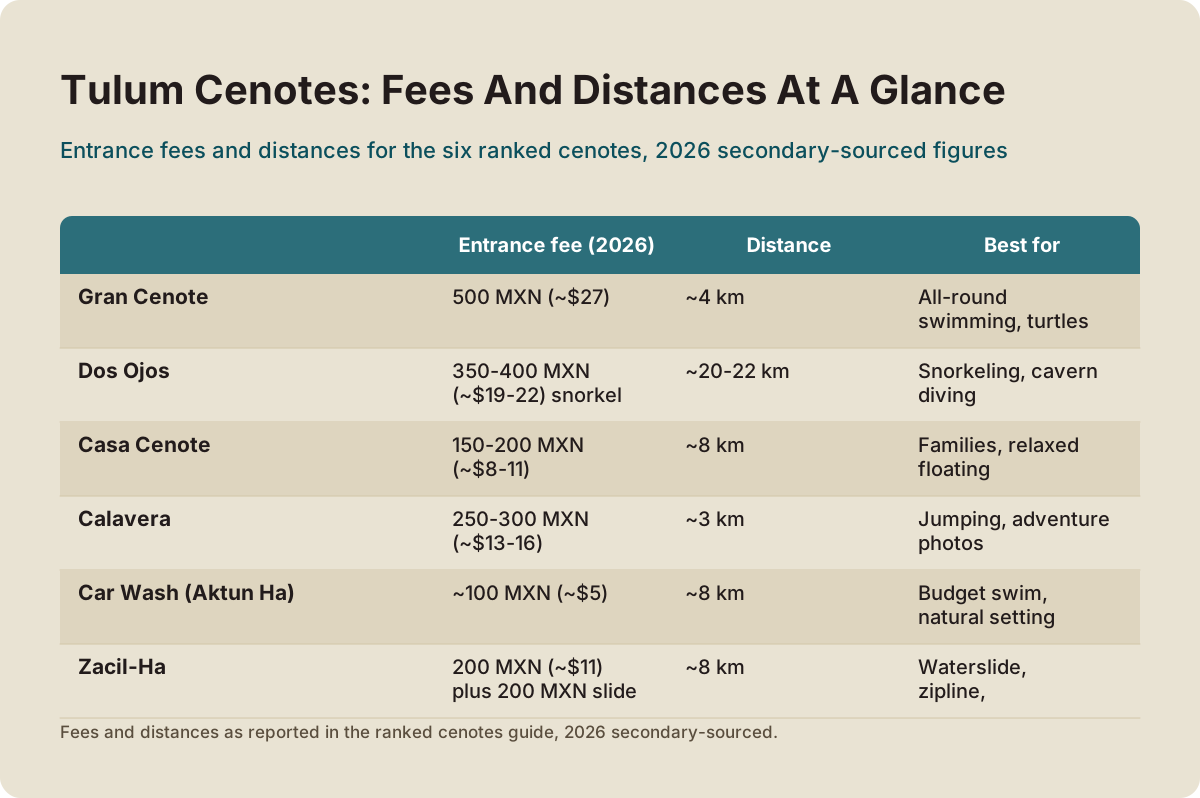
Fees matter too, and they vary more than most visitors expect: roughly 100 MXN at Car Wash against 500 MXN at Gran Cenote, a fivefold spread within the same corridor. Those figures are secondary-sourced for 2026, meaning they are reasonable current numbers rather than officially published tariffs; fees are set by the site or operator and can change, so confirm on arrival. Distances and water conditions come from current site guides cross-checked against the site's own verified facts file.
The Ranked Cenotes In Tulum At A Glance
The shortlist, in order: Gran Cenote for the best overall visit, Dos Ojos for snorkeling and diving, Casa Cenote for families and easy swimming, Calavera for jumping and adventure photos, Car Wash for the lowest-cost natural swim, and Zacil-Ha for waterslides and facilities. Entrance fees run from about 100 MXN at Car Wash to 500 MXN at Gran Cenote, and every site sits within roughly 22 km of Tulum town.
The table below is the decision surface: what each cenote costs to enter, what it is actually best at, and how far it sits from town. Distances are measured from Tulum Pueblo and are approximate road figures.
| Rank | Cenote | Type | Entrance fee (2026) | Best for | Distance from Tulum |
|---|---|---|---|---|---|
| 1 | Gran Cenote | Semi-open with cave sections | 500 MXN (~$27) | All-round swimming, turtles, snorkeling | ~4 km |
| 2 | Dos Ojos | Cavern / cave system | 350-400 MXN (~$19-22) snorkel | Snorkeling, certified cavern diving | ~20-22 km |
| 3 | Casa Cenote | Open, brackish mangrove river | 150-200 MXN (~$8-11) | Families, kayaking, relaxed floating | ~8 km |
| 4 | Calavera | Semi-open with jump platforms | 250-300 MXN (~$13-16) | Jumping, rope swing, adventure photos | ~3 km |
| 5 | Car Wash (Aktun Ha) | Open with cave sections | 100 MXN (~$5) | Budget swim, natural setting | ~8 km |
| 6 | Zacil-Ha | Open, developed | 200 MXN (~$11) plus 200 MXN slide | Waterslide, zipline, facilities | ~8 km |
Fees in that table are secondary-sourced current figures; each site sets its own price and can change it, so treat them as planning numbers and confirm on arrival. Several sites prefer or require cash in pesos, with card readers reliable mainly at Gran Cenote and Dos Ojos.
If you would rather have someone else handle transport, gear and the entrance logistics, a guided cenote tour is the efficient route, and three formats dominate the verified roster: the triple-cenote adventure tour, a ruins-plus-cenote-plus-lagoon day, and a bike-based cenote trail. The selection below shows all three.
The Cenote Triple Adventure Tour in Tulum is the roster's flagship multi-cenote product: 5.0 from 467 reviews, from $129.88, four hours, three cenotes with snacks and water included and lunch available as a paid $15 add-on. The Tulum Guided Tour with Magical Cenote, Lagoon Snorkeling and Beachside Lunch trades one cenote for ruins and Yalku Lagoon, 4.9 from 1,975 reviews from $119 over 6.5 hours. The Cenote Trail Bike Tour covers two to three cenotes by bicycle for from $119, 4.9 from 143 reviews.
Gran Cenote: The Best All-Rounder
Gran Cenote takes the top spot because it combines everything first-time visitors want in one site: shallow open pools for relaxed swimming, cave sections with stalactites, resident turtles that make snorkeling genuinely rewarding, easy access four kilometres from town, and full facilities including rinse showers, changing rooms and lockers. The trade-off is crowds; by late morning it is the busiest cenote on this corridor, so arrive at opening.
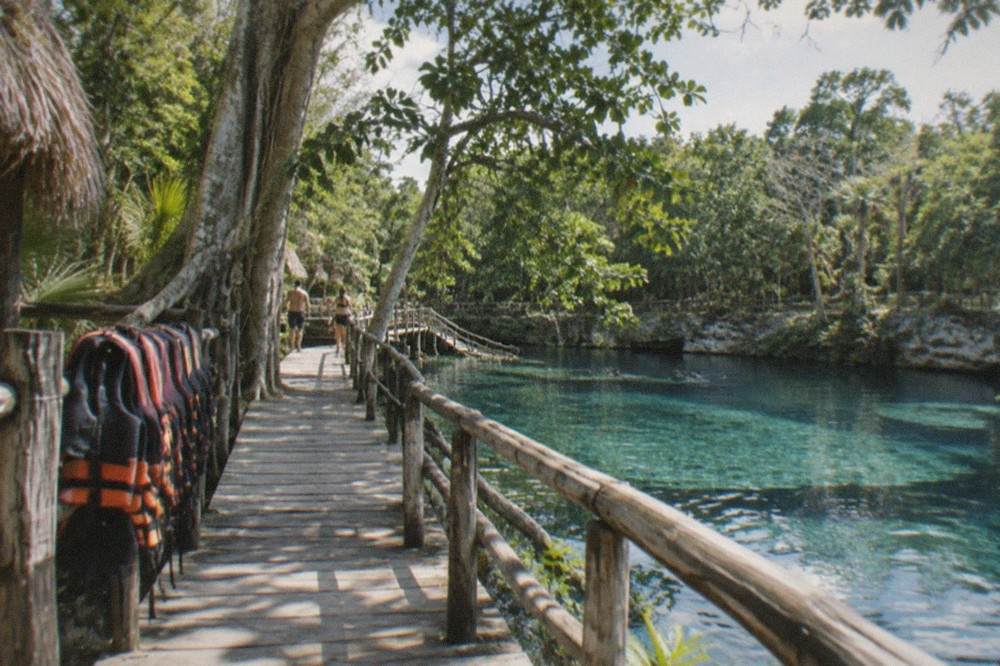
The site is semi-open, which in practice means a chain of sunlit pools connected by shaded swim-throughs. Turtles are the signature draw: current guides consistently report them as a common sight, and the mix of light zones and rock formations keeps a snorkeler occupied for a solid hour. Life jackets are typically required or at least available in the cave sections, and they are commonly free or mandatory for children under 12 at major sites like this one.
Logistics are the reason Gran Cenote ranks first despite the crowd issue. It sits about 4 km west of Tulum Pueblo on the Coba road, a seven to ten minute drive or an easy bike ride, which makes it the only top-tier cenote genuinely reachable under your own steam in minutes. It opens around 8:00 AM with last entry mid-afternoon, roughly 4:15 PM, closing about 4:45 PM; those hours are secondary-sourced, so check before setting out. The current Gran Cenote site guide tracks the practical details, and there is a fuller site writeup in our Gran Cenote visiting guide.
A tour is the way to see it without thinking about lockers, vests or timing. The Cenote Triple Adventure Tour from $129.88 is built exactly for this: its three-cenote format pairs the corridor's headline sites in one four-hour run, with a 5.0 rating across 467 reviews. For a deeper comparison of every site along this road, the cenotes near Tulum overview covers the full corridor.
Dos Ojos: The Best Cenote For Snorkelers And Divers
Dos Ojos ranks second because it offers the most dramatic underwater experience in the corridor: a two-eye cavern entrance into the Sac Actun system, with visibility often reported at 30 metres or far beyond in the cavern zones. Snorkelers float a decorated cavern line; certified divers can go deeper on guided cavern dives. It is 20 to 22 km north of Tulum, about a 25 minute drive, and the snorkel entry runs 350 to 400 MXN.
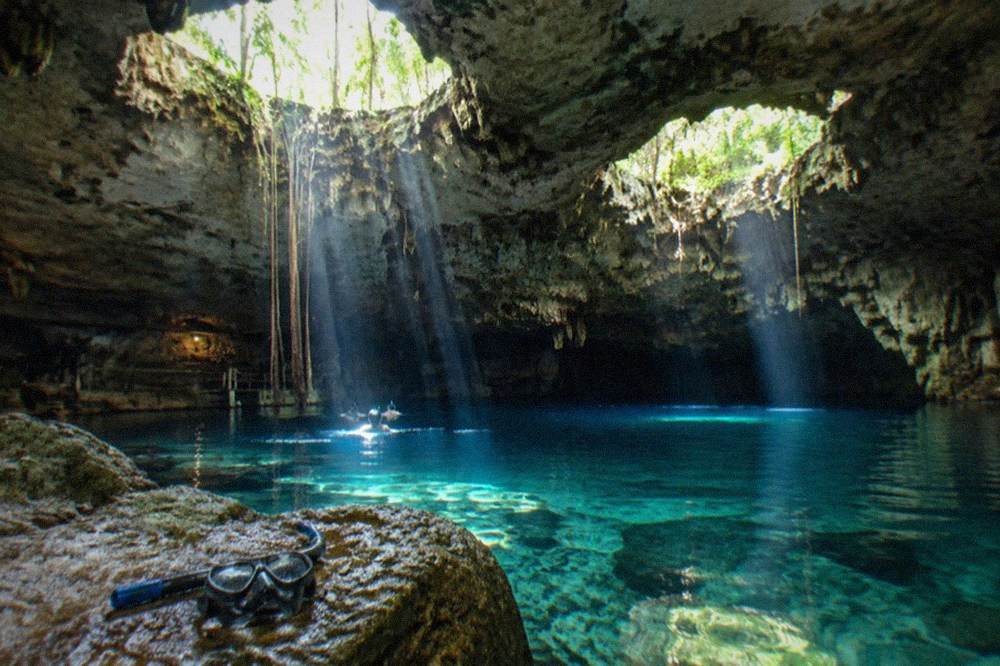
The name means "two eyes", the paired sinkhole openings through which the cavern is entered. This is the site for people whose main memory of a cenote should be what they saw underwater rather than the water they floated on. The cavern dive package sits much higher, around 1,600 MXN guided when booked at the gate, though the diving products on this site's roster bundle access into the package price instead. The Dos Ojos site reference covers the depth and visibility figures in detail, and our Dos Ojos cenote guide walks the full visit.
For snorkelers, the honest pairing is the Discovering Breathtaking Cenotes tour: it is the only snorkel-category product on the roster whose listing names its stops, and its stops are Dos Ojos and Casa Cenote. It runs from $149 for 4.5 hours. One honesty note the site holds to firmly: that operator carries 5.0 from just 7 reviews, a real but thin pool, so it is recommended here for its itinerary, never described as highly rated or popular.
For divers, the standout is a certified-only product: two dives in Dos Ojos with La Calypso Dive Center, 5.0 from 90 reviews, from $190 for four hours, maximum four travelers per group, meeting at Calle Sagitario Pte. 872 in Tulum Centro. Cavern diving here stays in the natural light zone, which requires only Open Water certification when guided; full cave passage is technical territory, not a tourist product. The Tulum cenote diving guide covers the certification ladder in full.
Casa Cenote: The Best Family Cenote For Easy Swimming
Casa Cenote ranks third as the gentlest swim on the list: an open, brackish mangrove-connected cenote about 8 km north of Tulum where the water is calm, shallow-edged and easy for children and hesitant swimmers. Entry runs 150 to 200 MXN. It is the one site here connected to mangrove habitat, which means fish among the roots, kayaking options, and occasional crocodile sightings in its specific brackish water.
That crocodile note needs precision, because it is the most misrepresented fact about Tulum cenotes. Crocodile presence is specific to Casa Cenote's brackish mangrove connection and is occasional, not guaranteed and not dangerous in practice under normal site supervision. Most cenotes on this corridor, including Gran Cenote, Dos Ojos and Calavera, are closed freshwater sinkholes with no mangrove connection and no crocodile habitat at all. Our full crocodiles in Mexican cenotes piece covers what the sightings actually involve.
For families, the practical strengths are the flat, open water, the ease of supervision compared with cave sections, and the free-or-mandatory life jacket culture at major sites. Snorkeling here is mellow: mangrove roots, small fish, warm light. The site is also the corridor's best answer to the question which cenote is best for toddlers, where shallow entries and no jumping culture matter more than spectacle.
Tours reach Casa Cenote in the standard snorkel format; the Magical Cenote and Paradise Lagoon Snorkeling Adventure, from $79 for 3.5 hours, is the roster's cheapest standalone snorkel product, 4.9 from 886 reviews, with Cancun and Riviera Maya pickup available. As with every pairing on this page outside the two explicitly named itineraries, treat the cenote-to-tour match as a typical category pairing and check the specific listing's stops before booking. The wider set of guides lives on Tulum Cenote Tours.
Calavera, Car Wash And Zacil-Ha: The Budget And Adventure Picks
Calavera is the adrenaline pick, 3 km from town at 250 to 300 MXN, built around jump platforms and a rope swing into a sinkhole about 15 m deep. Car Wash is the budget pick at roughly 100 MXN, an undeveloped natural swim. Zacil-Ha is the facilities pick, 200 MXN entry with a 200 MXN optional unlimited waterslide, aimed squarely at families who want ziplines and amentities alongside the water.
Calavera, nicknamed the Temple of Doom, is the cenote your social feed has already shown you: a small skull-eyed opening, a swing rope, platforms, and a drop into deep green water. It is a five to ten minute ride from town, the closest site on this list, which is exactly why it gets busy with young travelers in the middle of the day. It suits jumping and photos, not long swims; if your group wants calm water, this is the wrong pick.
Car Wash, or Aktun Ha, is the inverse: no spectacle, minimal development, roughly 100 MXN in, and a shallow open area around 3 m deep with deeper cave sections for light exploration. It is the corridor's cheapest reasonable swim and the site most worth choosing when the budget matters more than the backdrop. A higher fee is sometimes reported for divers, consistent with the fee's site-and-operator variability.
Zacil-Ha wraps a small open cenote in a developed family park: the 200 MXN base entry, the separate 200 MXN unlimited waterslide add-on, zipline options and facilities. This is not the pick for solitude or for a bucket-list cavern; it is the pick for a family afternoon where the slide does half the entertaining. The Zacil-Ha and Car Wash guide compares the two side by side.
| Cenote | Entry (2026) | Signature activity | Watch out for |
|---|---|---|---|
| Calavera | 250-300 MXN (~$13-16) | Platform jumps, rope swing | Depth ~15 m, not a calm swim; midday crowds |
| Car Wash (Aktun Ha) | 100 MXN (~$5) | Relaxed natural swim | Fewest facilities of the six |
| Zacil-Ha | 200 MXN (~$11), slide +200 MXN | Waterslide, zipline | Most developed, least wild |
All three fees are secondary-sourced current figures, set by each site and subject to change; confirm on arrival, and bring pesos, since card readers are unreliable away from the biggest sites.
How To Pick A Cenote Tour By Format
The verified tour roster splits into four formats: snorkel tours from $79 to $199, ruins-plus-cenote combos from $27 to $89, scuba products from $179 to $230, and ATV-and-zipline adventures from $83.80 to $151. Pick by what the day is for: a fast multi-cenote swim, a full ruins day, a first dive, or an adrenaline afternoon. The three-format comparison below maps the most-booked option in each style.
The Cenote Triple Adventure Tour in Tulum is the strongest all-format pick for visitors whose day is about the water. From $129.88, four hours, three cenotes in one run, snacks and water included, lunch a paid $15 add-on, and a 5.0 rating across 467 reviews, the largest review pool of any 5.0 product on the snorkel roster. It departs from Tulum, meeting at 85xciento La Vera Pizza al Taglio on Calle Sol Ote. in Tulum Centro, which keeps the whole day inside the corridor rather than burning hours on a highway pickup.
The ruins-first traveler gets a better day from the combo format. The Tulum ruins combined ticket now runs 80 MXN for Mexican nationals and 265 MXN for foreign visitors, covering the archaeological zone together with the protected natural area under the July 2026 unification, per the official federal announcement. The Tulum Guided Tour with Magical Cenote, Lagoon Snorkeling and Beachside Lunch folds the ruins, a cenote and Yalku Lagoon into one 6.5-hour day from $119, 4.9 from 1,975 reviews, though the ruins entrance of roughly $15 per person is paid separately.
The self-propelled format is the Cenote Trail Bike Tour: from $119, 4.9 from 143 reviews, urban bikes and helmets included, meeting at Av. Tulum 88 in town, visiting two to three cenotes depending on the option chosen. Its listing does not name the cenotes, so check the live listing for current stops; this is exactly the kind of honest gap worth knowing before you book.
| Format | Lead tour | Price | Rating and reviews | Duration |
|---|---|---|---|---|
| Multi-cenote snorkel | Cenote Triple Adventure Tour | From $129.88 | 5.0, 467 reviews | 4 hours |
| Ruins, cenote, lagoon | Tulum Guided Tour, Magical Cenote, Lagoon Snorkeling and Beachside Lunch | From $119 | 4.9, 1,975 reviews | 6.5 hours |
| Bike trail | Cenote Trail Bike Tour | From $119 | 4.9, 143 reviews | Duration on the listing |
What The Best Cenotes Cost To Visit
Counting entry, a DIY cenote day in Tulum costs roughly 100 to 500 MXN per site plus transport, so a three-site independent day lands near 1,000 MXN per person before food. A guided tour from $79 to $199 per person usually bundles transport, gear and entry logistics, and the guided snorkel market typically runs $110 to $159 for a multi-site trip. Which is cheaper depends on how many sites you visit and whether you already have gear.
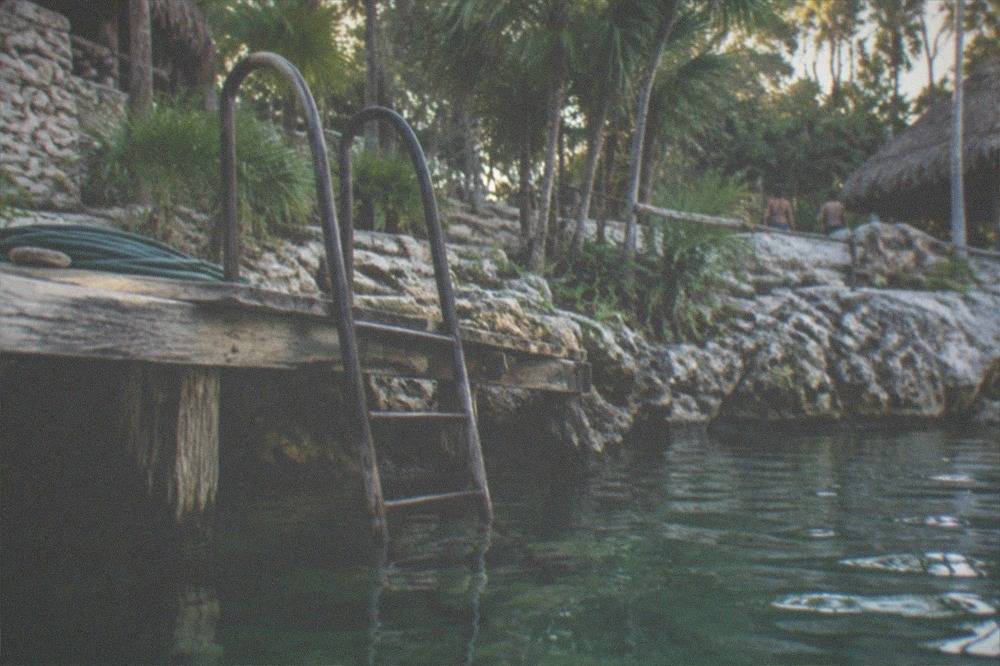
The fee picture, MXN-first as the amounts you actually pay at the gate:
| Cenote | Entrance fee (2026) | Approx USD | Payment notes |
|---|---|---|---|
| Gran Cenote | 500 MXN | ~$27 | Cash preferred; card reader usually works |
| Dos Ojos | 350-400 MXN snorkel; ~1,600 MXN cavern dive | ~$19-22 / ~$87 | Card reader usually works |
| Casa Cenote | 150-200 MXN | ~$8-11 | Cash |
| Calavera | 250-300 MXN | ~$13-16 | Cash |
| Car Wash (Aktun Ha) | ~100 MXN | ~$5 | Cash; higher fee sometimes reported for divers |
| Zacil-Ha | 200 MXN plus 200 MXN slide | ~$11 + $11 | Cash |
Every figure in that table is secondary-sourced: fees are set by the site or operator and can change, so confirm on arrival. Lockers at the bigger sites run about 50 MXN where offered, and smaller community sites often have none, so travel light or plan someone watches the bags. One statewide cost belongs in trip planning rather than any price line: the Quintana Roo visitor tax of roughly 283 MXN per foreign visitor, paid online or at airport kiosks, not at any cenote gate.
The current Tulum cenotes fee and hours guide is the corridor-level reference for these figures, and our cenote entrance fees guide breaks the budget math by trip style. The honest summary: a solo DIY swim at Car Wash is far cheaper than any tour, while a three-cenote guided day at $129.88 is cheaper than three separate entrances plus taxis plus rented gear.
Rules That Apply At Every Top Cenote
Every ranked cenote enforces the same core rules: biodegradable, mineral-filter sunscreen only, with fines reported up to 1,200 MXN for conventional products; a mandatory rinse-off shower before entering the water; life jackets for children under 12 at most sites; and no food, alcohol or glass near the water. Some sites go further and ban all sunscreen, even biodegradable kinds, so read the posted rules at each gate.
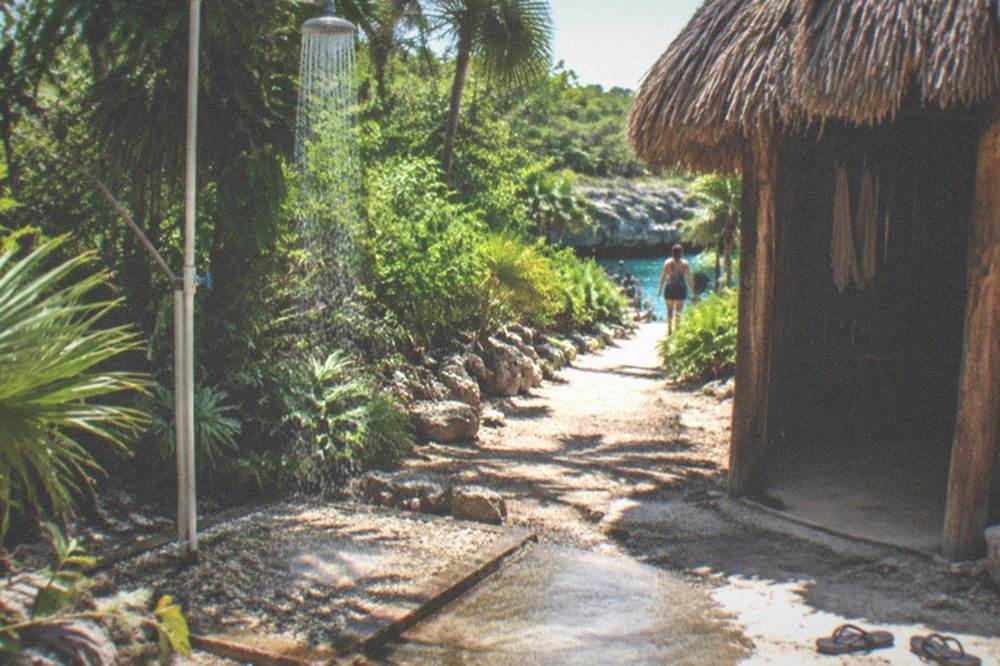
The rinse rule is not bureaucracy. These are closed freshwater ecosystems fed by the aquifer, and the pre-entry shower exists because sunscreen, lotion and deodorant residues are the main threat to them. Apply nothing before swimming and everything after you are done in the water for the day. Water shoes or grippy heel-strap sandals earn their place on the rocky limestone edges, though bare feet are often required in the water itself. The full packing logic is in our what to bring on a cenote tour guide.
For photographers, one fee warning: some cenotes charge an extra on-site camera or GoPro fee, typically 100 to 300 MXN cash, and drones are prohibited or heavily restricted at cenotes and are not permitted at the Tulum archaeological zone. Those camera policies vary site by site, so check at the gate rather than assuming. If the planning question behind your trip is bigger than one swim, the how many days in Tulum is enough piece places the cenote corridor inside a full Tulum itinerary.
Common Questions About The Best Cenotes In Tulum
Is Gran Cenote Worth Visiting?
Yes, for most visitors. Gran Cenote combines turtles, easy shallow swimming, cave sections and full facilities 4 km from town, at 500 MXN entry. It is the best first cenote in the corridor. The one real cost is crowds: arrive at opening and the visit earns its ranking, arrive at noon and you share the pools with tour groups.
Are The Cenotes In Tulum Worth It?
Yes, if clear freshwater swimming, cavern geology or diving interest you at all. The corridor offers six distinct experiences within 22 km, entry fees from roughly 100 MXN, and water clarity that ocean beaches in the region cannot reliably match during sargassum season, since cenotes are unaffected by it entirely.
How Much Does It Cost To Visit A Cenote In Tulum?
Between roughly 100 MXN at Car Wash and 500 MXN at Gran Cenote per person for independent entry, plus transport. A guided tour bundles transport, gear and logistics from $79 for a standalone snorkel product up to $199 for a private guided format, with the most popular multi-cenote tour at $129.88. Confirm current gate fees on arrival; they are set by each site and can change.
Which Cenote Is Best For Toddlers?
Casa Cenote, in most cases. It is open, calm and shallow-edged with brackish mangrove water, life jackets are commonly required or free for children under 12, and there are no jump platforms or deep cave sections. Zacil-Ha is the alternative when a waterslide and facilities would carry the afternoon; its entry is 200 MXN with the slide a separate 200 MXN add-on.
What Is The Most Beautiful Cenote In Mexico?
Beauty calls differ, but in the Tulum corridor the strongest spectacle case is Dos Ojos: two circular openings into a cavern system with visibility often reported beyond 30 metres. Gran Cenote wins the classic postcard look with turtles in sunlit water. Wider lists often name sites outside Tulum, so treat this as the corridor answer rather than a national verdict.