How Much Does It Cost To Visit A Cenote In Tulum?
The full budget answer to cenote costs in Tulum: solo entrance fees in MXN, the cheapest packaged tours, and the extras that catch visitors out.
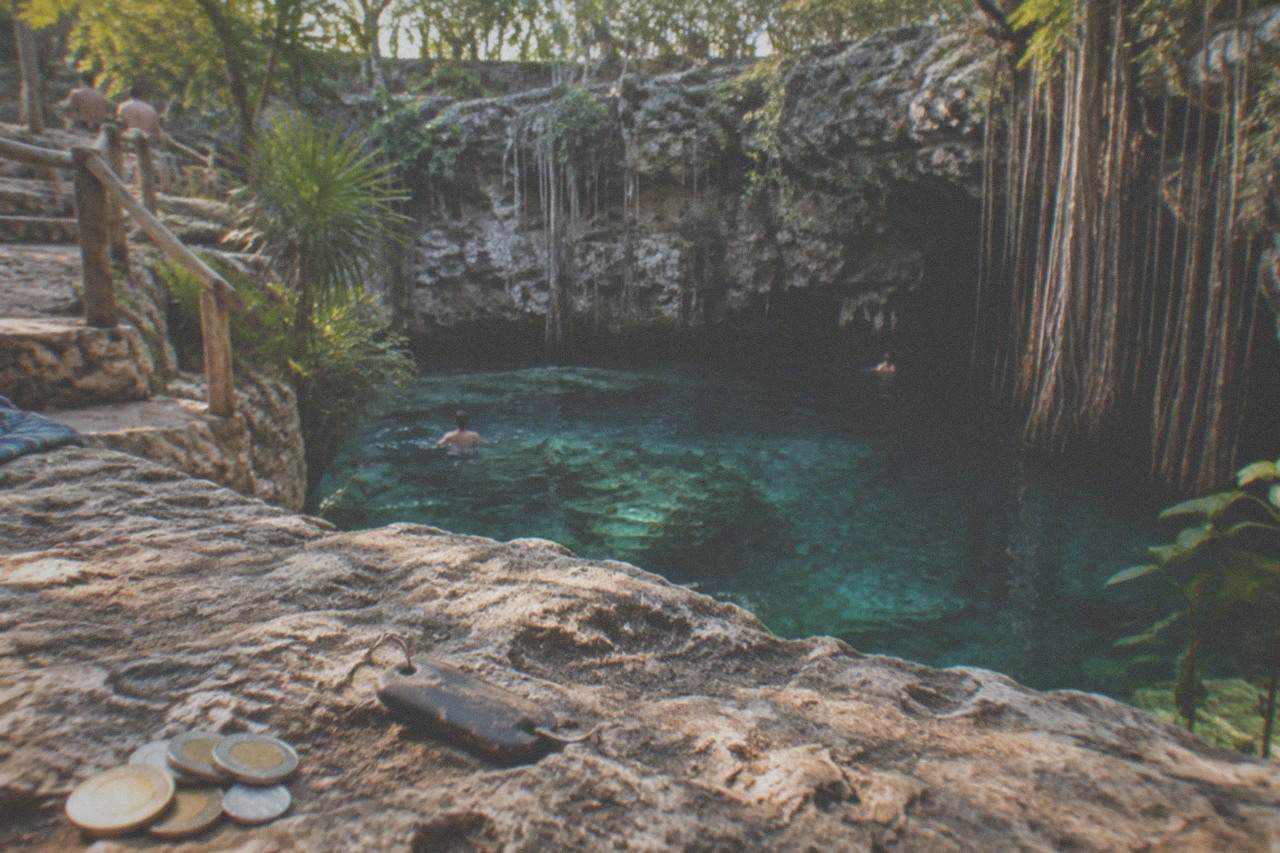
The gap between the cheapest and the most expensive way to swim in a Tulum cenote is bigger than most visitors expect. A standalone entrance at a small community-run site costs about 100 MXN, roughly $5, while a packaged half-day tour runs from $27 to $199 per person. The number you actually pay sits somewhere between those poles, and it depends on which cenote, which fees are bundled, and whether you are willing to carry cash in pesos.
This page stacks the real numbers against each other. The figures below come from verified listings on the current tour roster and from the site's verified fee research, with pesos first because that is what you pay at the gate. For a full planning picture, Tulum Cenote Tours keeps this budget data current across the whole corridor.
How Much Does It Cost To Visit A Cenote In Tulum?
Budget roughly 100 to 500 MXN per adult, about $5 to $27, to enter a cenote on your own near Tulum, plus transport and any add-ons. A packaged tour changes the math: the cheapest combo on the roster starts at $27 per person before on-site entrance fees, and the cheapest standalone snorkel tour starts at $79 with entries and gear typically bundled. Most visitors land between the two poles for a full cenote day.
The standalone route is the bare-bones option. You pay at the gate, in pesos, and you swim. The fee itself varies enormously by site: Car Wash, also called Aktun Ha, sits at the low end around 100 MXN, roughly $5, while Gran Cenote, the most famous swim on the Tulum corridor, charges about 500 MXN per adult, roughly $27 to $30. Dos Ojos runs 350 to 400 MXN for snorkeling, about $19 to $22. These are current reasonable figures rather than locked official prices; fees are set by each ejido or operator and can change, so confirm on arrival.
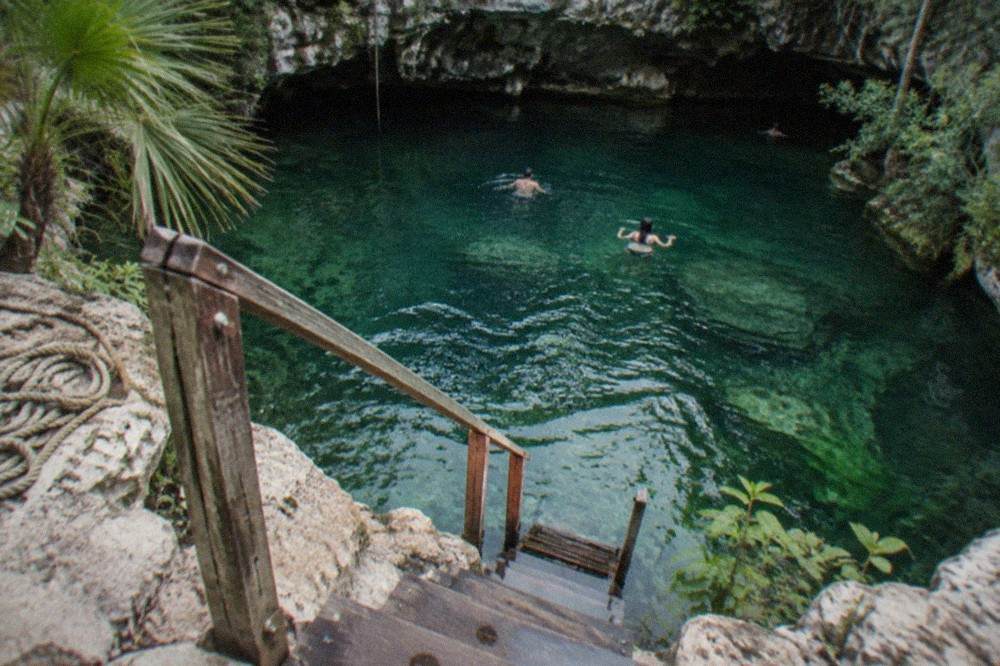
The packaged route swaps gate fees for a single ticket. The half-day Riviera Maya Tulum Ruins and 2 Cenotes tour starts at $27, currently the cheapest headline price anywhere on the roster, though its entrance fees and taxes of roughly $40 per adult are paid on site rather than folded in. Life vest and locker are included, which is one less line on the day's budget.
Then there is the middle of the market. Dedicated snorkel tours from Tulum run from $79 to $199, and private guided explorations top out the swim-only category. If you want the full breakdown of which site charges what, the Tulum cenote entrance fee guide carries the site-by-site table with hours and distances.
What Are The Individual Cenote Entrance Fees?
Gran Cenote charges about 500 MXN per adult, roughly $27, the highest gate fee in the area. Dos Ojos runs 350 to 400 MXN for snorkeling, roughly $19 to $22, Calavera about 250 to 300 MXN, and Casa Cenote about 150 to 200 MXN. Budget sites like Car Wash sit near 100 MXN, about $5. All figures are secondary-sourced and set by each site, so confirm on arrival.
Here is the fee landscape in one table. The pattern is simple: the more famous the cenote, the more it charges, and the eco-park style sites with facilities sit at the top of the range.
| Cenote | Entrance fee (MXN) | Approx USD | Best for |
|---|---|---|---|
| Gran Cenote | 500 MXN adult | ~$27-30 | Snorkeling, turtles, families |
| Dos Ojos | 350-400 MXN snorkel | ~$19-22 | Cavern views, diving, visibility |
| Calavera | 250-300 MXN | ~$13-16 | Jumping, adventure photos |
| Zacil-Ha | 200 MXN (+200 MXN slide) | ~$11 (+$11) | Families, waterslide |
| Casa Cenote | 150-200 MXN | ~$8-11 | Mangrove snorkeling, kayaking |
| Car Wash (Aktun Ha) | 100 MXN | ~$5 | Budget swims, relaxed exploring |
Cash rules the gate. Most cenotes require Mexican pesos, and card readers are reliable mainly at the big sites like Gran Cenote and Dos Ojos. Smaller community-run operations often cannot take a card at all, so the classic budget mistake is arriving with nothing but dollars on a phone wallet. Withdraw pesos in Tulum town before heading out; the ATMs near the cenotes themselves are sparse and the exchange rates are poor.
Guided cavern diving at Dos Ojos sits in a different bracket entirely, cited around 1,600 MXN, roughly $87, when bought at the gate as a dive package rather than through a dive shop bundle. That is why the dive products on this site's roster, from $179 to $230, are often the better structured deal: they bundle the access, the tanks, the guide, and the transport into one price instead of stacking fees at the window.
The ruins side of the corridor has its own fee story, and it is the one number here with a confirmed official government source. Entry to the Tulum archaeological zone together with the protected natural area costs 265 MXN for foreign visitors, roughly $14, and 80 MXN for Mexican nationals under the unified fee structure announced under Plan Tulum Renace, per the official Presidencia announcement. The adjacent Parque del Jaguar beach area is free to enter for everyone, with an optional 20 MXN electric shuttle inside.
How Much Does A Cenote Tour Cost Compared To Going Solo?
Going solo to one mid-priced cenote costs about 250 MXN, roughly $13, plus your own transport. A packaged tour runs $27 to $199 per person with entrances, gear, and often transport bundled. The solo route wins on price for a single cenote; the tour wins on cost per experience once you count taxi fares, snorkel rental, and the value of hitting two or three sites in one day.
Run the math for a pair of travelers and the comparison gets concrete. Two people visiting Gran Cenote alone each pay the 500 MXN adult entrance, roughly $27 to $30 per person, plus a taxi each way from Tulum town, plus any locker fee of around 50 MXN at the larger sites. A packaged tour at $79 to $129.88 per person covering multiple cenotes with transport, gear, and a guide frequently lands within a few dollars of the DIY total while removing three or four logistics decisions from your day.
| Tour | Headline price | Rating and reviews | What is bundled |
|---|---|---|---|
| Riviera Maya: Tulum Ruins and 2 Cenotes | from $27 | 4.4 from 1,166 reviews | Transport, vest, locker; ~$40 entry fees extra on site |
| Magical Cenote and Paradise Lagoon Snorkeling | from $79 | 4.9 from 886 reviews | Snorkeling at two water sites, hotel pickup available |
| Tulum Guided Tour, Magical Cenote, Lagoon Snorkeling | from $119 | 4.9 from 1,975 reviews | Ruins, cenote, lagoon, lunch; ruins entry ~$15 extra |
| Cenote Triple Adventure Tour | from $129.88 | 5.0 from 467 reviews | Three cenotes, snacks, water; lunch is a $15 add-on |
| Private Guided Cenotes and Underground River | from $199 | 5.0 from 171 reviews | Private guide, five hours, swim-level exploration |
The $27 combo deserves a plain-language explanation, because a headline that low invites suspicion. It is a real verified price, 4.4 from 1,166 reviews, but it works as a low base because the archaeological entrance fees and taxes, roughly $40 per adult, are collected separately on site rather than folded into the ticket. Add those in and it becomes a ruins-plus-two-cenotes half day with the fees stated plainly on both ends, still the strongest value on the entire roster for travelers staying between Playa del Carmen and Tulum.
At the other end, the private guided cenote and underground river exploration at from $199 buys a five-hour, two-person-minimum, swim-only cave adventure with a dedicated guide. It is the ceiling of the non-diving market, and for many visitors the middle of the range, the $79 to $129.88 snorkel tours, is where the value actually sits.
Whether the DIY route suits you at all depends on transport confidence and crowd tolerance. The visiting cenotes without a tour question gets its own full treatment, but the short version: it is entirely doable with a rental bike, taxi, or colectivo, and it is the only way to control which exact cenote you enter and when.
What Hidden Extras Push The Price Up?
Locker rentals run about 50 MXN at major sites, camera fees can add 100 to 300 MXN at some cenotes, the Zacil-Ha waterslide costs a separate 200 MXN, and a sunscreen violation can draw a fine up to 1,200 MXN. The Quintana Roo Visitax of roughly 283 MXN per foreign visitor is a state airport tax, separate from everything at the cenotes.
The sunscreen rule is the extra most likely to cost real money. Every cenote in Quintana Roo enforces a biodegradable, mineral-filter sunscreen-only policy, and a mandatory rinse at the site's freshwater shower station before entering the water applies everywhere. Some sites go further and ban all sunscreen, even the compliant kind. Conventional chemical sunscreen can mean refused entry and fines up to 1,200 MXN, roughly $65, at enforcing sites, and approved tubes sell on site for 150 to 350 MXN if you arrive with the wrong one. The cheapest strategy is a rash guard and no sunscreen at all until after your last swim.
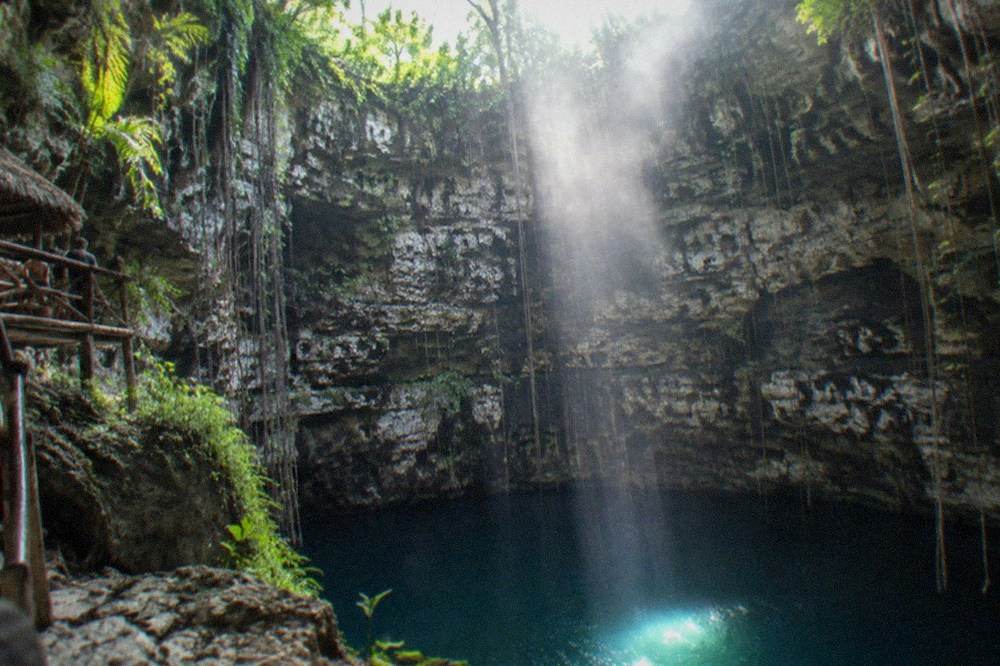
Life jackets are the quiet positive. They are commonly provided free at the major cenotes, and they are required or strongly recommended for children under 12 and non-swimmers at most sites. Where they are not automatic, rental runs roughly 0 to 50 MXN, about $3 at the top end. Camera policies vary more: bringing a professional camera or GoPro can incur 100 to 300 MXN at some sites, cash only, while drones are prohibited or heavily restricted at cenotes and not permitted at the Tulum archaeological zone.
Then the trip-level taxes that have nothing to do with the water. The Quintana Roo Visitax, approximately 283 MXN per non-Mexican visitor, is a state-level airport tax paid online in advance or at airport kiosks. It never appears at a cenote gate or a ruins window, so do not mentally stack it onto your cenote budget, but it belongs in the overall cost of the trip if you are accounting for everything.
One fee trap to know about in the adventure category, since it illustrates how headline prices work: the Tulum Jungle Park ATV, Zipline, and Cenote Adventure lists from $151 but excludes a mandatory 600 MXN per person park fee charged separately. State both figures, never the combined one. The lesson generalizes: whenever a tour price looks unusually low or the inclusions seem thin, the on-site fee line is usually where the difference lives, and the live listing will say what is and is not covered.
Which Cenote Tour Gives The Best Value For Money?
For pure snorkeling value, the Magical Cenote and Paradise Lagoon tour at from $79, 4.9 from 886 reviews, pairs two water sites in 3.5 hours. For cenote count, the Cenote Triple Adventure at from $129.88, 5.0 from 467 reviews, hits three cenotes in four hours with snacks and water, lunch a $15 add-on. The ruins-inclusive value pick is the $119 Tulum, Magical Cenote, and Yalku Lagoon day at 4.9 from 1,975 reviews.
The Yalku Lagoon day deserves its spot on the value podium because of its review base. At 4.9 from 1,975 reviews it is the most-reviewed product on the entire roster, and it covers the full Riviera Maya highlight set, ruins, cenote, lagoon snorkeling, and a beachside lunch, in 6.5 hours from $119. The Tulum ruins entrance of roughly $15 per person is extra, so read the price as the tour ticket plus that gate fee. For a first visit to the area, that is the package most travelers end up recommending to friends.
The triple adventure tour takes a different approach to value: depth in one category. Three cenotes in four hours, from $129.88, with snacks and water in the price, is the highest cenote-per-hour ratio on the roster, and its 5.0 from 467 reviews gives that claim some statistical backing rather than a thin pool. Lunch is deliberately unbundled at a $15 add-on, which keeps the headline down for travelers who would rather eat in Tulum town afterward.
Two smaller-operator notes for completeness. Discovering Breathtaking Cenotes in Tulum, from $149, is the only snorkel-category listing that names its stops, Dos Ojos and Casa Cenote, and it carries a 5.0 from just 7 reviews, a very small pool, so read the listing itself rather than trusting the rating. And the Cenote Trail Bike Tour, from $119 at 4.9 from 143 reviews, bundles urban bikes and helmets for a two-to-three cenote ride from Tulum town, a format that doubles as your transport budget.
What Does A Realistic Daily Cenote Budget Look Like?
A solo DIY day at one mid-priced cenote costs the entrance, about 250 MXN or $13, plus taxi fare and a possible 50 MXN locker. A tour-based day runs from $27 at the low end into the snorkel category above that, depending on bundle depth. A couple on a mixed two-day plan, one DIY morning plus one packaged tour, should budget the two ticket prices plus food beyond what the tours include.
Here is a worked budget table for one traveler, using the fee figures from the research above.
| Budget line | DIY solo day | Packaged tour day |
|---|---|---|
| Entrance | 250 MXN (~$13) at a mid-priced site | Bundled, or ~$40 on site at the $27 combo |
| Transport | Round-trip taxi or bike rental, varies | Included from most pickup zones |
| Locker | 50 MXN (~$3) at major sites | Included on several combos |
| Snorkel gear | Rental varies by site | Included on snorkel tours |
| Lunch | Street food in Tulum town | Included on some, $15 add-on on others |
| Total per person | Entrance plus transport plus food, in cash pesos | From $27 upward depending on tour |
The seasonal dimension matters less for price than most guides imply, but it matters for what your money buys. Cenote water stays 24 to 27 degrees C year round regardless of weather, so there is no cheap "cold season" discount window, and sargassum, the seaweed that shapes Tulum beach plans, never reaches cenotes at all since they are inland freshwater sinkholes with no ocean connection. What does shift is crowding: midday, roughly 10 AM to 2 PM, is when tour buses arrive and wait times peak, so an early entry buys you the same water with far fewer people for the identical fee. The best time to visit Tulum cenotes guide maps the quiet windows by month and hour.
Payment practicality closes the budget. Bring pesos in cash as the default, a card as backup only for the major sites, and keep small bills for lockers, waterslides, and camera fees. The sites with the best facilities charge for them, the community-run sites are cheap and cash-only, and nothing on this corridor reliably takes a card below the top two or three names.
How Do You Spend Less Without Ruining The Experience?
Pick one or two named cenotes and self-drive or bike rather than stacking three tour tickets, target the 100 to 250 MXN gate sites like Car Wash and Casa Cenote instead of Gran Cenote, arrive at opening to get more water time per peso, and skip add-ons like slides and lockers where the site allows it. A single well-chosen packaged tour often beats three cheap solo stops.
The single biggest saver is strategic, not cheap: deciding what kind of water day you actually want before paying. If you want one long relaxed swim, one entrance at a budget site plus a book and a towel is a genuinely great $8 day. If you want cavern spectacle, turtles, and variety, three solo entries at the famous sites will cost more than one tour that strings them together with gear and transport, and you will do the driving. Fee-chasing is how people end up at a site they did not care about because it was 100 MXN cheaper than the one they came for.
Rinse-off discipline is also a money strategy. The mandatory pre-swim shower exists at every site, and a traveler who showers properly, wears a rash guard instead of sunscreen, and applies nothing to their skin before swimming never pays the 1,200 MXN fine risk or buys the 150 to 350 MXN emergency tube at the gate. It is the only line item on this page that is entirely avoidable with a habit rather than a purchase.
The final lever is when, not what. Weekday mornings at opening, and shoulder months, carry the same fees with a fraction of the crowd, which effectively raises the value of every peso spent on entry. Midday at Gran Cenote in peak season can mean a wait to get in the water you paid 500 MXN to enter. The same 500 MXN at 8 AM buys an hour of near-empty swimming.
Common Questions About Cenote Costs In Tulum
How Much Does It Cost To Visit A Cenote In Tulum?
Standalone entrances run about 100 to 500 MXN per adult, roughly $5 to $27, depending on the site. A packaged tour runs from $27 for the cheapest combo, with roughly $40 in on-site entrance fees extra, up to $199 for a private guided exploration. Most full cenote days fall between those poles.
How Much Does It Cost To Go To A Cenote In Tulum?
At the gate, between roughly 100 MXN and 500 MXN per adult, about $5 to $27, with the fee set by each individual site and payable mostly in cash pesos. Add transport and optional extras like a 50 MXN locker. Fees can change, so confirm on arrival.
Can You Visit Cenotes Without A Tour?
Yes. Most Tulum-corridor cenotes sell entrance directly at the gate, and the solo route often costs less for a single stop. Tours earn their price once you add taxi fares, gear rental, and the value of a guide at two or three sites in one day.
What Is The Cheapest Cenote Tour From Tulum?
The Riviera Maya: Tulum Ruins and 2 Cenotes Half-Day Tour starts at $27, the lowest headline price on the current roster, at 4.4 from 1,166 reviews. Entrance fees and taxes of roughly $40 per adult are paid on site, so read the total as the $27 ticket plus those gate fees.
Do Cenote Prices Include Snorkel Gear?
On packaged tours, yes, mask, snorkel, and fins are typically bundled, and life vests are included on several combos. Going solo, gear rental varies by site and is an extra cost, which is one reason the $79 to $129.88 snorkel tours often beat the DIY math for travelers without their own kit.
Is The Cenote Entrance Fee Different For Divers?
It can be. Dos Ojos lists a guided cavern dive figure around 1,600 MXN, roughly $87, against 350 to 400 MXN for snorkeling. Dive-shop packages from $179 to $230 bundle site access, tanks, guide, and transport into one price instead.