What To Bring On A Cenote Tour In Tulum
Packing for a cenote tour in Tulum is mostly about two things: a short list of items the sites require, and a slightly longer list of items the limestone and the freshwater will punish you for bringing.
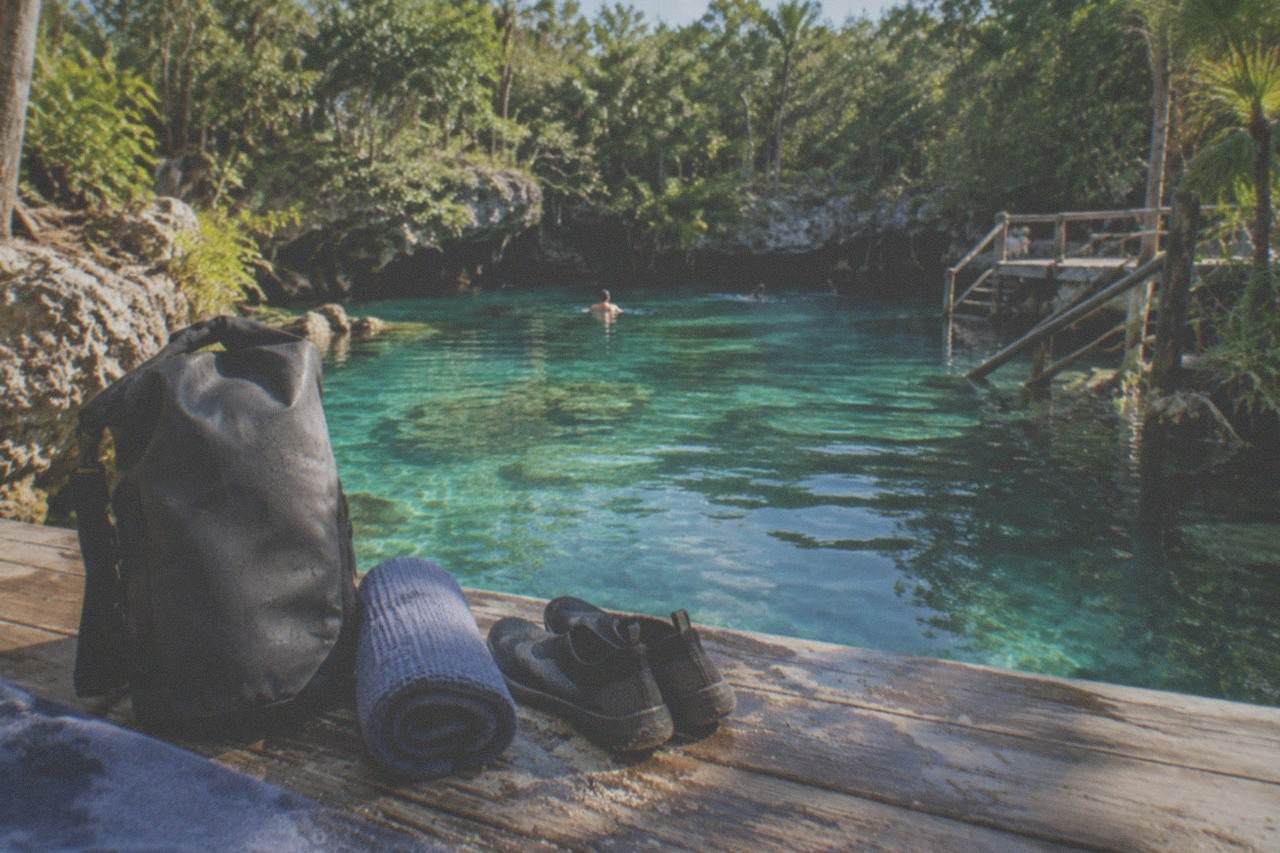
Short answer
Bring biodegradable sunscreen, water shoes or heel-strap sandals, a quick-dry towel, swimwear worn under clothes, cash in Mexican pesos for entrance fees of roughly 100 to 500 MXN and lockers of about 50 MXN, a rash guard, and a dry bag. Leave conventional sunscreen, bug spray, lotions and glass behind; every cenote enforces a mandatory rinse before entering.
Cenote water in the Tulum corridor stays 24 to 27 degrees Celsius year round, which is the single most useful fact for packing: you do not need a wetsuit for snorkeling, but you absolutely do need the right shoes, the right sunscreen and a pocket full of pesos. Every site in Quintana Roo enforces a biodegradable-only sunscreen policy with fines reported up to 1,200 MXN, and every site runs a mandatory rinse station at the gate. Those two rules shape more of your packing than anything else.
The practical layer underneath is simpler than most packing guides admit. Fees at popular sites run roughly 100 to 500 MXN in cash, lockers cost about 50 MXN where they exist, and the tours themselves, like the Cenote Triple Adventure Tour in Tulum, already supply masks, snorkels and fins. This guide walks through the full list, item by item, with the fee figures and the rules behind them.
What To Pack For A Cenote Tour In Tulum
The core list is short: swimwear worn under your clothes, a quick-dry towel, water shoes or heel-strap sandals, a rash guard, biodegradable sunscreen in a small tube, cash in Mexican pesos, a dry bag or ziplock for your phone, and a change of clothes. Tours supply the mask, snorkel, fins and usually a life vest, so most visitors pack less than they expect and regret only the things they skipped.
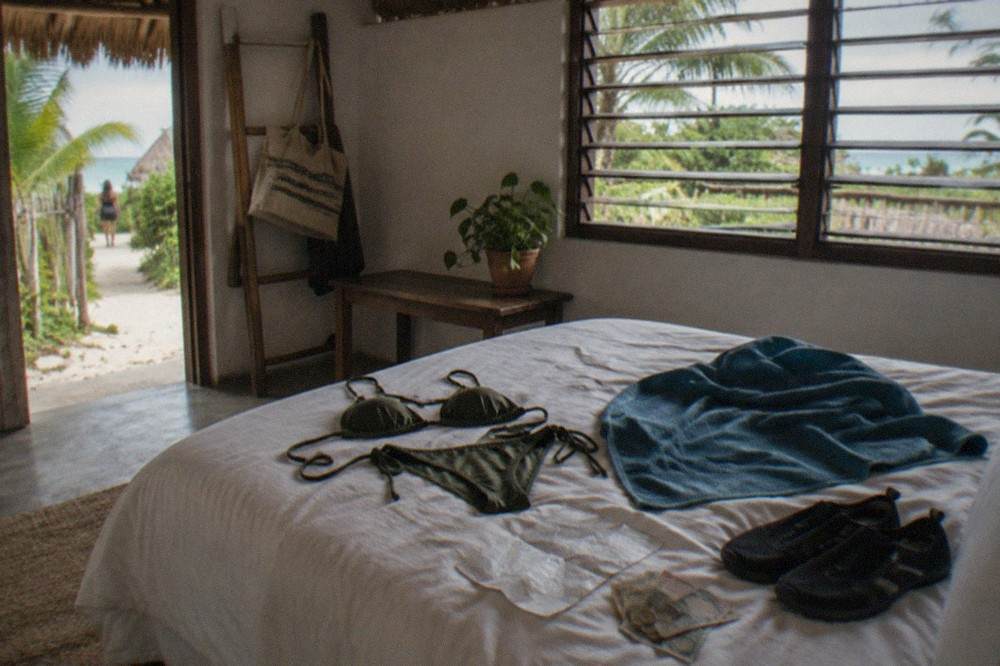
Start with the swimwear decision. Wear your suit under your clothes on tour morning. Changing facilities exist at the bigger sites like Gran Cenote and Dos Ojos, but they are basic at community-run cenotes, and a wet suit under dry clothes is the difference between a comfortable ride back and an hour in a damp van. A rash guard earns its place twice over: it cuts the need for sunscreen on your torso entirely, and it is warm enough for the 24 to 27 degree water on long snorkel sessions.
The towel matters more than people think. Quick-dry microfiber packs small and dries during the ride to your second cenote, which matters on multi-stop formats like the Cenote Triple Adventure Tour in Tulum, which visits three cenotes in four hours with snacks and water included. A dry bag or even a heavy ziplock protects your phone and keys; many sites charge a camera fee of roughly 100 to 300 MXN for professional cameras and GoPros, so check the specific site's policy on arrival rather than assuming.
| Item | Why | Notes |
|---|---|---|
| Swimwear (worn under clothes) | Fast transitions between cenotes | Basic changing rooms at major sites only |
| Quick-dry towel | Dries between stops | Microfiber packs smallest |
| Water shoes / heel-strap sandals | Rocky, slippery limestone entries | Bare feet usually required in the water itself |
| Rash guard | Sun protection without sunscreen | Warmth on long swims |
| Biodegradable sunscreen | The only sunscreen permitted | Mineral-filter, zinc oxide or titanium dioxide |
| Cash in MXN | Fees, lockers, add-ons | Card readers unreliable outside major sites |
| Dry bag or ziplock | Phone, keys, documents | Some sites sell waterproof pouches |
| Change of clothes | Comfort on the ride back | Leave in the vehicle on guided tours |
For a fuller treatment of what each item costs at the gate, the entrance fees guide for Tulum cenotes breaks the per-site figures down in detail, including which sites take cards and which are cash only.
Why Biodegradable Sunscreen Is The One Rule You Cannot Skip
Every cenote in Quintana Roo enforces a biodegradable, reef-safe, mineral-filter sunscreen policy, and the wrong tube can cost you entry plus a fine reported up to 1,200 MXN. Conventional chemical sunscreen is banned outright, a rinse-off shower before entering is mandatory everywhere, and some sites prohibit all sunscreen, even biodegradable versions, along with repellent and lotions.
The reason is chemistry, not bureaucracy. Cenotes are closed freshwater ecosystems fed by the aquifer, with no ocean connection and no flushing current; whatever washes off your skin stays in the water column and on the limestone. Zinc oxide and titanium dioxide sit on the skin rather than dissolving, which is why they are the approved filters. The rule is enforced with bag checks at some entrances, and approved small tubes sell on-site at many gates for roughly 150 to 350 MXN if you arrive with the wrong kind.
The rinse rule deserves its own sentence because it is universal and people skip it. Showering off any skin product, sunscreen, lotion or deodorant is required at every cenote in the region before you enter the water, and the stations are always at the entrance. Build five minutes for it into your morning, and keep the bug spray and body lotion at the hotel: apply them only after all water activities are finished for the day, never before.
The practical packing move is to bring the smallest biodegradable tube you can find and a rash guard, and rely on the shirt. On a tour like the Tulum Guided Tour, Magical Cenote, Lagoon Snorkeling and Beachside Lunch, which runs 6.5 hours and includes a lagoon snorkel alongside the cenote stop, the rash guard does most of the sun work and the sunscreen tube stays nearly full.
How Much Cash Should You Bring To A Cenote
Bring roughly 1,000 MXN per person beyond your tour price, in Mexican pesos. Entrance fees run about 100 MXN at Car Wash and up to 500 MXN at Gran Cenote, lockers cost around 50 MXN where offered, camera fees can add 100 to 300 MXN, and small sites take cash only, with card readers reliable mainly at Gran Cenote and Dos Ojos.
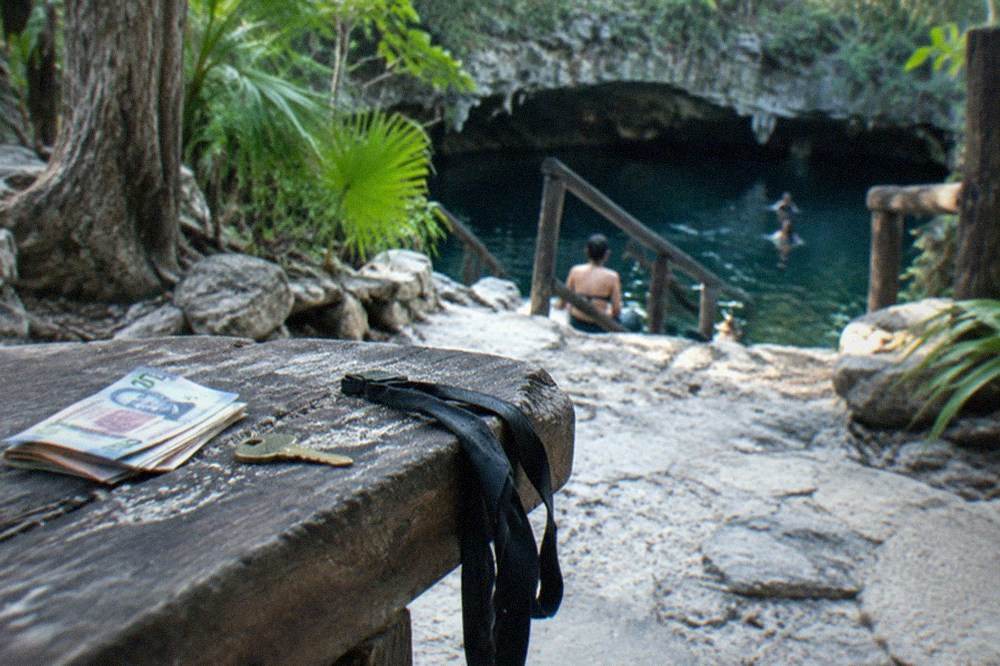
The headline tour price almost never includes the gate fees. On the Riviera Maya: Tulum Ruins and 2 Cenotes Half-Day Tour, for example, the from-$27 headline price is real but entrance fees and taxes of roughly $40 per adult are paid on-site, extra. Knowing that before you leave the hotel changes what you carry. The Tulum archaeological zone itself now charges a unified 265 MXN for foreign visitors and 80 MXN for Mexican nationals, covering the ruins together with the protected natural area, per the official Plan Tulum Renace announcement from the federal government.
Individual cenote fees are set by the ejidos and operators that run each site, and they can change; treat the figures below as current reasonable amounts and confirm on arrival. One thing that does not cost anything: the former Parque Nacional Tulum beach area, now Parque Nacional del Jaguar, is free to enter for everyone, with only an optional 20 MXN electric shuttle inside.
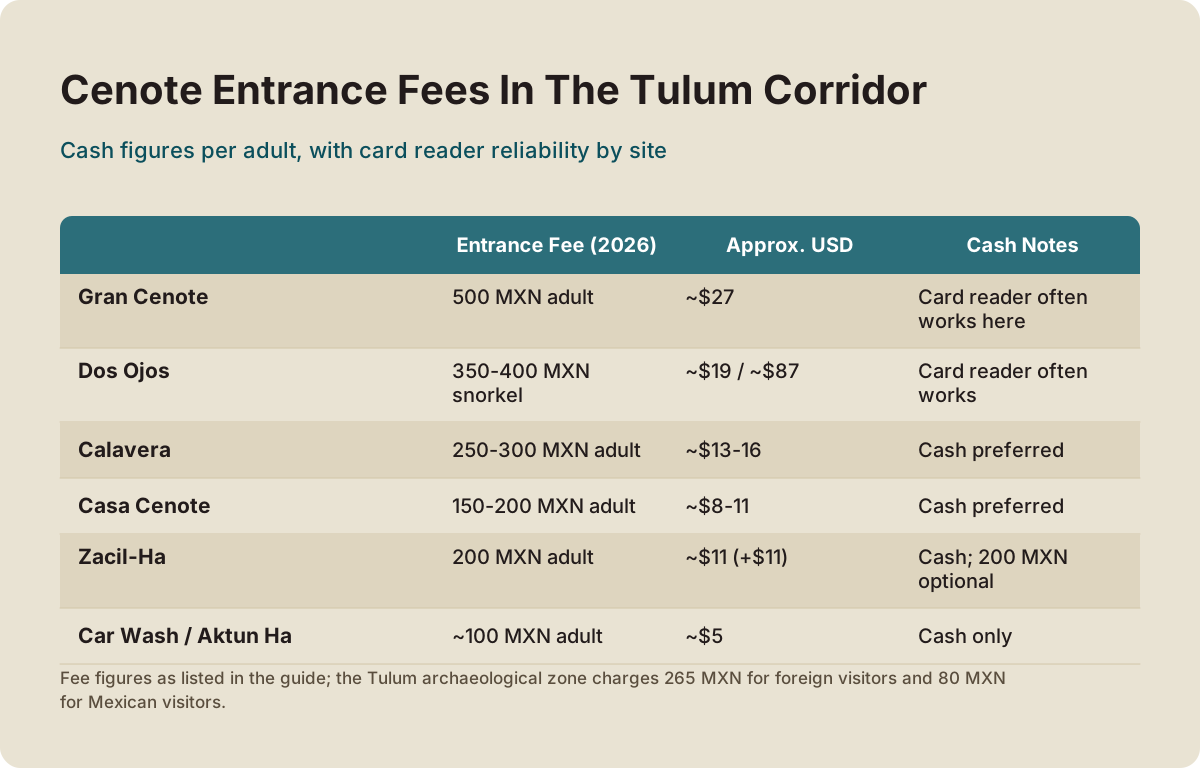
| Cenote | Entrance Fee (2026) | Approx. USD | Cash Notes |
|---|---|---|---|
| Gran Cenote | 500 MXN adult | ~$27 | Card reader often works here |
| Dos Ojos | 350-400 MXN snorkel; ~1,600 MXN guided cavern dive | ~$19 / ~$87 | Card reader often works |
| Calavera | 250-300 MXN adult | ~$13-16 | Cash preferred |
| Casa Cenote | 150-200 MXN adult | ~$8-11 | Cash preferred |
| Zacil-Ha | 200 MXN adult, plus 200 MXN optional waterslide | ~$11 (+$11) | Cash |
| Car Wash / Aktun Ha | ~100 MXN adult | ~$5 | Cash only |
Fees are set by the site or operator and can change, so confirm on arrival. If your day combines ruins and water, the Tulum ruins and cenote combo guide covers how the on-site fees stack across a full itinerary, and the Tulum Cenote Tours roster pages state plainly which products bundle fees and which leave them extra.
What Shoes And Clothing Work Best At Cenotes
Water shoes or grippy rubber sandals with a heel strap are the right footwear for cenotes, because the entries are wet limestone that is sharp and slick in equal measure. Bare feet are usually required in the water itself, so the shoes are for the walkways, stairs and rocky banks. Pack one quick-dry outfit per cenote stop and swimwear you can wear all day.
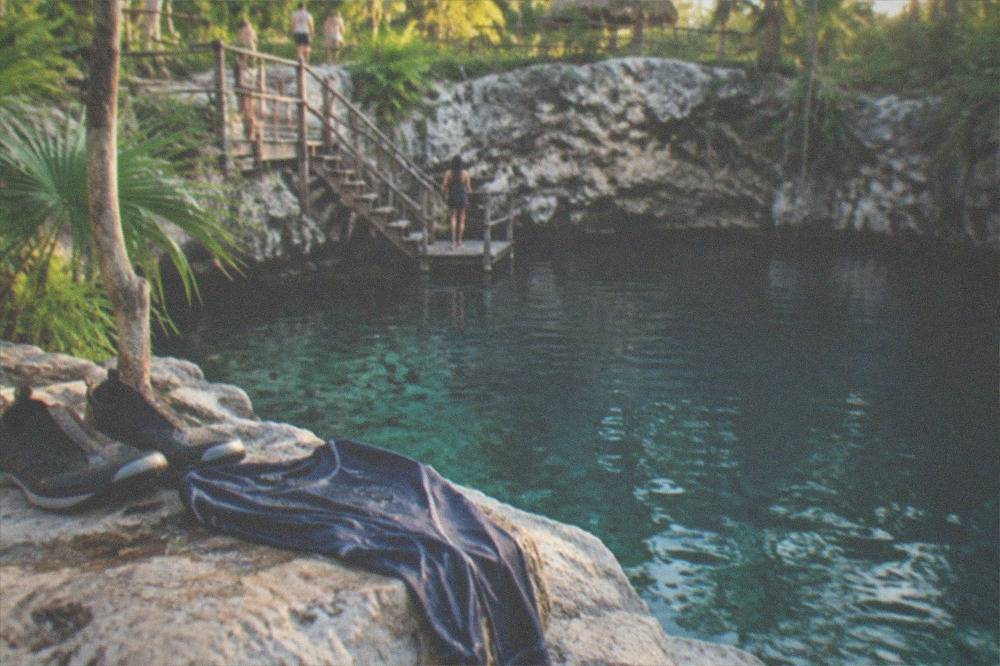
Flip-flops fail at cenotes for an obvious reason once you have walked one: they have no grip and no heel strap, and the stairs down to the water are wet limestone polished smooth by thousands of visitors. Thin-soled water shoes handle both the heat of the walkway and the rock underfoot. Some sites, particularly the cave-format ones, ask you to remove shoes before entering the water proper, which is a rinse-and-ecosystem rule more than a safety one.
| Situation | Best Choice | Why |
|---|---|---|
| Limestone stairs and walkways | Rubber-soled water shoes | Grip on wet rock |
| Sand and grass areas around open cenotes | Heel-strap sport sandals | Quick on and off |
| Inside the water at most sites | Bare feet, as usually required | Site rule, protects the ecosystem |
| Riding between stops on a tour | Whatever dries fastest | Zero-sock shoes beat sneakers |
| Full-day combo with ruins walking | Water shoes plus dry socks in the bag | Ruins paths are hot and dusty |
Clothing follows the same quick-dry logic. Cotton stays wet for hours in Tulum humidity, which is fine in the water and miserable in the van. Athletic synthetics or a simple rash guard over swimwear handle a full multi-stop day. On the Tulum: Cenote Trail Bike Tour, which rides urban bikes between two or three cenotes with helmets and bikes included, the packing calculus is the same list plus whatever you want on your feet for pedaling, which is exactly why the water shoe, not the sandal, is the safer bet.
A hat with a brim does real work on the open cenotes and the ride between them, and it costs nothing to pack. Sunglasses should be the cheap pair you will not mourn, because cenote jumping spots like Calavera claim a few pairs a week from visitors who forgot they were wearing them.
What Gear Your Tour Already Includes
Most guided cenote tours on this roster include mask, snorkel, fins and a life vest, plus transport and a guide, so you should not pack any of that. What tours vary on is lunch, towels and entrance fees: some bundle everything, some charge fees on-site. Read the specific listing's inclusions line before you pack a single item.
The variation is real and worth checking. The Cenote Triple Adventure Tour in Tulum runs 4 hours across three cenotes with snacks and water included, while lunch is a paid 15-dollar add-on, so a granola bar in the bag is cheap insurance. The Magical Cenote and Paradise Lagoon Snorkeling Adventure, from $79 and the cheapest standalone snorkel product on the roster, carries a 4.9 rating across 886 reviews on a 3.5-hour format with hotel pickup from Cancun and the Riviera Maya. Neither asks you to bring gear.
| Tour (from price) | Duration | Gear Included | Bring Cash For |
|---|---|---|---|
| Cenote Triple Adventure Tour in Tulum (from $129.88) | 4 hours | Snacks, water | Lunch add-on at $15; site fees where noted |
| Tulum Guided Tour, Magical Cenote, Lagoon Snorkeling and Beachside Lunch (from $119) | 6.5 hours | Beachside lunch, gear | Tulum ruins entrance at ~265 MXN foreign visitors |
| Magical Cenote and Paradise Lagoon Snorkeling Adventure (from $79) | 3.5 hours | Gear, transport | Site fees where noted |
| Tulum: Cenote Trail Bike Tour (from $119) | On the listing | Bikes, helmets | Site fees; no lunch stated |
Divers pack differently, and barely at all. The scuba products on the roster, like the Tulum: Discover Scuba Diving in Cenotes format at from $179, bundle tanks, weights and full gear into the package, so a certified diver brings a swimsuit, a towel and certification card. The cenote diving guide for Tulum covers the certification requirements in full if your day in the water goes deeper than snorkeling.
What Not To Bring To A Cenote
Leave conventional chemical sunscreen, insect repellent, body lotion, makeup, glass containers, food and alcohol out of your cenote bag. All are either banned at the gate or strip you of entry. Drones are prohibited at cenotes and at the Tulum archaeological zone, and professional cameras can trigger an on-site fee at some sites, so check before you pack the big lens.
The logic behind the ban list is the same closed-ecosystem logic behind the sunscreen rule. Insect repellent is the item people forget, because a morning in the mangroves around Casa Cenote genuinely tempts you to spray first, but repellent belongs on skin only after every water activity is done. Glass is banned near the water at every site for the obvious reason: broken glass in a freshwater pool does not flush out. Alcohol is banned near the water, and jumping or diving is only allowed where a site marks it.
| Item | Rule | Consequence |
|---|---|---|
| Chemical (non-mineral) sunscreen | Banned at every Quintana Roo cenote | Entry refused; fines reported up to 1,200 MXN |
| Bug spray, lotion, deodorant residue | Must be rinsed off; apply after water time | Mandatory rinse enforced at entrance |
| Glass containers | Not permitted near water | Confiscation at gate |
| Food and alcohol near water | Not permitted | Removal from site |
| Drones | Prohibited or heavily restricted | Standard INAH rule also covers the ruins zone |
| Professional camera / GoPro | Allowed at some sites with a fee | Roughly 100-300 MXN, cash, check on arrival |
Some sites go further than the general policy. Certain open cenotes in the region prohibit all sunscreen, including the biodegradable kind, along with repellent, makeup and lotions, so the safe packing default is the rash guard plus a hat and the assumption that you will rinse no matter what. Posted rules at each gate are the final word; read them, because policies differ by site and enforcement includes bag checks.
How To Pack For A Ruins And Cenote Combo Day
For a combined ruins and cenote day, pack the standard cenote kit plus sun protection for open walking, a dry outfit, and enough cash for both the archaeological zone fee and the cenote gate. The unified ruins fee is 265 MXN for foreign visitors, cenote fees run 100 to 500 MXN on top, and combo tours vary widely on which of those they bundle.
Combo days are the hardest to pack for because you cross two dress codes in one van ride. The ruins are hot, open and dusty with almost no shade; the cenote is wet, cool and strict about what is on your skin. The solution is layers you can shed: swimwear under quick-dry clothes, the rash guard doing double duty as sun coverage on the ruins walk, water shoes that survive both the dusty paths and the wet limestone. One small daypack holds all of it.
The tour choice determines the cash math. The Tulum Ruins and Cenote Guided Tour from Cancun runs 8 to 9 hours from the Cancun hotel zone, with Playa del Carmen, Riviera Maya and Tulum pickup also offered, and its cenote stop is Mariposa or Chen Ha with entrance and conservation fees extra. The From Riviera: Coba, Tulum Ruins, Cenote Mariposa & Lunch tour, from $82 with lunch included, departs Riviera Maya hotels in the Playa del Carmen area. Both ask you to carry the on-site fees, so the cash rule from earlier still applies, plus a little more for a longer day.
If your trip is flexible on dates, the best time to visit Tulum cenotes guide explains the crowd and weather trade-offs, including the quiet months, which change how early you need to arrive more than what you carry. For planning what a full trip costs, current cenote fee and hours reporting tracks the per-site figures, and the regional cenotes overview covers facilities site by site.
Does Weather Change What You Bring
Mostly no. Cenote water holds at 24 to 27 degrees Celsius year round regardless of season, surface weather or rain, so the water kit never changes. What weather does change is the dry stuff: a light rain layer in the June-to-October wet season, and awareness that sargassum affects ocean beaches, never cenotes, which are inland freshwater sinkholes with no ocean connection.
This is the packing question with the most misinformation attached to it. Cenotes do not get cold in winter or warm up in summer; the aquifer keeps the temperature steady, which is why a rash guard is a January item exactly as much as a July one. Heavy rain can briefly cloud open cenotes as runoff enters, while cave and cavern cenotes are largely unaffected, but that is a visibility point, not a packing one. Hurricane season runs June 1 to November 30 with the wettest statistical risk in September and October, and light rain rarely closes anything.
Sargassum deserves the direct sentence because it drives real packing confusion. The seaweed arrives on ocean beaches, and in 2026 it arrived early and heavily, with Tulum's beaches at a moderate 46 percent index in late September. Cenotes are completely unaffected year round; there is no ocean connection, so the sargassum trackers matter for your beach day and not your cenote day. Pack identically either way.
The one weather-driven addition that earns space in the bag is a cheap poncho or light rain shell in the wet season, purely for the walk between van and gate, and a dry plastic bag for the wet version of your clothes on the way home. Neither weighs anything. Everything else on the list is season-proof.
The packing difference between a half-day and a full-day tour is mostly food and patience. The Tulum Guided Tour, Magical Cenote, Lagoon Snorkeling and Beachside Lunch covers 6.5 hours with lunch built in, so your bag stays at the minimal end. Whatever you choose, read the inclusions line on the operator's live listing the night before, see the full tour option here and Check availability to confirm what the day includes.
Common Questions About Packing For A Cenote Tour
Do I Need Water Shoes For A Cenote Tour?
Yes, water shoes or grippy heel-strap sandals are the single most useful footwear item. Cenote entries are wet, sharp limestone, and the stairs are polished slick. Some sites require bare feet in the water itself, but the walkways and banks are where shoes matter.
Can I Bring Regular Sunscreen To A Cenote?
No. Every cenote in Quintana Roo permits only biodegradable, mineral-filter sunscreen, and conventional chemical sunscreen can mean refused entry plus a fine reported up to 1,200 MXN. Some sites ban all sunscreen, even biodegradable, so a rash guard is the safest sun protection.
How Much Cash Should I Bring To A Cenote?
Roughly 1,000 MXN per person beyond your tour price. Entrance fees run about 100 to 500 MXN depending on the site, lockers cost around 50 MXN where offered, and card readers are reliable only at the major sites like Gran Cenote and Dos Ojos.
Does My Tour Include Snorkel Gear And Towels?
Most guided tours on this roster include mask, snorkel, fins and a life vest, plus transport and a guide. Towels vary by operator and lunch is often an add-on, so check the inclusions line on the operator's live listing before packing.
Should I Bring A Towel Or Does The Cenote Provide One?
Bring your own quick-dry towel. Cenote sites provide rinse showers and basic changing facilities at best, and towels are rarely included. A microfiber towel packs small and dries between cenote stops on multi-stop tours.
Do Cenotes Get Cold In Winter, So Should I Pack A Wetsuit?
No. Cenote water holds at 24 to 27 degrees Celsius year round regardless of season or surface weather. A rash guard is enough warmth for long snorkel sessions, and wetsuits matter mainly for scuba, where most dive products already supply them.