Cenote Cristalino And Escondido: Two-Stop Snorkel Guide
Two open-air sinkholes on the Coba road corridor, a short drive apart, both built for short snorkel stops in genuinely transparent water. Here is how the pairing works, what it costs, and when to go.
Short answer
Cenote Cristalino and Cenote Escondido sit close together on the same Coba road corridor near Tulum, both open-air and both suited to a shorter clear-water snorkel stop. Current reported entrance pricing for this pair runs roughly 200-300 MXN per person, fees are set by each site and can change, so confirm on arrival.
What Are Cenote Cristalino And Cenote Escondido?
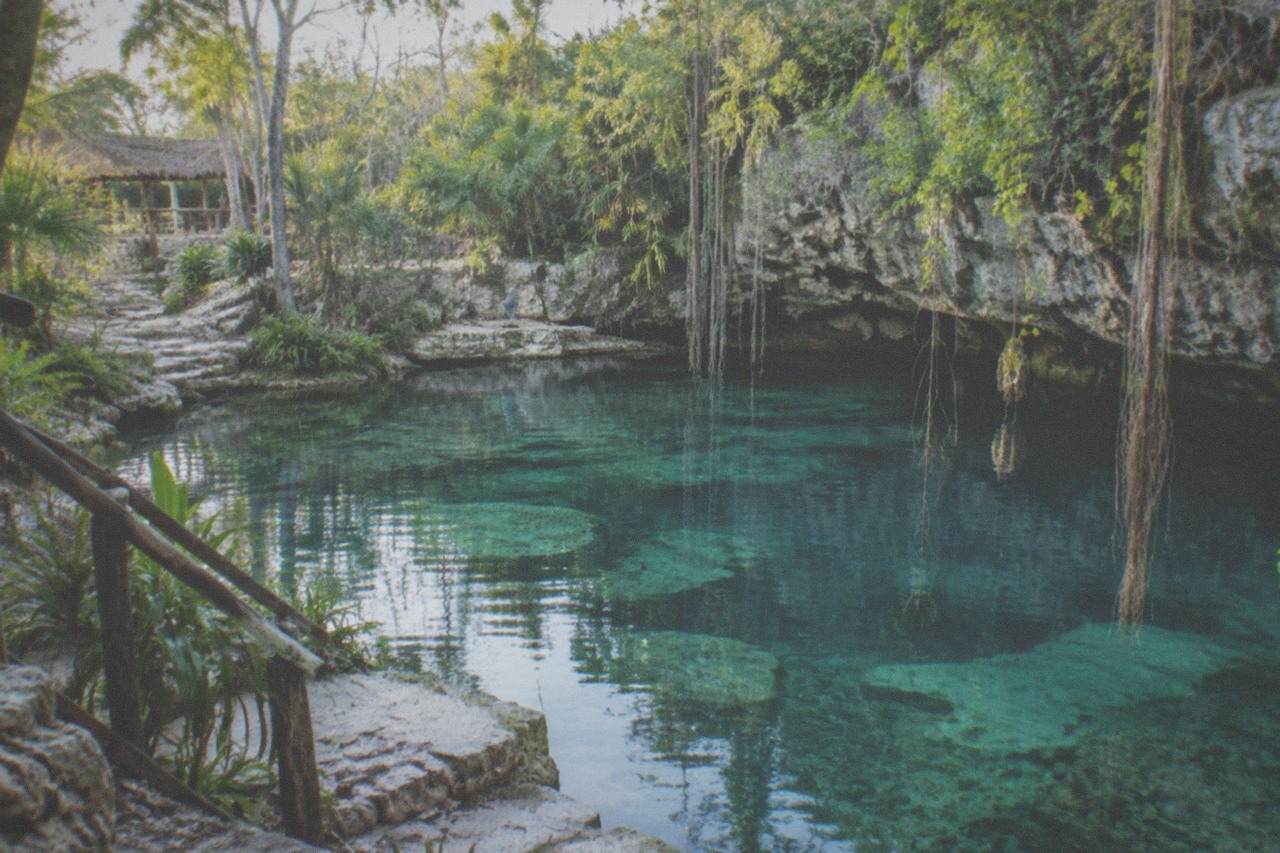
Cristalino and Escondido are two separate open-air cenotes on the same Coba road corridor out of Tulum, both known for transparent, sunlit water and easy swimming rather than deep cave systems. They are frequently paired in a single morning because the drive between them is short and neither demands a long visit, roughly an hour to ninety minutes per stop is typical.
Both are open cenotes, meaning the water surface sits in full daylight rather than inside a cavern. That changes the experience in a way that matters for snorkelers. Light reaches the water directly, so the visibility reads as glassy rather than dim blue, and you can see fish, rock formations and the slope of the limestone walls without a flashlight. Open cenotes also photograph far more easily than cavern sites, which is why this pairing shows up so often in the social feeds of travelers along the Tulum cenote corridor.
The pairing suits a particular kind of visitor: someone who wants a beautiful swim and a genuine snorkel without committing half a day. Neither stop involves a guided descent, a long walk or specialized equipment beyond a mask and fins. If your plan is a morning of clear-water swimming and an afternoon back in Tulum town, this is one of the most efficient combinations in the area, and our broader guide to cenotes near Tulum places both stops in the wider context of the corridor.
For travelers who prefer to hand the logistics to someone else, the snorkel category on this site covers exactly this style of visit. Tours such as the Magical Cenote and Paradise Lagoon Snorkeling Adventure and the Cenote Triple Adventure Tour in Tulum visit multiple clear-water stops with transport and gear handled, though each itinerary is set by the operator, so check the specific live listing for which cenotes a given departure includes.
Where Are Cristalino And Escondido, And How Do You Reach Them?
Both cenotes sit on or near the Coba road corridor west and north of Tulum Pueblo, the same stretch of Highway 109 that leads toward Gran Cenote, with drive times from town center in the range of 10 to 20 minutes depending on the site. A rental car, taxi or bike makes the pairing practical, and doing both in one morning is realistic with an early start.
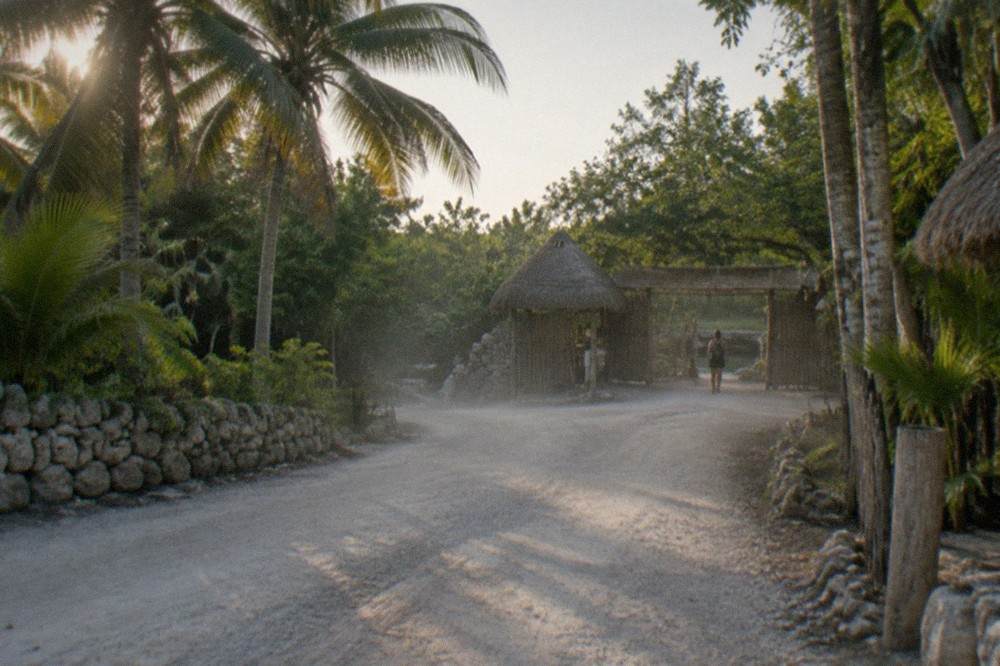
The Coba road corridor is the busiest cenote artery out of Tulum, and it is genuinely a corridor rather than a single destination. Gran Cenote sits close to town, roughly 4 km out, with Cristalino and Escondido further along the same direction of travel, both at distances that recent guides describe as a short drive or taxi ride from Tulum Pueblo. Because the sites cluster, the practical move is to treat the road as a route and string two or three stops together rather than doubling back. A useful comparison of the corridor's biggest stop is in our Gran Cenote guide, which explains how that site differs in scale and price from smaller open cenotes like this pair.
Getting there is straightforward by three routes. A rental car gives the most flexibility and lets you set your own timing at both entrances. Taxis from Tulum town are easy to arrange outbound, though agreeing a return pickup time in advance matters, since the sites sit outside town on a highway shoulder. Bikes work for confident riders, the corridor is flat and the distances are manageable, but midday heat and highway traffic make an early start the sensible version of that plan. There is no realistic public transport link, so independent visitors choose between wheels they bring and wheels they hire.
Timing shapes the whole day more than the drive does. Sites along this corridor typically open in the 8 to 9 AM window, and the quietest water belongs to whoever arrives first. Tour buses and group traffic build through the late morning, commonly between about 10 or 11 AM and 2 PM, and conditions ease again after roughly 2:30 PM at some sites. Two stops in one morning is the pattern the pairing rewards: first arrival at opening, a long unhurried swim at the first site, then a short hop to the second while day-trippers are still mid-journey.
For anyone weighing a guided day against driving, the snorkel options above split along clear lines. The Magical Cenote and Paradise Lagoon Snorkeling Adventure runs from $79 and covers about 3.5 hours with Cancun and Riviera Maya hotel pickup available, while the Cenote Triple Adventure Tour in Tulum meets in Tulum Centro, visits three cenotes across 4 hours and runs from $129.88 with lunch available as a paid add-on. The full-day end of the scale is the Tulum Guided Tour, Magical Cenote, Lagoon Snorkeling and Beachside Lunch, at 6.5 hours from $119 and the most-reviewed product on the entire roster. Which cenotes each itinerary includes is set by the operator and stated on the live listing.
What Do Cristalino And Escondido Cost To Visit?
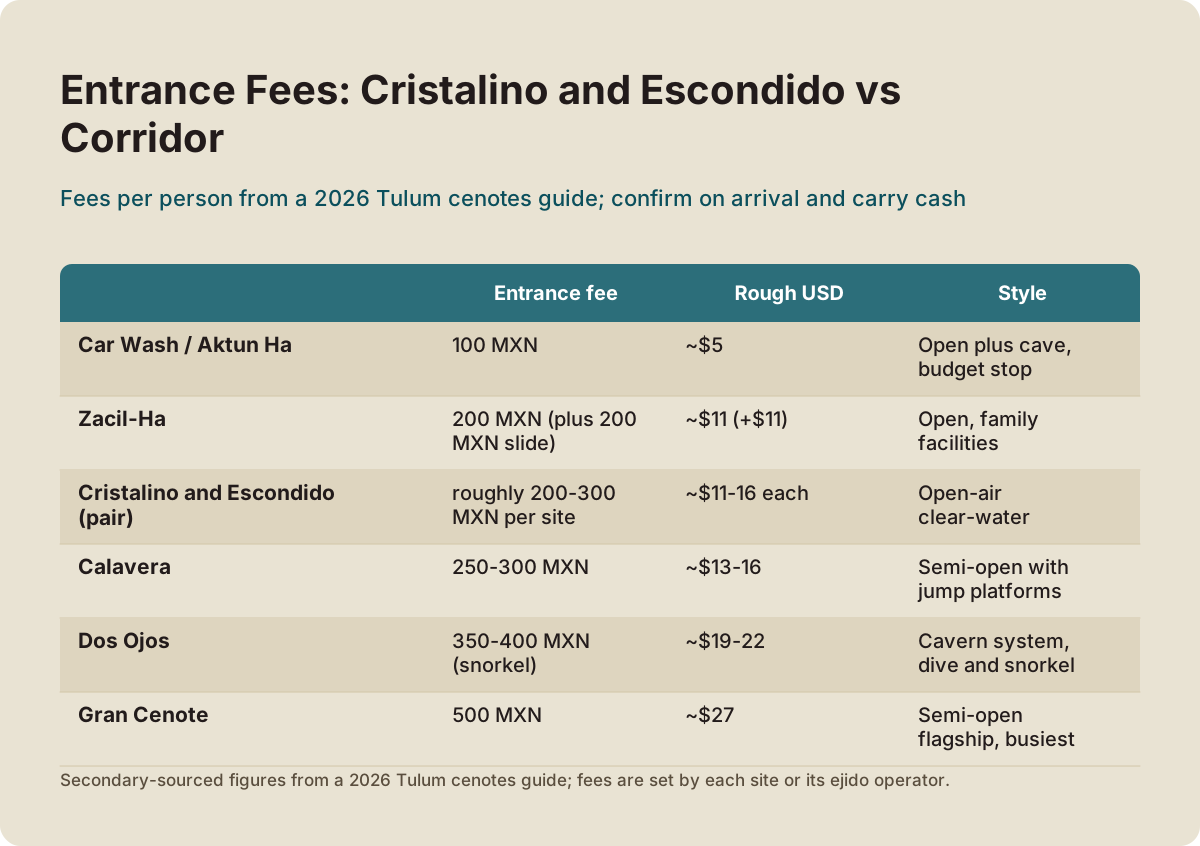
Current reported entrance pricing for the Cristalino and Escondido pair runs roughly 200-300 MXN per person at each site, which is where most smaller open cenotes on the corridor sit between the budget floor of Car Wash at around 100 MXN and Gran Cenote's 500 MXN. All these figures are secondary-sourced, fees are set by each site or its ejido operator and can change, so confirm on arrival and carry cash.
That fee band matters because the corridor has a real spread. The table below shows where the pairing sits against the better-documented neighbors, using the fee figures from a 2026 Tulum cenotes guide, current entrance pricing for the Tulum cenote corridor.
| Cenote | Reported entrance fee | Rough USD | Style |
|---|---|---|---|
| Car Wash / Aktun Ha | 100 MXN | ~$5 | Open plus cave sections, budget stop |
| Zacil-Ha | 200 MXN (plus 200 MXN optional waterslide) | ~$11 (+$11) | Open, family facilities |
| Cristalino and Escondido (pair) | roughly 200-300 MXN per site | ~$11-16 each | Open-air, clear-water snorkel stops |
| Calavera | 250-300 MXN | ~$13-16 | Semi-open with jump platforms |
| Dos Ojos | 350-400 MXN (snorkel) | ~$19-22 | Cavern system, dive and snorkel |
| Gran Cenote | 500 MXN | ~$27 | Semi-open flagship, busiest site |
Payment reality is worth planning for. Most cenotes on the corridor require or strongly prefer cash in Mexican pesos, and card readers are reported as reliable mainly at the major sites like Gran Cenote and Dos Ojos, less so at smaller open cenotes. Assume cash for both stops. Lockers are another variable: larger sites offer them for a small fee in the region of 50 MXN, while smaller and community-run sites often have none at all, so travel light or plan to keep valuables in the car with a driver.
One more cost sits outside the sites themselves and belongs in trip planning rather than on a cenote price line: Quintana Roo's visitor tax, roughly 283 MXN per foreign visitor, is paid online in advance or at airport kiosks. It is a state-level airport tax, not a cenote or ruins entrance, so do not let anyone present it as a gate fee. Within the sites, the only extras worth budgeting are the locker, the optional camera fee that some cenotes charge for professional or GoPro gear, in the reported range of 100-300 MXN, cash only, and the rinse-and-rules overhead covered below.
If adding up entrances, taxis, gear hire and the morning's food starts to look close to a tour price, that comparison is fair and worth making. Guided snorkel products start at $79 on this site's roster, with transport and logistics folded in, and most carry free cancellation on the live listing.
Which Is Better For Snorkeling: Cristalino Or Escondido?
The honest answer is that the pairing works because the two stops are complementary rather than competitive, both are open-air with sunlit, transparent water, and the difference between them is one of scale, layout and atmosphere rather than a quality gap. Recent guides describe both as clear-water stops suited to a shorter visit, which makes the practical question less "which one" and more "in what order."
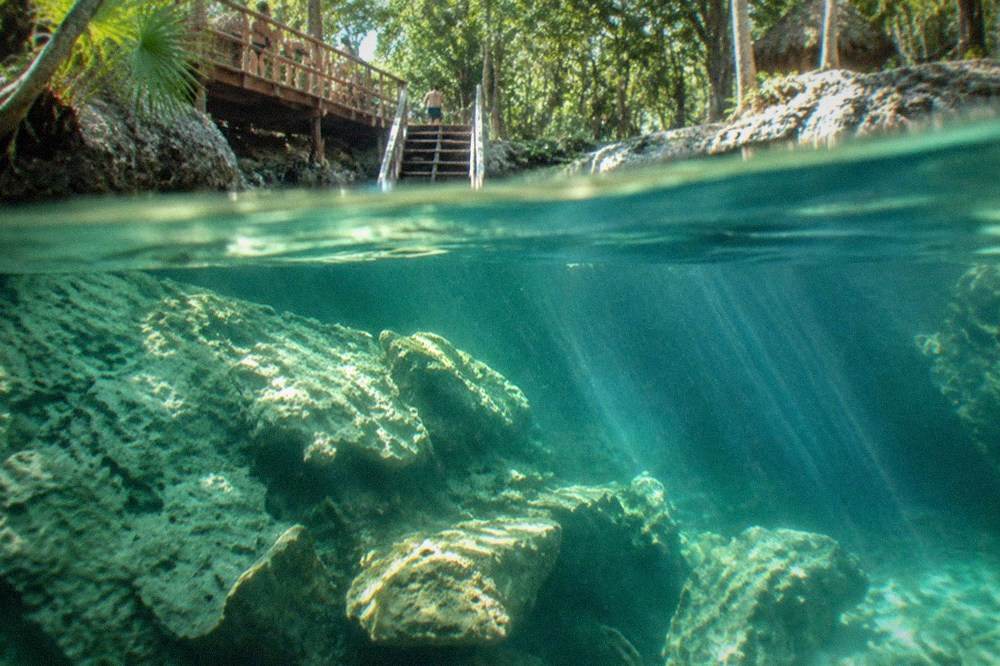
What snorkelers should calibrate expectations on is what open cenotes do well and what they do not. Transparency is the headline: open-air sites on this corridor are fed by the freshwater aquifer, and general reporting on open cenotes near Tulum consistently highlights the clarity of their sunlit water. What they do not offer is the cavern drama of a site like Dos Ojos, whose snorkel experience runs through a cave system that our Dos Ojos guide covers in full, with reported visibility often cited at extraordinary ranges. If your mental picture of cenote snorkeling is light beams and open water, this pairing delivers it. If your picture is stalactites in a cavern mouth, you want the cavern corridor instead.
The comparison that actually drives the decision is effort and crowd tolerance against time. The table below frames the trade honestly, using the category-level facts available rather than inventing specifics the research does not carry.
| Factor | Cenote Cristalino | Cenote Escondido |
|---|---|---|
| Type | Open-air sinkhole, sunlit water | Open-air sinkhole, sunlit water |
| Reported fee band | Roughly 200-300 MXN | Roughly 200-300 MXN |
| Water character | Clear, calm, good for relaxed snorkeling | Clear, calm, good for relaxed snorkeling |
| Best stop length | About 60-90 minutes | About 60-90 minutes |
| Suits | Snorkelers, first-time cenote visitors | Snorkelers, visitors pairing multiple stops |
| Reported depth data | Not verified for this site | Not verified for this site |
Two honest gaps in the table deserve stating plainly. The research files used for this guide do not carry verified depth figures for either site, and no article on this site will print one. Similarly, any claim that a specific named tour visits either Cristalino or Escondido would be dishonest: the only snorkel product on the roster whose listing names its cenote stops is the Discovering Breathtaking Cenotes in Tulum tour, which names Dos Ojos and Casa Cenote. For everything else in the snorkel category, including the Magical Cenote and Paradise Lagoon adventure, the itinerary's actual stops are on the live listing, and multi-stop tours in this category typically include open, clear-water stops like these. Check the specific listing before booking with a particular pair in mind.
Order-wise, most independent visitors simply start with whichever opens first on their route and finish at the second before the midday traffic builds. The pairing's flexibility is the point: because neither site demands more than about ninety minutes, a bad crowd at the first stop does not sink the morning.
Can You Do Both Cenotes In One Morning?
Yes, comfortably. Both stops sit on the same corridor with a short drive between them, each suits about 60 to 90 minutes in the water and out, and a morning that starts at opening fits both with a buffer before midday crowds arrive. The plan below assumes a self-driving or taxi day starting at the 8 to 9 AM opening window.
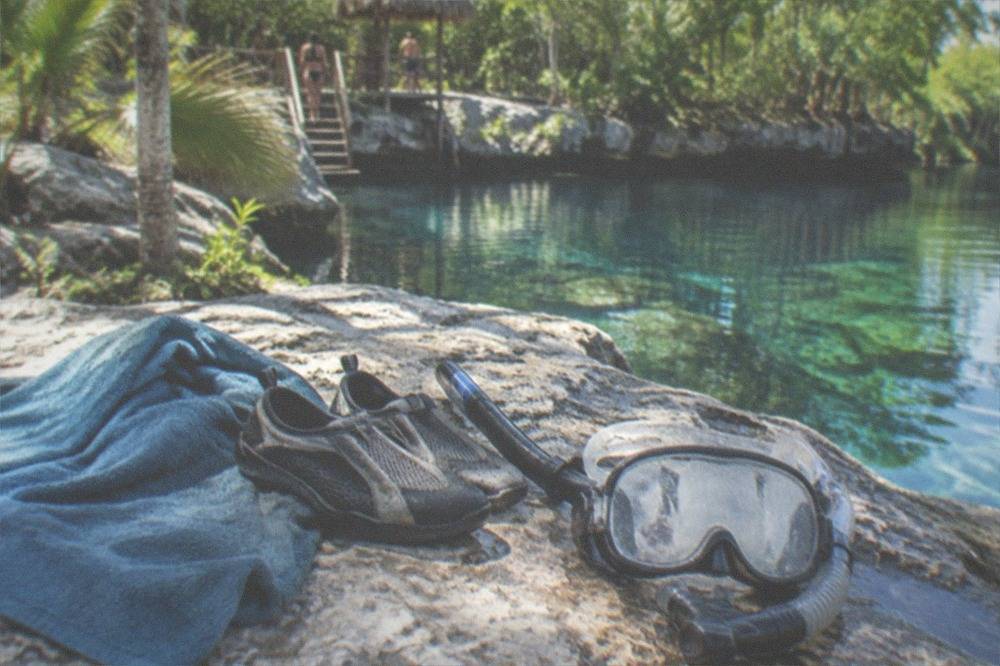
The sample schedule is deliberately conservative on crowds and generous on water time. The pattern that the logistics research consistently reports is simple: earliest arrivals get the quietest sites, group traffic builds from late morning, and conditions often improve after about 2:30 PM. A two-stop morning rides the front of that curve.
| Time | Stop | Notes |
|---|---|---|
| 8:00-8:15 AM | Arrive first cenote at opening | Quietest water of the day, parking easiest |
| 8:15-9:45 AM | Snorkel and swim, first site | Rinse before entering, cash for the fee |
| 9:45-10:15 AM | Drive to second cenote | Short corridor hop, no backtracking into town |
| 10:15-11:30 AM | Snorkel and swim, second site | Beating the main 11 AM-2 PM tour-bus window |
| 11:30 AM onward | Lunch back in Tulum or on the corridor | Done before peak heat and peak crowds |
A few practical notes keep the schedule honest. The mandatory pre-entry rinse at the rinse station applies at every cenote, so build in five minutes at each gate. Fees are paid per person per site, so the pair costs two entrances. And if the second stop looks crowded on arrival, the corridor gives you a rare luxury in cenote country: alternatives within minutes, whether that is the budget stop at Car Wash at around 100 MXN, the jump-focused Calavera, or the flagship Gran Cenote at 500 MXN, all covered in our roundup of the best cenotes in Tulum.
For travelers without a car or without the will to negotiate two entrance gates before lunch, the guided route compresses all of this into one booking. The Cenote Triple Adventure Tour in Tulum, 4 hours from $129.88 with a 5.0 rating across 467 reviews, is built around exactly this style of multi-stop morning, meeting in Tulum Centro and covering three cenotes with snacks and water included, lunch available as a paid $15 add-on. Its specific stops are named by the operator on the live listing rather than assumed here.
What Should You Bring, And What Rules Apply At The Gate?
Bring a mask, snorkel and fins if you have them, cash in pesos for both entrances, water shoes with grip for the limestone, a quick-dry towel, a rash guard for sun and nothing that violates the sunscreen policy. Every cenote in the area requires biodegradable or reef-safe mineral sunscreen only, with a mandatory pre-entry rinse, and some sites go further and ban all sunscreen, even biodegradable products.
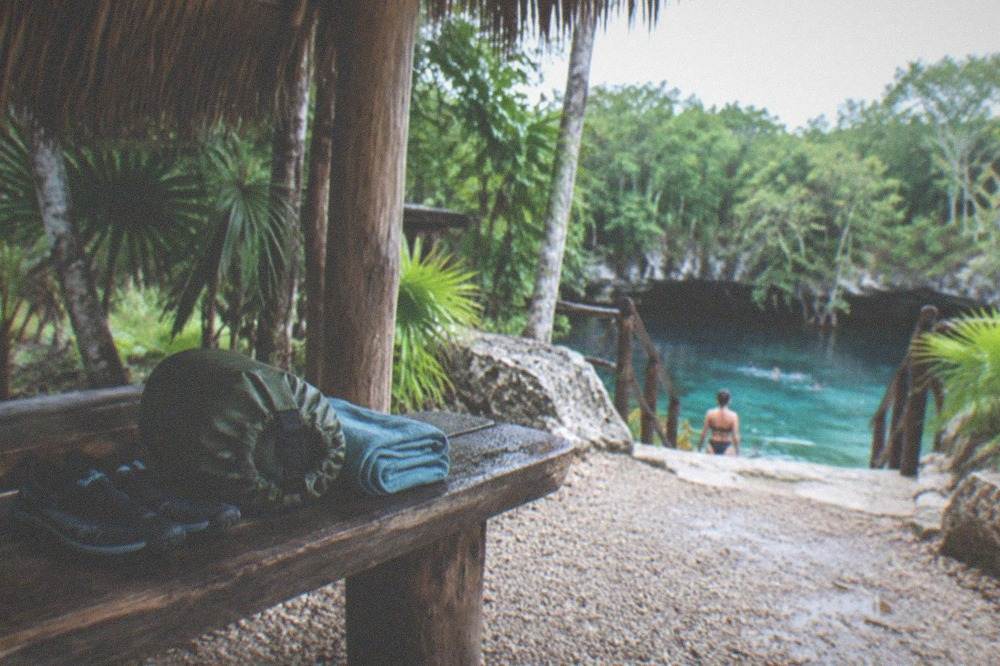
The sunscreen rule is the one that catches visitors out, and it is enforced rather than advisory. Conventional chemical sunscreen can draw refusal of entry and reported fines of up to 1,200 MXN at enforcing sites, and the pre-entry rinse-off shower at every cenote is universal, not optional, covering lotion, deodorant and any skin product, not just sunscreen. Some open sites in the region prohibit all sunscreen plus repellent, makeup and lotions outright, so the safe packing rule is simple: bring a mineral-filter product, expect to rinse regardless, apply nothing until after your last swim of the day, and read the posted rules at each gate because policies genuinely differ site to site.
| Item | Why | Note |
|---|---|---|
| Mask, snorkel, fins | The pairing's whole point is underwater clarity | Some sites rent; quality varies |
| Cash in MXN | Both fees, plus locker or camera fee if used | Readers unreliable at smaller sites |
| Water shoes with heel strap | Rocky, slippery limestone edges | Bare feet often required in the water |
| Quick-dry towel and rash guard | Open-air sites mean full sun between swims | No sunscreen on the skin in the water |
| Dry bag or minimal valuables | Lockers not guaranteed at smaller sites | Roughly 50 MXN where offered |
Beyond the gate rules, the standard safety expectations apply across the corridor. Life jackets are required or strongly recommended for children under 12 and for non-swimmers at most sites, commonly provided free at major cenotes or rentable for a small fee. No food, alcohol or glass near the water, and no jumping or diving except at marked spots. These are general corridor rules rather than a claim about either specific site, so treat posted signage at each entrance as the binding version.
Are Cristalino And Escondido Good For Beginners And Kids?
Yes, the pairing is among the friendlier introductions to cenote swimming in the area, both stops are open-air, calm, sunlit and suited to shorter visits, which suits first-timers, families and cautious swimmers far better than deep semi-cavern sites. Families with very young children should still check our dedicated guidance, since age-based suitability varies by site policy and by what a family actually wants from a stop.
The reasons the pairing suits beginners are structural. Open-air water means no dark zones, no overhead passages and no depth drama of the kind that makes some sites feel like a commitment, and the shorter ideal stop length of roughly 60 to 90 minutes matches a child's attention span for cold-water swimming better than a half-day site does. Sunlit water also means a nervous swimmer can see everything around them, the bottom, the walls, the fish, at all times, which is a genuinely reassuring property for first-time snorkelers.
Two caveats keep that honest. First, water in the region's cenotes holds steady at roughly 24 to 27 degrees C year round regardless of season, which most adults find mild and some children find bracing on first entry, so the first five minutes set the tone, and a rash guard helps. Second, site-by-site child policies, including life jacket rules and any age minimums for snorkel gear rental, are set locally, and the research behind this guide does not carry verified per-site details for either cenote, so ask at the gate rather than assuming. For deeper family planning, including which sites handle toddlers best, see our guide to which cenote is best for toddlers.
Guided tours handle the beginner question differently and often better. The Magical Cenote and Paradise Lagoon Snorkeling Adventure, from $79 with a 4.9 rating across 886 reviews, includes Cancun and Riviera Maya hotel pickup, which removes the drive, the parking and the two-gate problem entirely, and its 3.5-hour format is close to the ideal attention span for a family's first cenote day. Whether its specific stops match this pairing is stated on the operator's live listing.
Should You Visit Independently Or Book A Snorkel Tour?
Visit independently if you have a car, want to control your own timing and are comfortable carrying cash for two entrances, the pair costs roughly 400-600 MXN per person in fees plus transport. Book a tour if you are staying without a car, want gear and logistics handled, or are pairing the morning with something bigger, guided options run from $79 to $119 on this roster, most with free cancellation.
The independent route is cheaper at the gate and less flexible in practice. Two entrances at roughly 200-300 MXN each land at around 400-600 MXN per person, and a rental car or taxis add cost and scheduling on top. What you buy with that is full control: your arrival time, your stop length, your order. What you give up is gear quality certainty, since rental kit at smaller sites varies, and the error margin, a wrong turn or a late start eats straight into the quiet-water window the whole plan depends on.
The tour route is the stronger fit for most visitors staying in Tulum town without a car or along the Riviera Maya and Cancun hotel zones, since pickup is included on the major products. The three flagship options split cleanly. The Magical Cenote and Paradise Lagoon adventure is the short, cheap baseline at $79 and 3.5 hours. The Cenote Triple Adventure Tour stacks three cenotes into 4 hours from $129.88. The Tulum Guided Tour, Magical Cenote, Lagoon Snorkeling and Beachside Lunch is the full-day version at 6.5 hours from $119, with Cancun and Riviera Maya hotel pickup, the Tulum ruins entrance fee at roughly $15 per person extra, and the deepest review pool on the entire roster at 4.9 across 1,975 reviews. Its cenote and lagoon stops are listed on the live listing.
One pairing note for divers, since this is a snorkel guide but the corridor hosts both: certified divers considering the corridor's cavern systems should read our Tulum cenote diving guide before mixing a dive day with a snorkel morning, as certification requirements differ sharply between the two activities.
Whichever route you take, the two decisions that matter most are the start time and the honesty about what you want. An opening-hour arrival at an open, clear-water cenote is one of the most reliable experiences on this coast, and Tulum Cenote Tours exists to help you make exactly that call with real numbers rather than guesswork.
Common Questions About Cenote Cristalino And Escondido
How Much Does It Cost To Visit A Cenote In Tulum?
Across the corridor, current reported entrance fees run from about 100 MXN at budget stops like Car Wash up to 500 MXN at Gran Cenote, with most popular sites in the 200-400 MXN band. Cristalino and Escondido sit around the 200-300 MXN mark each. Fees are set by each site or its ejido operator and can change, so confirm on arrival and carry pesos.
Are Cristalino And Escondido The Same Cenote?
No, they are two separate open-air cenotes on the same corridor near Tulum, both known for transparent, sunlit water. They are frequently visited together because the drive between them is short and each suits a shorter stop of about 60 to 90 minutes.
Can You Swim And Snorkel Without A Tour?
Yes. Both sites admit independent visitors who pay the entrance fee at the gate. You will need your own transport, cash in pesos, and a mask and snorkel if you want one, since rental gear quality varies at smaller sites. Guided tours bundle transport, gear and entrance logistics for travelers who prefer not to drive.
Is Sunscreen Allowed At Cristalino And Escondido?
Only biodegradable, mineral-filter sunscreen is permitted at Tulum-area cenotes, and a pre-entry rinse at the site's rinse station is mandatory for everyone. Some sites in the region go further and ban all sunscreen, even biodegradable versions, so read the posted rules at each gate before applying anything.
How Long Should You Spend At Each Cenote?
About 60 to 90 minutes per stop is typical for open, clear-water sites like these, which is exactly why the pairing works as a single morning. Arrive at the opening window, swim the first site before tour traffic builds, then make the short hop to the second.
Are The Cenotes In Tulum Worth It?
For clear-water swimming and snorkeling, the corridor delivers one of the most reliable experiences on the coast, and the water holds steady at roughly 24-27 degrees C year round. Whether the headline sites are worth their higher fees compared with quieter pairs like this one is the question worth asking, and it is one this guide's fee table is designed to answer.