Riviera Maya Cenotes: How Tulum Compares
The Riviera Maya holds hundreds of cenotes spread along the Quintana Roo coast, and the Tulum corridor sits at its southern end, closest to the densest cluster of swimmable sinkholes. This guide compares the regions, prices, and tour products so a Riviera Maya-based reader can pick the right departure point and the right day trip.
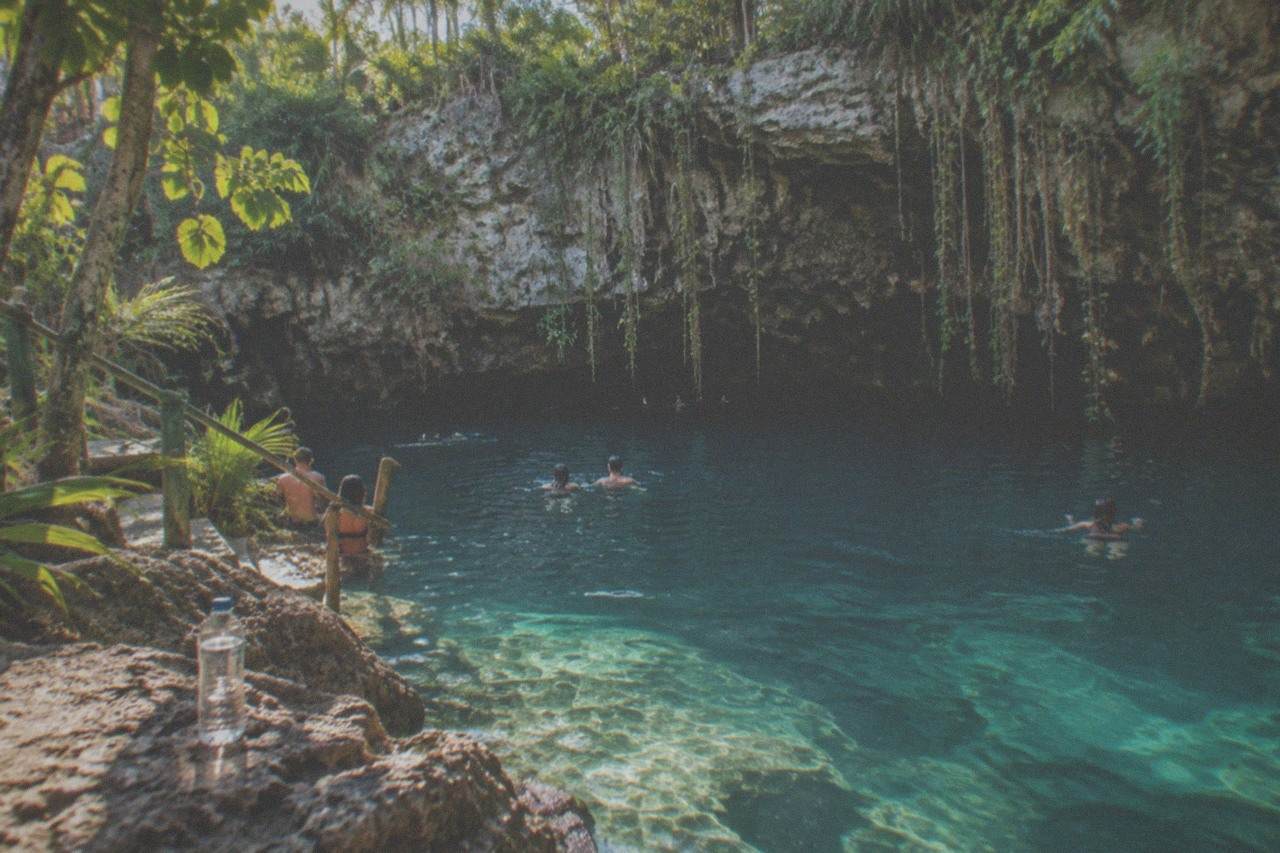
Short answer
The Tulum corridor packs the Riviera Maya's most accessible cenotes within 20 minutes of town, including Gran Cenote at 500 MXN and Dos Ojos at 350-400 MXN for snorkeling. Combo tours run from $27 to $89 depending on departure point, with Cancun departures taking 8 to 9 hours and Riviera Maya departures around half a day.
Where The Riviera Maya Cenote Corridor Runs
The Riviera Maya cenote corridor runs from Puerto Morelos, south of Cancun, down through Playa del Carmen, Akumal, and Tulum, a long stretch of coastline underlaid by the same limestone shelf. Rainwater dissolved that shelf over millions of years, leaving thousands of sinkholes, caves, and caverns, many mapped and only some open to swim. Tulum sits at the densest southern end.
The practical difference for a traveler is concentration. Around Playa del Carmen, cenotes like the ones at Ruta de los Cenotes sit scattered inland, usually reached by rental car or taxi. Around Tulum, the sites stack up along two roads: Highway 307 running north toward Dos Ojos and Casa Cenote, and the Coba road running west toward Gran Cenote, Calavera, Car Wash, and Zacil-Ha. A reader based anywhere in the Riviera Maya can reach the Tulum cluster in a single morning.
That concentration is why this site focuses on Tulum. The corridor is narrow there, a few hundred meters wide in places, and tours can string multiple sites into one day. The Tulum ruins and cenote combo tour guide covers the pairing in detail, and this page widens the lens to the whole region.
One more framing note before the comparisons. The Riviera Maya's cenotes divide into four broad types, open pools, semi-open sinkholes with cave sections, cavern and cave systems, and mangrove-connected brackish sites. The Tulum corridor is unusual in having all four within a 15-kilometer radius, which is the single biggest reason tour operators base themselves there.
How The Tulum Corridor Compares To The Rest Of The Riviera Maya
Tulum wins on density, access, and variety: Gran Cenote, Dos Ojos, Casa Cenote, Calavera, Car Wash, and Zacil-Ha all sit within 20 minutes of town, spanning every cenote type from open pools to guided cavern dives. The Playa del Carmen and Puerto Morelos stretch offers more isolation but demands more driving, with cenotes scattered along inland routes. Cancun itself has almost no swimmable cenotes, which is why every Cancun-departing cenote tour drives south.
The comparison matters most for readers deciding where to sleep or where to start a day trip. A Playa del Carmen or Riviera Maya hotel base puts you within striking distance of both regions, and the combo products on this roster reflect that.
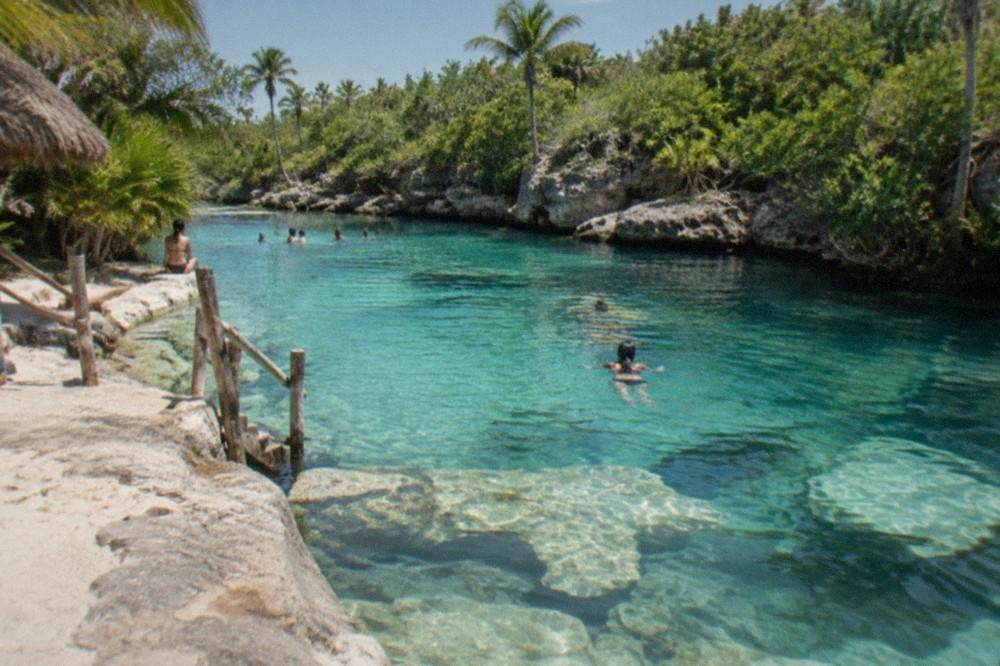
| Region | Cenote density | Signature sites | Typical tour style | Best for |
|---|---|---|---|---|
| Tulum corridor | Highest on the coast, 6+ named sites within 20 min of town | Gran Cenote, Dos Ojos, Casa Cenote, Calavera | Half-day combos, snorkel tours, cavern dives | First-timers, families, divers |
| Playa del Carmen / Akumal | Scattered inland, more driving between sites | Cenote Azul, Cristalino area, Cenote Mariposa near Coba road | Shared minivan combos, private tours | Readers wanting fewer crowds per site |
| Puerto Morelos / Ruta de los Cenotes | Wooded inland route, 7+ sites along one road | Verde Lucero, La Noria, Siete Bocas | Self-drive, bike, small-group tours | Independent travelers with a car |
| Cancun | Almost none swimmable locally, all tours drive south | None native, tours visit Tulum-corridor sites | Long full-day excursions, 8-9 hours | Cruise and hotel-zone visitors |
The pattern in that table drives the whole roster on this site. The Riviera Maya-departing combos, the ones picking up from Playa del Carmen area hotels, split their time between the Tulum archaeological zone and cenote stops reached from the Coba road, and they do it in half the time of a Cancun-departing day.
Here are the three combo products that cover the most ground for the widest range of Riviera Maya readers, from a budget Playa-del-Carmen departure to a full Cancun excursion:
All three pair ruins with cenotes, and all three are discussed in depth in the sections below, including what each price does and does not cover.
What A Riviera Maya Cenote Combo Day Costs
Expect to pay $27 to $119 per adult for the tour itself, but the headline price rarely tells the whole story. The Riviera Maya: Tulum Ruins and 2 Cenotes half-day tour starts at $27 and adds roughly $40 per adult in on-site entrance fees. The Coba, Tulum Ruins, Cenote Mariposa and Lunch combo starts at $82 with lunch included, while Cancun departures start at $89 for an 8-to-9-hour day.
The honest way to compare these products is all-in cost, not sticker price. A cheap headline with heavy on-site extras can cost more than a pricier-looking tour that bundles entrances and lunch, so read the extras column before judging the number.
| Tour | Departs | Headline price | What is extra on site | Rating |
|---|---|---|---|---|
| Riviera Maya: Tulum Ruins and 2 Cenotes | Riviera Maya hotels | From $27 | Entrance fees and taxes, roughly $40 per adult; life vest and locker are included | 4.4 from 1,166 reviews |
| Coba, Tulum Ruins, Cenote Mariposa and Lunch | Riviera Maya, Playa del Carmen area hotels | From $82 | Lunch is included; archaeological fees may apply on site | 4.5 from 94 reviews |
| Tulum Ruins and Cenote from Cancun | Cancun hotel zone | From $89 | Cenote entrance and conservation fees, cenote is Mariposa or Chen Ha | 4.6 from 2,606 reviews |
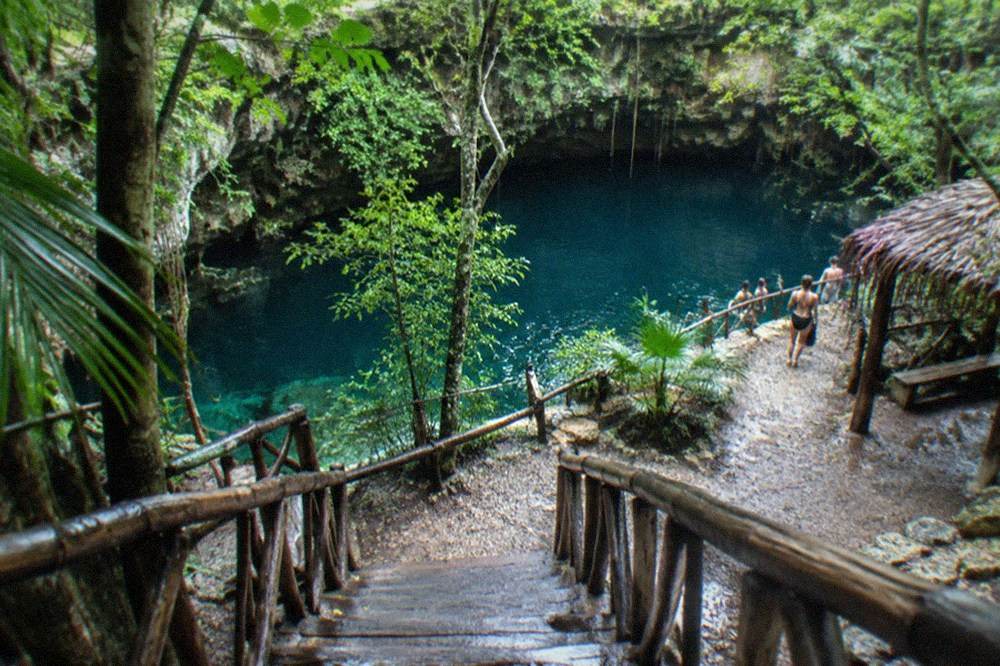
For the ruins portion of any combo, the entrance fee structure changed in 2026. A federal decree published in July unified access to the Tulum archaeological zone and the adjacent protected natural area at 265 MXN for foreign visitors and 80 MXN for Mexican nationals, replacing the earlier January increase to 209-210 MXN foreign / 105 MXN national under the INAH-only scheme. The official announcement from the Mexican presidency confirms both figures, and it also made the neighboring Parque del Jaguar free for everyone. Reporting on the earlier increase is covered in this fee-history piece.
Whether that fee sits inside your tour price or is paid at the gate depends on the product. The Riviera Maya 2-cenotes combo states plainly on its listing that entrance fees and taxes are paid on-site, roughly $40 per adult. The ATV combo excludes the archaeological site government tax of 500 MXN per person, paid at the site. The Cancun departure notes entrance and conservation fees as extra at its cenote stop. Budget accordingly: the headline price is a floor, not a ceiling.
The Coba, Tulum Ruins, and Cenote Mariposa combo is the strongest mid-range value on the roster for Riviera Maya readers. Lunch is included, the tour runs both the Coba archaeological site and the Tulum ruins, and the cenote stop is a named site, Mariposa, rather than a vague "two cenotes" promise.
Which Cenote Types Sit Along The Riviera Maya
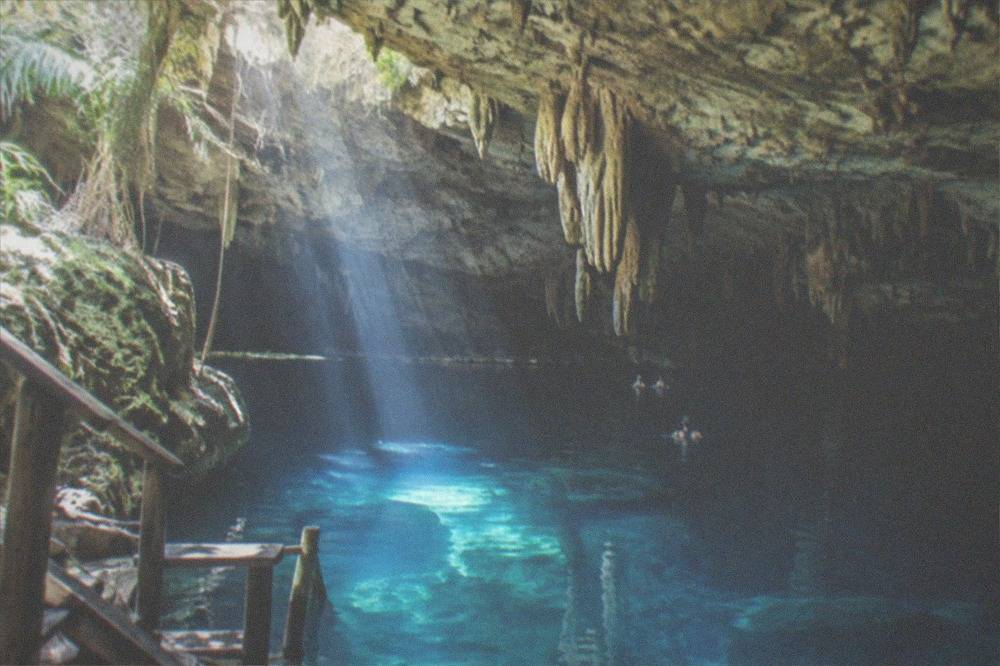
The Tulum corridor holds all four cenote types within a short drive: open pools like Zacil-Ha, semi-open sites with cave sections like Gran Cenote, full cavern systems like Dos Ojos, and brackish mangrove-connected sites like Casa Cenote. Farther north along the Riviera Maya, the mix leans toward open and semi-open inland pools, easier to reach but lacking the cavern architecture that makes the Tulum corridor famous.
Those per-site fees are set by each ejido or operator and can change without notice, so treat them as reasonable current figures and confirm on arrival. They are secondary-sourced and flagged for a second read in this site's research records.
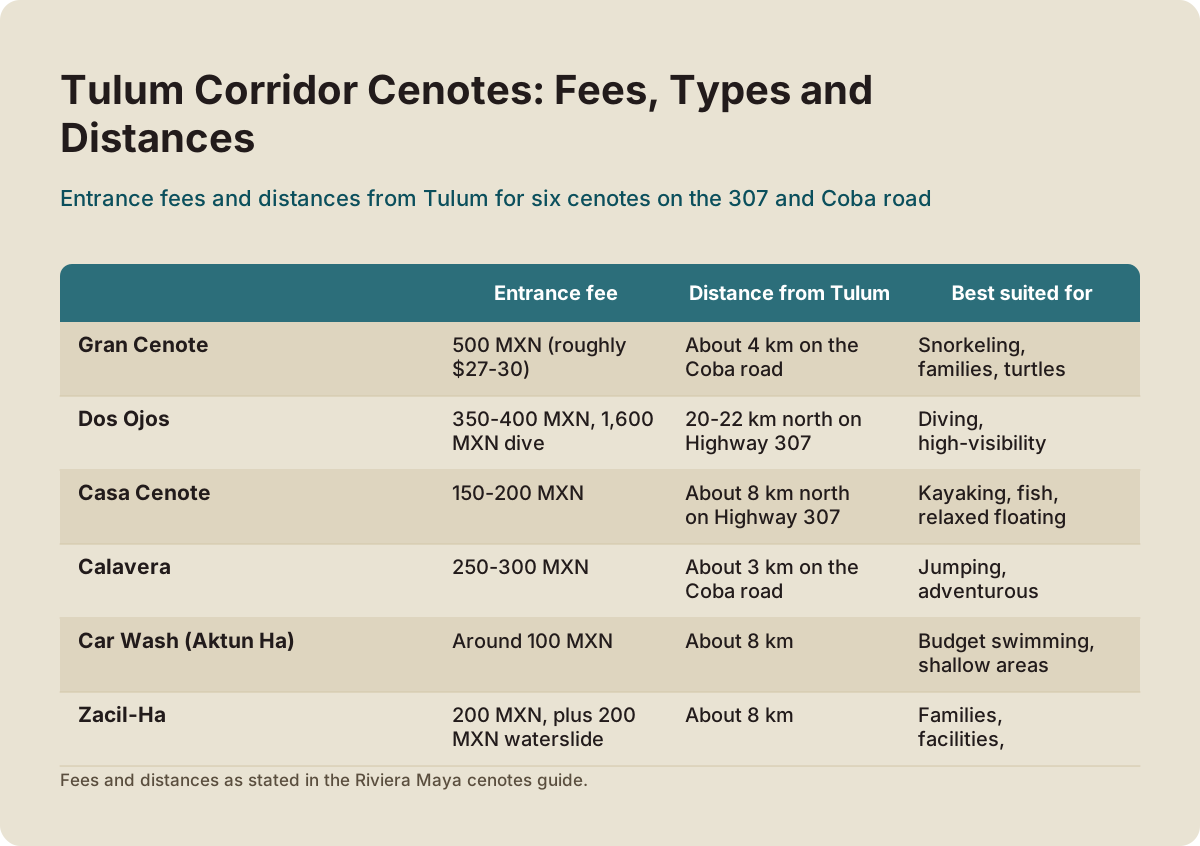
| Cenote | Type | Entrance fee | Distance from Tulum | Best suited for |
|---|---|---|---|---|
| Gran Cenote | Semi-open with cave sections | 500 MXN (roughly $27-30) | About 4 km on the Coba road | Snorkeling, families, turtles |
| Dos Ojos | Cavern system, part of Sac Actun | 350-400 MXN snorkel, around 1,600 MXN guided cavern dive | 20-22 km north on Highway 307 | Diving, high-visibility snorkeling |
| Casa Cenote | Brackish mangrove river | 150-200 MXN | About 8 km north on Highway 307 | Kayaking, fish, relaxed floating |
| Calavera | Semi-open with jump platforms | 250-300 MXN | About 3 km on the Coba road | Jumping, adventurous swimmers |
| Car Wash (Aktun Ha) | Open with cave sections | Around 100 MXN | About 8 km | Budget swimming, shallow areas |
| Zacil-Ha | Open pool | 200 MXN, plus 200 MXN optional waterslide | About 8 km | Families, facilities, waterslide |
The general picture across the region's cenote guides is that adult fees run 100 to 500 MXN, most sites prefer or require cash in pesos, and hours cluster around 8 or 9 AM opens with 4:45 to 5 PM closes. Gran Cenote's last entry lands around 4:15 PM, which is one reason tours leave Tulum town in the morning.
For readers who want the water without the ruins, the snorkel category covers this region well. The Magical Cenote and Paradise Lagoon Snorkeling Adventure, from $79 and rated 4.9 from 886 reviews, is the cheapest standalone snorkel product on this roster and departs with both Cancun and Riviera Maya hotel pickup, making it one of the few ways to reach Tulum-corridor water from a northern base without a ruins stop.
The deepest question in the region, literally, is what sits below these pools. The Dos Ojos section of the Sac Actun system is among the longest mapped underwater cave networks anywhere, and it is the reason Tulum, not Playa del Carmen, became the world's cenote-diving capital. The Gran Cenote guide covers that site in full, and the best time to visit cenotes guide handles seasonal timing.
Where Your Tour Departs: Cancun, Playa Del Carmen, Or Tulum
Departure point is the single biggest cost and time driver on the Riviera Maya. Cancun departures run 8 to 9 hours door to door because the drive south eats nearly two hours each way, while Playa del Carmen and Riviera Maya hotel pickups compress the same itinerary into a half-day. Tulum-town departures are shortest of all, often under 5 hours. Match the departure to your hotel base, not the tour name.
Two products on this roster state their Cancun departure plainly and should never be mistaken for Tulum pickups. The Tulum Ruins and Cenote Guided Tour from Cancun departs the Cancun hotel zone, with Playa del Carmen, Riviera Maya, and Tulum pickups also offered as alternates, and it is the roster's second most-reviewed product at 4.6 from 2,606 reviews. The Cancun: Tulum, Coba with Cenote, Cave Exploration and Lunch tour departs Cancun or Playa del Carmen and adds a tequila and chocolate tasting.
For the full Cancun-departing day, the most-reviewed option looks like this:
The trade-off is simple. A Cancun departure buys convenience from your resort at the cost of a long day and a bigger per-person price. A Riviera Maya or Playa del Carmen departure buys a shorter, cheaper day but requires getting yourself to a pickup point. A Tulum-town base, covered across this site's guides, buys the shortest days and the widest choice of products, including every dive and most snorkel tours.
One planning note that sits outside the tour prices: Quintana Roo charges a visitor tax of about 283 MXN per foreign visitor, paid online or at airport kiosks. It is an airport-level tax, not a cenote or ruins fee, so it never appears on a tour's price line but does belong in a trip budget.
Crowds, Seasons, And Water Clarity Across The Region
Cenote water stays 24 to 27 degrees Celsius year-round regardless of season, and visibility stays excellent in cavern sites regardless of weather, because the water comes from the underground aquifer rather than the surface. The variables that actually matter are crowds and rain: December through March and peak summer bring the most visitors, midday between 10 AM and 2 PM brings the tour buses, and May plus late September through early October are the low-crowd windows.
Rain matters less than most travelers expect. Wet-season afternoons from June through October bring showers, but closed and cavern cenotes like Dos Ojos are largely unaffected, and even open cenotes see only short-term visibility dips after heavy rain. Hurricane season runs June 1 to November 30, with the statistical peak in September and October, and severe weather can close sites on short notice.
That last point deserves a line of its own because it confuses a lot of Riviera Maya planning. Sargassum seaweed affects ocean beaches only. Cenotes are inland, freshwater, and closed to the sea, so a heavy sargassum month that ruins a beach day leaves every cenote on this page exactly as clear as it was. The choosing-between-cenotes pages on this site rank the individual sites in depth.
How To Pick Your First Riviera Maya Cenote Day
Pick by base, budget, and stamina. From Playa del Carmen or Riviera Maya hotels, the Coba, Tulum Ruins, and Cenote Mariposa combo at from $82 with lunch included is the balanced pick. On a tight budget, the 2-cenotes half-day at from $27 plus on-site fees is the floor. From Cancun, accept the 8-to-9-hour commitment and book the 4.6-rated ruins and cenote day. From Tulum itself, use the tours that meet in town.
The Coba combo deserves its place as the default recommendation for most first-time Riviera Maya visitors. It is the only mid-range product on the roster that names its cenote, Mariposa, includes lunch, and covers two archaeological sites, Coba and Tulum, in one departure from Playa del Carmen area hotels. At 4.5 from 94 reviews it has a smaller review pool than the big Cancun products, and the review count is printed here so the standing is clear.
Booking behavior matters as much as the choice. Most products on this roster carry free cancellation on the live listing, so the low-risk move is locking a day early and adjusting after your arrival, when weather and energy are known. One exception to remember: the ATV Cenote and Zipline Adventure from Tulum does not offer free cancellation, verified on its listing, so that one is a commit-at-booking product.
Readers weighing a second day can pair a morning combo with an afternoon swim, or turn straight to the specialist pages: the Dos Ojos guide for diving, the cenote entrance fees guide for the full fee table, and Tulum Cenote Tours for the whole roster in one place.
A Three-Day Riviera Maya Cenote Plan That Works
Yes, three days is enough to see the Riviera Maya's best cenotes with smart planning. Day one pairs a ruin with a swim: the Coba combo from the Riviera Maya or the full Cancun day. Day two goes all-water, either a snorkel tour from $79 or a self-drive loop of Gran Cenote and Calavera at opening time. Day three is for specialists, a discover-scuba session from $179 or certified dives at Dos Ojos.
The logic behind the sequence is fatigue. Combos spend a lot of time in vehicles, water-only mornings are gentler, and dive days should come when you are rested, because even beginner formats demand attention. Two dives at Dos Ojos for certified divers runs from $190 with a max of four travelers per guide, and the discover-scuba format at from $179 requires no certification at all.
Stamina also argues for morning starts everywhere. The tour buses land at the popular sites between 10 AM and 2 PM, and conditions improve again after about 2:30 PM. A reader who arrives at Gran Cenote for its 8 AM open shares the water with a fraction of the midday crowd, and the same pattern holds at Calavera and Zacil-Ha.
Finally, remember the packing rules that apply region-wide: biodegradable or reef-safe sunscreen only, with fines up to 1,200 MXN at enforcing sites, a mandatory rinse-off shower before entering the water at every site, and cash in pesos, since card readers are reliable mainly at Gran Cenote and Dos Ojos. Some sites go further and ban all sunscreen, even biodegradable versions. The what to bring guide has the full checklist.
Before the questions, here are the three combos one more time, since this is the decision page for Riviera Maya readers:
Common Questions About Riviera Maya Cenotes
How Much Does It Cost To Visit A Cenote In Tulum?
Standalone entrance fees run from about 100 MXN at Car Wash up to 500 MXN at Gran Cenote, with Dos Ojos at 350 to 400 MXN for snorkeling. Fees are set by each site and can change, so confirm on arrival. Guided tours bundle entrances with transport and gear, from $27 for the cheapest combo headline plus on-site fees.
Are The Cenotes In Tulum Worth It?
The Tulum corridor holds the region's densest cluster of swimmable cenotes, spanning open pools, cavern systems, and mangrove sites within 20 minutes of town. Combined with year-round 24 to 27 degree water and stable visibility, most visitors find the half-day or full-day investment worthwhile, especially when a tour handles transport and entrances.
Can You Visit Cenotes Without A Tour?
Yes. Every named cenote on this page sells walk-up entrances for cash, and the sites are reached by taxi, rental car, or bike from Tulum town. Tours add value through transport from distant hotel zones, gear, guides in the caverns, and bundled logistics, which matters more for Cancun and Playa del Carmen departures than for Tulum-based visitors.
Is It Worth Going To Tulum Ruins?
The walled cliffside site is small enough to cover in about an hour with a guide and pairs naturally with a cenote stop the same day, which is why every combo on this roster includes it. Entrance is 265 MXN for foreign visitors, 80 MXN for Mexican nationals, under the July unified fee structure, and the site opens daily from 8 AM to 5 PM with last entry around 3:30 PM.
Which Cenote Is Best For Toddlers?
Open, shallow sites with facilities suit youngest swimmers best, and Zacil-Ha with its 200 MXN entry and optional waterslide is built for exactly that. Life jackets are required or strongly recommended for children under 12 at most sites and are commonly provided free at the major cenotes. Tours in the snorkel category with a minimum age of 5, like the private underground river exploration, work for slightly older children.
Do Cenotes Close At 5?
Most Tulum-corridor sites close between 4:45 and 5 PM, with last entries as early as 3 PM at Dos Ojos and around 4:15 PM at Gran Cenote. The closing times protect the freshwater ecosystem, allow staff cleaning, and align with fading afternoon light in cave sections, so morning visits are both quieter and better lit.