Casa Cenote: The Open-Air Mangrove Cenote Near Tulum
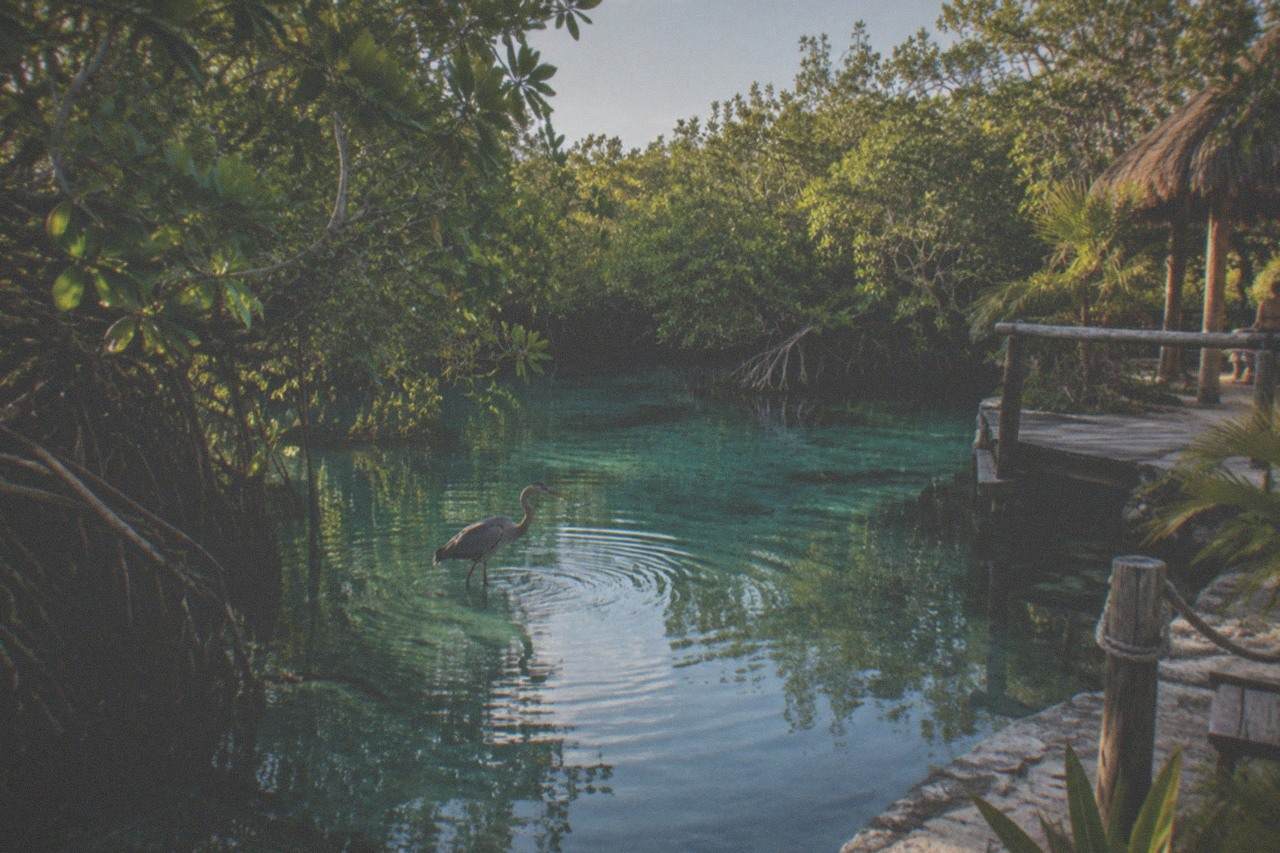
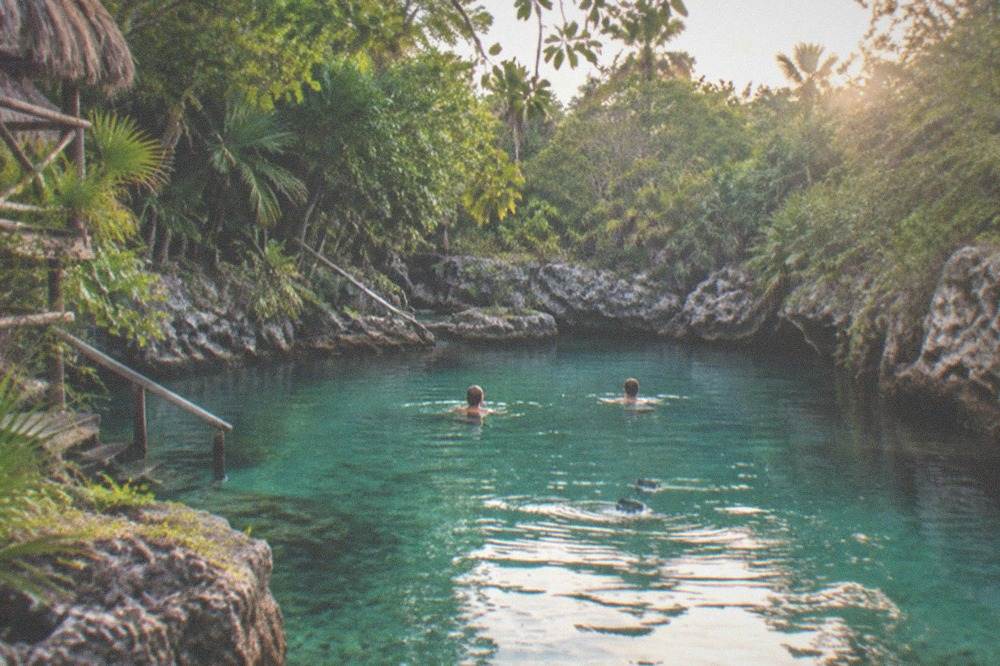
Most cenotes near Tulum are enclosed sinkholes. Casa Cenote is the exception: an open-air river channel threading through mangrove forest, where salt water seeping inland from the Caribbean meets the freshwater aquifer.
Short answer
Casa Cenote sits about 8 km north of Tulum on Highway 307. It is an open, mangrove-lined river cenote with brackish water and a visible halocline, popular for snorkeling and kayaking. Entrance runs 150-200 MXN per adult, roughly 8 to 12 USD, and hours are approximately 9 AM to 5 PM daily.
Casa Cenote is the cenote that breaks the pattern. Nearly every other swimming hole in the Tulum corridor is a collapsed limestone sinkhole: a round or oval basin, sometimes open to the sky, sometimes inside a cave, always still. Casa Cenote moves. It is a long, open channel of water threading between mangrove roots, connected underground to both the Caribbean and the freshwater aquifer, and the mix of the two shows up in the water itself.
The site sits roughly 8 km north of Tulum on Highway 307, about 10 to 11 km from the Tulum archaeological zone, which puts it 15 to 20 minutes away by car or taxi. Locals also know it by the name Cenote Manatí, and both names appear on maps, signage and tour itineraries, which occasionally confuses first-time visitors who think they are two different places.
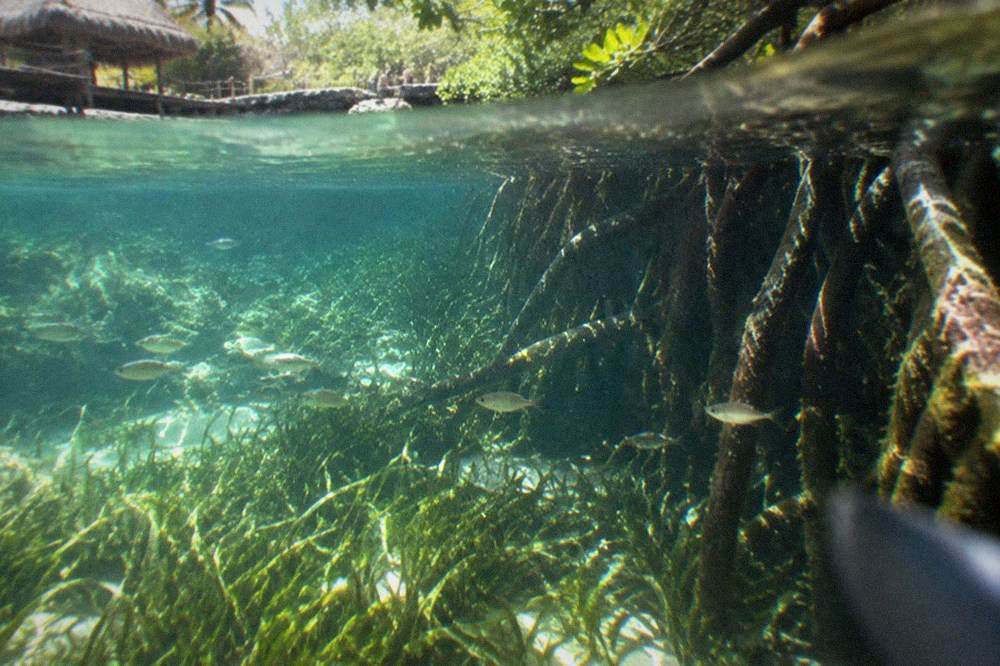
What the setting produces is unusual. The water is brackish rather than purely fresh, fish gather around the mangrove roots, and a halocline, the shimmering boundary layer where salt and fresh water meet, is often visible to snorkelers. The same mangrove habitat is responsible for the one fact this cenote is famous for online: occasional crocodile sightings, a point covered honestly and in full below, because the internet tends to distort it.
For planning purposes, the only tour on this site's roster whose listing explicitly names Casa Cenote as a stop is the Discovering Breathtaking Cenotes in Tulum tour, from $149, which also visits Dos Ojos. Every other cenote-to-tour pairing you will read about elsewhere should be treated as a category-level guess rather than a confirmed itinerary. More on that in the tour section below.
What Makes Casa Cenote Different From Other Cenotes Near Tulum?
Casa Cenote is an open-air mangrove river channel rather than an enclosed sinkhole, and it is the only major swim site in the immediate Tulum corridor where salt and fresh water visibly mix. Snorkelers can watch fish school around mangrove roots, see the halocline ripple overhead, and swim a current-fed channel rather than a still basin. That combination exists nowhere else in this guide series.
Geology first. The cenotes of the Yucatán Peninsula are windows into the freshwater aquifer, formed where limestone ceilings collapsed into water-filled caves below. Gran Cenote, Dos Ojos and Calavera, all covered elsewhere in this guide series, are classic examples: enclosed or semi-enclosed basins with cave sections, stalactites and gin-clear fresh water.
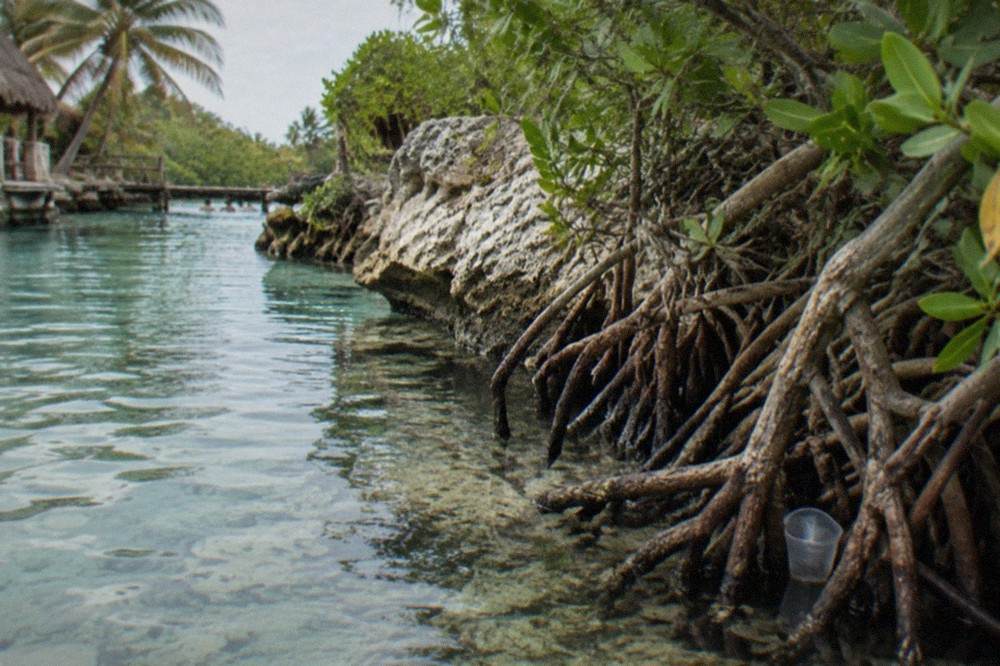
Casa Cenote belongs to a different family. It lies close enough to the coast that seawater percolates inland through the rock and meets the freshwater lens, and the result is brackish water, water with measurable salinity, sitting inside a channel fringed by red mangrove. The mangroves do real ecological work here: their root systems shelter juvenile fish, filter nutrients and stabilize the banks, which is why the snorkeling feels closer to a reef or lagoon than to a cave.
The layout matters for how you experience it. Because the channel is open and elongated, kayaking is genuinely practical in a way it rarely is at a sinkhole, and swimmers can cover distance instead of circling a basin. Sunlight reaches the whole water column, so the light is dappled green and turquoise rather than the blue-black of a cavern. Visibility is generally good, though as an open site it can dip briefly after heavy rain, unlike enclosed cenotes which stay clear year-round.
The trade-offs are the flip side of the same coin. There is no cave to explore, no stalactites, no dramatic overhead environment. The experience is about surface texture: mangrove roots, fish, birds, the occasional tarpon or turtle reported in the channel, and the strange shimmer of the halocline. Travelers who want the cathedral feeling should book a cavern site instead, and the comparison section below breaks down exactly that choice.
How Much Does Casa Cenote Cost To Visit?
Entrance is roughly 150 to 200 MXN per adult, about 8 to 12 USD, with the fee set by the site operator and subject to change, so confirm the current amount on arrival. Hours run approximately 9 AM to 5 PM daily. Cash in Mexican pesos is the safe assumption; card reliability drops sharply once you leave the biggest sites like Gran Cenote and Dos Ojos.
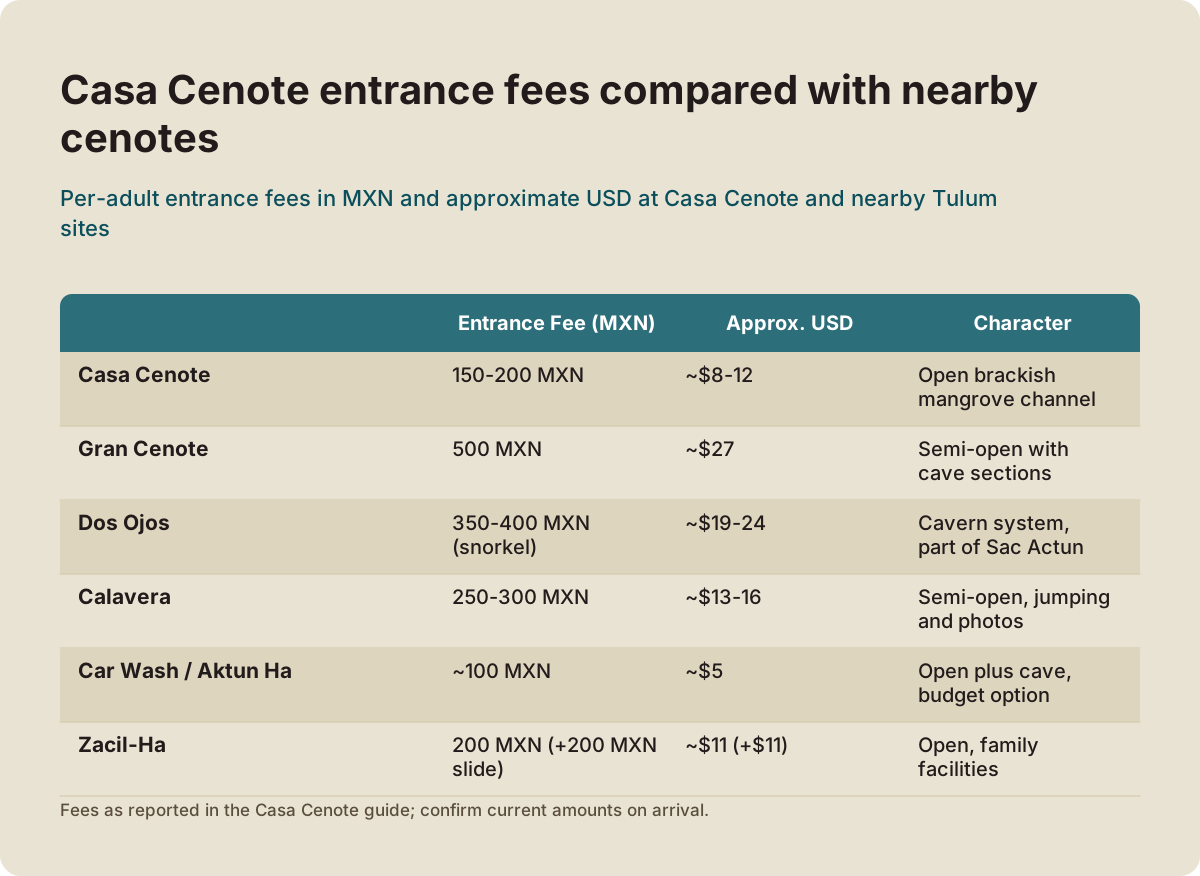
The fee is on the low end of the Tulum corridor. Gran Cenote charges around 500 MXN, Dos Ojos about 350 to 400 MXN for snorkeling, Calavera about 250 MXN, and small community-run options like Car Wash or Aktun Ha sit near 100 MXN. Casa Cenote's 150 to 200 MXN places it among the cheaper named sites, which matters for families adding up several entries in one week. The full fee picture across the region, including how the official Tulum archaeological zone fee differs from operator-set cenote prices, is laid out in the guide to cenote entrance fees in Tulum.
Two practical cautions. First, these figures are current reasonable amounts rather than locked official prices: fees at individually operated cenotes are set by the ejido or operator and can change without notice, so treat any printed number as a planning range and confirm at the gate. Second, bring pesos in cash. The reliable card readers in this corridor are concentrated at Gran Cenote and Dos Ojos; elsewhere, including here, cash is king, and the nearest ATM may be a taxi ride away.
A few small add-ons can appear. Life jackets are required or strongly recommended for children under 12 and non-swimmers at most sites, and are typically free or available for a small fee of roughly 0 to 50 MXN where they are not included. A professional camera or GoPro can draw an extra on-site charge in the 100 to 300 MXN range at some cenotes, so check the posted camera policy at the entrance rather than assuming. Drone flying is prohibited or heavily restricted across cenotes generally.
For context against the rest of the corridor, here is how the known fees stack up. All are secondary-sourced current figures pending a second independent read, so confirm on arrival at each.
| Cenote | Entrance Fee (MXN) | Approx. USD | Character |
|---|---|---|---|
| Casa Cenote | 150-200 MXN | ~$8-12 | Open brackish mangrove channel |
| Gran Cenote | 500 MXN | ~$27 | Semi-open with cave sections |
| Dos Ojos | 350-400 MXN (snorkel) | ~$19-24 | Cavern system, part of Sac Actun |
| Calavera | 250-300 MXN | ~$13-16 | Semi-open, jumping and photos |
| Car Wash / Aktun Ha | ~100 MXN | ~$5 | Open plus cave, budget option |
| Zacil-Ha | 200 MXN (+200 MXN slide) | ~$11 (+$11) | Open, family facilities |
Is Snorkeling Or Kayaking The Better Way To See Casa Cenote?
Both work, and they answer different interests. Snorkeling puts you at eye level with the mangrove roots, the fish schools and the halocline, and needs no skill beyond floating. Kayaking covers the full channel, suits non-swimmers and photographers, and is one of the few cenotes in the corridor where paddling is a real option rather than a gimmick. Most visitors with time do both.
Snorkeling is the signature activity. The channel's fish life is the draw: mangrove roots act as a nursery, so you swim past small snappers, sergeant majors, mojarra and the occasional larger visitor, behavior you associate with a lagoon or reef flat rather than a sinkhole. Because the site is open and sunlit, you see color and movement everywhere, unlike a cavern where your mask finds darkness and a dive light. Fins help in the current-fed sections, though many swimmers prefer to drift without them near the roots.
Kayaking suits three groups in particular. Non-swimmers and families with young children get on the water safely, and life jackets are standard issue here. Photographers get angles the swimmer cannot reach, the long view down the channel with mangroves framing the water. And travelers who simply want to cover ground get to traverse the whole site in 30 to 45 relaxed minutes. Rental availability varies by season, so check at the entrance or with your operator beforehand rather than counting on it.
The honest comparison comes down to depth of experience versus breadth. Snorkeling delivers the close encounter: fish at arm's length, the halocline shimmering overhead, the feeling of being inside the ecosystem. Kayaking delivers the landscape: the channel as a whole, the bird life in the canopy, the quiet. Neither requires a tour, though guided snorkel versions bundle gear, transport and the entrance fee into one price, which is exactly what the selection below offers. The wider snorkel picture across the corridor, including which sites suit first-timers, is in the cenote snorkeling in Tulum guide.
If you would rather have the logistics handled, these are the three guided options worth a look for a Tulum snorkel day built around open, swimmable water.
Which Cenote Tours Include Casa Cenote?
Only one product on this site's roster names Casa Cenote in its listing: Discovering Breathtaking Cenotes in Tulum, from $149, a 4.5-hour tour that also lists Dos Ojos. Every other tour pairing you see online should be read as a category guess, not a confirmed stop. Checking the specific listing for the current itinerary is the only reliable method.
The honest state of play is that most Tulum cenote tours do not name their stops. Operators rotate cenotes for crowd control, access and conditions, so a tour described as visiting "two spectacular cenotes" may mean any of several sites on any given day. The bike-based Tulum Cenote Trail Bike Tour, from $119, visits two or three unnamed cenotes depending on the option chosen. The Cenote Triple Adventure Tour in Tulum, from $129.88, visits three cenotes whose names appear only on the live listing.
Against that backdrop, the Discovering Breathtaking Cenotes in Tulum tour is unusually specific. Its listing names both Dos Ojos and Casa Cenote, which is rare enough to be the deciding factor for travelers who have this cenote on their list. It carries a 5.0 rating from a small pool of 7 reviews, so it is a young listing with a short review history rather than an established heavyweight, and the honest framing is exactly that: a small operator, a real perfect score, and a review count that says little so far. It runs 4.5 hours, departs Tulum, meets at iTour Mexico Riviera Maya Tulum Eco Tours in Tulum Centro, and costs from $149.
For a like-for-like alternative if that listing's dates do not fit, two other products in the same snorkel family are worth holding side by side. The Tulum Guided Tour, Magical Cenote, Lagoon Snorkeling and Beachside Lunch tour is the second most-reviewed product on the entire roster, 4.9 across 1,975 reviews, from $119 for 6.5 hours; its lagoon snorkeling happens at Yalku, and the Tulum ruins entrance of roughly $15 per person is extra. The Magical Cenote and Paradise Lagoon Snorkeling Adventure, 4.9 across 886 reviews, from $79, is the cheapest standalone snorkel product on the roster at 3.5 hours, with Cancun and Riviera Maya hotel pickup available. Neither listing names Casa Cenote, so treat both as open-water snorkel alternatives rather than substitutes for this specific site.
Planning a longer Riviera Maya itinerary that pairs ruins with a swim? The structure of these tours, transport plus guide plus water time, is covered in detail in the ruins and cenote combo planning guide.
One more pricing note before moving on. Tour prices bundle the operational pieces, transport, gear, guide, and sometimes entrances and lunch, while independent visits pay each piece separately. A $79 guided snorkel can be cheaper than a day of taxis, two entrance fees and rented gear once you do the arithmetic honestly on both sides.
Are There Crocodiles At Casa Cenote?
Occasional crocodile sightings at Casa Cenote are a real, documented fact of its brackish mangrove habitat, and they are specific to this cenote and its coastal-water ecology. The overwhelming majority of Tulum-corridor cenotes are closed freshwater sinkholes with no crocodile habitat at all, and the sightings here are typically of a shy resident, not an aggressive encounter.
This is the one subject where the internet reliably makes things worse. Photos of a crocodile in a mangrove channel circulate with captions implying cenotes generally are crocodile habitat, which is false. Crocodiles in this region live in brackish and salt coastal water: lagoons, mangrove channels, river mouths. Casa Cenote, an open brackish channel connected underground toward the coast, is precisely that kind of habitat, which is why an occasional crocodile shows up here and not at Gran Cenote or Dos Ojos. The full breakdown of where these animals actually live, and which sites genuinely carry the habitat, is in the dedicated piece on crocodiles in Mexican cenotes.
What the habitat fact means in practice. Sightings are occasional, not routine. Morelet's crocodiles here are famously wary of people. Sites with known resident crocodiles in the region generally manage access around them, and tour operators will not run snorkel trips in water with an active large crocodile. The risk framing that matters is the standard one for any open water: follow posted rules, do not feed or approach wildlife, and ask staff on arrival whether there have been recent sightings.
If the thought of a crocodile shapes your planning, let it shape the choice of cenote rather than the choice to swim. An enclosed freshwater cenote such as Gran Cenote, Dos Ojos or Calavera has no brackish mangrove habitat and therefore no crocodile presence. An open coastal channel does. That is an ecological fact, not a safety warning, and it is the same trade-off a reef snorkeler makes every day.
What Is The Halocline And How Does It Change The Water?
The halocline is the visible boundary layer where the salt water beneath meets the fresh water above, and at Casa Cenote you can often see and feel it. Snorkelers describe it as a shimmering, oil-on-water distortion in the water column. It is a harmless physics effect, and it is one of the reasons this cenote feels so unlike a freshwater sinkhole.
Coastal geology creates the effect. The Yucatán's freshwater aquifer floats above denser seawater that pushes inland through the porous rock, and where the two meet, salinity changes sharply over a short vertical distance. Light bends as it crosses that boundary, which is what produces the rippling, mirrored distortion. Divers in the region know the effect well, since it occurs at depth in many coastal cenotes; here it can sit shallow enough for a snorkeler to notice.
You may also feel it. Swimmers crossing the layer sometimes report the water suddenly feeling denser, or their buoyancy shifting slightly, the same sensation divers describe in stronger form. There is no risk attached: it is not a current, not a thermocline, and not a hazard to swim through. If anything, it is a small piece of the site's character, evidence that this water is alive with two sources rather than one.
The halocline also explains part of the ecology. The mixed salinity supports mangrove growth and the fish nursery around the roots, species that would not thrive in pure fresh water. So the shimmer you swim through and the fish you swim past are two consequences of the same underground plumbing. Few cenotes in the corridor let a casual swimmer witness that in a single glance, and it is the quiet reason Casa Cenote earns its place alongside the better-known sites, a question this guide's companion piece on the most beautiful cenote in Mexico takes up across the whole region.
How Does Casa Cenote Compare With Gran Cenote And Dos Ojos?
Casa Cenote is the open, easy, budget-friendly choice best for snorkeling surface life, kayaking and families who want sun. Gran Cenote, about 500 MXN, is the classic semi-open site for turtles and swim-throughs. Dos Ojos, 350 to 400 MXN to snorkel, is the cavern pick with the most dramatic geology. Pick by the experience you want, not the fee.
The comparison is really three different animals. Gran Cenote, roughly 4 km from Tulum Pueblo on the Coba road, is a semi-open site with shallow pools, cave sections and resident turtles, and it is the default family choice in most guides; the Gran Cenote guide covers it in full. Dos Ojos, about 20 to 22 km north on Highway 307, is part of the Sac Actun system and offers the cavern experience: exceptional visibility, stalactite formations, and the deepest dive-adjacent atmosphere available to a swimmer, all detailed in the Dos Ojos cenote guide. Casa Cenote is neither of those things, and that is the point.
| Feature | Casa Cenote | Gran Cenote | Dos Ojos |
|---|---|---|---|
| Style | Open mangrove channel | Semi-open, cave sections | Cavern system |
| Water | Brackish, halocline visible | Fresh, very clear | Fresh, extreme visibility |
| Best for | Snorkeling roots, kayaking | Turtles, families | Cave atmosphere, diving |
| Entrance (MXN) | 150-200 | ~500 | 350-400 (snorkel) |
| Distance from Tulum | ~8 km north on 307 | ~4 km on Coba road | ~20-22 km north on 307 |
| Photos | Mangrove and bird life | Stalactites, turtles | Cave beams, rock formations |
Price contrast among guided products follows the same logic. The Magical Cenote and Paradise Lagoon Snorkeling Adventure, 4.9 across 886 reviews, from $79, is the cheapest standalone snorkel tour on the roster and suits the same traveler who wants surface water and light. Discovering Breathtaking Cenotes in Tulum, from $149, is the pick if Casa Cenote itself is the goal. A private option, Private Guided Cenotes and Underground River Exploration, 5.0 across 171 reviews from $199, minimum age 5 and minimum two people, covers the swim-and-cave-exploration format without scuba for those who want the whole corridor to themselves.
For swimmers weighing safety in general, the same rules apply across all three sites: life jackets for children under 12 and non-swimmers, no sunscreen without rinsing first, no unmarked jumps. The full safety picture, including why enclosed cenotes are not cold in winter and not crocodile habitat, is laid out in the piece on swimming safely in cenotes.
How Do You Get To Casa Cenote And When Should You Go?
Casa Cenote is about 8 km north of Tulum on Highway 307, roughly 15 to 20 minutes by car or taxi from the archaeological zone, and it is open approximately 9 AM to 5 PM. Arrive at opening for calm water and thin crowds. Midday, roughly 10 AM to 2 PM, is when tour buses stack up at popular corridor sites.
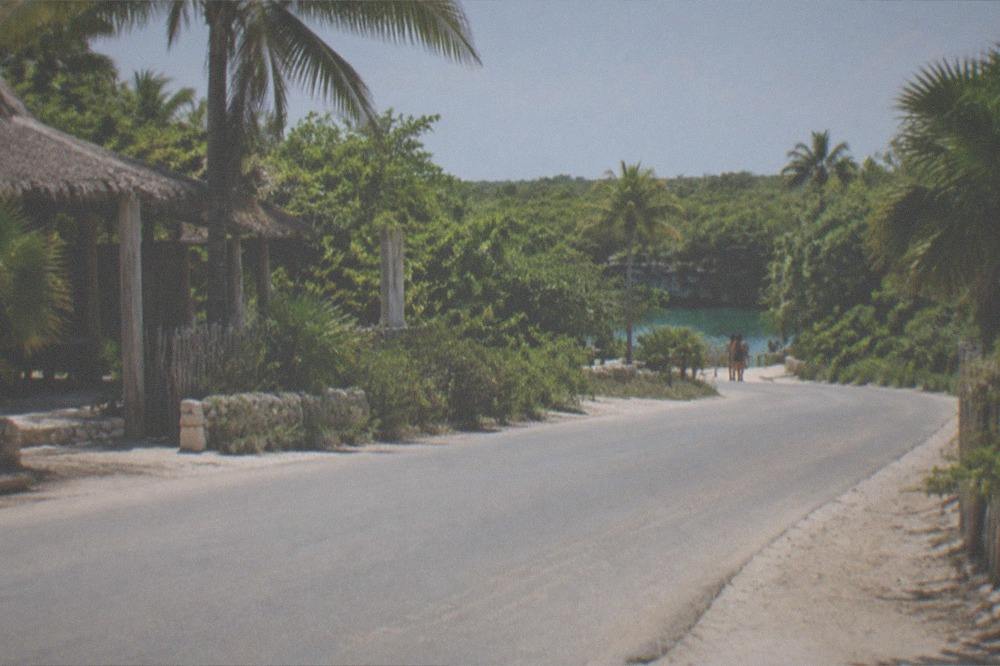
Getting there is straightforward. From Tulum town, drive or taxi north on Highway 307 and turn off at the marked access; from the archaeological zone, it is 15 to 20 minutes. Colectivos run the 307 corridor cheaply, though the walk from the highway turn-off adds time and heat, so they suit budget travelers more than families. Rental bikes work for confident riders, but 8 km of highway shoulder with gear is a judgment call most parents decline. A full rundown of sites, distances and logistics across the corridor is in the guide to cenotes near Tulum.
Timing follows the corridor's rhythm. Weekday mornings between 9 and 10:30 AM are the sweet spot everywhere in this region: calm water for photos, space in the channel, and the mangrove bird life still active before the heat. Midday brings the bus groups; late afternoon, after about 2:30 or 3 PM, clears again at many sites, though closing time at 5 PM cuts the margin. Shoulder months, May, late September and early October, are the lower-crowd windows, while December through March is peak.
Season barely changes the water. Cenote temperatures hold at roughly 24 to 27 degrees C year-round regardless of surface weather, so the old question of whether the water will be cold has a fixed answer: no. The only seasonal caveat that genuinely applies here is the open-site one: heavy rain can briefly reduce visibility in open cenotes via surface runoff, while enclosed sites stay unaffected. And to close the loop on a question that reaches this site often, sargassum is a beach phenomenon only: it drifts in ocean currents and never reaches inland freshwater sinkholes, so a heavy sargassum season is a reason to choose Casa Cenote over the beach, not to avoid it.
| Starting Point | Distance to Casa Cenote | Typical Time |
|---|---|---|
| Tulum Pueblo / town center | ~8 km north on 307 | 12-15 minutes by car |
| Tulum archaeological zone | ~10-11 km | 15-20 minutes by car or taxi |
| Gran Cenote (Coba road) | ~12-13 km via Tulum | 20-25 minutes by car |
| Playa del Carmen | ~55-60 km south on 307 | 50-60 minutes by car |
What Should You Bring, And What Should You Leave Behind?
Bring pesos in cash, a towel, water shoes with grip, a rash guard and a dry bag. Leave behind all chemical sunscreen, lotion and repellent until after swimming: the rinse-off shower is mandatory before entering, some sites ban even biodegradable products, and fines for violations run up to 1,200 MXN. Confirm each rule at the gate, because policies differ site by site.
The packing logic is protective, not fussy. The freshwater and brackish ecosystems here are closed or semi-closed systems with limited circulation, which is why the rinse rule exists and why enforcement has tightened. A rash guard replaces sunscreen entirely for sun protection, the cleanest solution available. Water shoes matter on the limestone edges and any wooden walkways, where wet rock and wet wood are both slick. The full checklist, with the reasoning behind each item, is in the what to bring for a cenote tour guide.
Photography deserves one specific caution. Some cenotes charge a camera fee, often 100 to 300 MXN, for professional cameras or GoPros, cash only. Drones are prohibited or heavily restricted at cenotes and are not permitted at the Tulum archaeological zone. A phone in a good case is the pragmatic choice at Casa Cenote, where the open light does most of the photographic work for you.
For families, two notes finish the picture. Life jackets are required or strongly recommended for children under 12 and non-swimmers, and commonly provided free or for a small fee here. And if your crew includes a toddler, the toddler-specific site ranking is a separate question with different criteria, covered in which cenote is best for toddlers.
Common Questions About Casa Cenote
Are There Crocs In Mexican Cenotes?
Occasionally, at this one. Casa Cenote's brackish mangrove channel is genuine crocodile habitat, and occasional sightings of a shy resident are documented. The vast majority of Tulum-corridor cenotes are closed freshwater sinkholes with no crocodile habitat whatsoever, so the correct conclusion is site-specific, never a blanket rule about cenotes.
How Much Does It Cost To Visit A Cenote In Tulum?
Casa Cenote charges roughly 150 to 200 MXN, about 8 to 12 USD, set by the operator and changeable, so confirm on arrival. Across the corridor, entrance fees span about 100 MXN at community-run sites to 500 MXN at Gran Cenote, with cash preferred almost everywhere.
Can You Visit Cenotes Without A Tour?
Yes. Casa Cenote is reachable independently by car, taxi or colectivo plus a walk, and you pay the entrance fee at the gate. A guided tour instead bundles transport, gear and entrances, which suits travelers without a car; the only roster product that names Casa Cenote as a stop is Discovering Breathtaking Cenotes in Tulum, from $149.
Is It Safe To Swim In Cenotes?
Yes, under the posted rules: rinse off before entering, wear a life jacket if you are a non-swimmer or under 12, stay within marked areas, and do not jump from unmarked spots. Casa Cenote's open channel adds the standard open-water caveats, ask staff about recent wildlife sightings, but the site is a routine family swim venue.
What Is The Halocline At Casa Cenote?
It is the visible boundary where seawater pushing inland meets the freshwater aquifer above it. Light bends crossing the layer, producing a shimmering, oil-on-water effect you can see while snorkeling. It is a harmless physics effect, and one of the site's signature features.
Is Casa Cenote Affected By Sargassum?
No. Sargassum is an ocean phenomenon carried by sea currents onto beaches; cenotes are inland sinkholes with no connection to the ocean. A heavy sargassum season affects Tulum's beaches, not its cenotes, which is exactly why travelers shift their plans toward sites like this one in peak sargassum months.
For a wider look at the whole corridor, from Gran Cenote's turtle pools to Dos Ojos' cavern beams, start with Tulum Cenote Tours and the best cenotes in Tulum, or see how the open-water snorkel format compares in the cenote snorkeling guide.