Are There Crocodiles In Mexican Cenotes?
Crocodile sightings in Mexican cenotes are real but hyper-local: they belong to Casa Cenote's brackish mangrove water near Tulum, not to the closed freshwater sinkholes most visitors swim in.
Are There Crocodiles In Mexican Cenotes?
No, not as a general rule. Crocodile sightings in the Tulum cenote corridor trace to exactly one place, Casa Cenote, where brackish mangrove water connects toward coastal habitat. The cenotes most visitors swim in, Gran Cenote, Dos Ojos, Calavera, Car Wash, Zacil-Ha, are closed freshwater sinkholes with no food source, no outlet and no crocodile habitat, so no resident crocodiles.
The fear usually arrives from a viral video or a secondhand story, and it arrives stripped of geography. Someone saw a crocodile "in a cenote," and the listener pictures the crystal-clear cavern they booked a tour in. But the Yucatan Peninsula has thousands of cenotes spanning wildly different water types, from fully enclosed limestone chambers to open lagoons threaded through mangrove forest, and crocodiles are habitat specialists. They need warm, slow or standing water, bank vegetation to hunt from, and a food chain of fish, birds and small mammals. A flooded cave room fed by the freshwater aquifer offers none of that.
The distinction matters for trip planning because the answer shapes where the risk actually sits, and it sits in one narrow spot. Tours in the snorkel category typically include a stop like Casa Cenote among their visits; check the specific listing. One product on this roster, the Discovering Breathtaking Cenotes in Tulum tour, is the only one whose listing names its cenote stops, Dos Ojos and Casa Cenote, which makes it useful to reference when thinking through what a mixed-itinerary day looks like. Its rating sits at 5.0 from 7 reviews and it starts from $149 for 4.5 hours, meeting in Tulum Centro.
The word "occasional" is doing honest work in this article. Casa Cenote's crocodile note, recorded in current cenote reporting, describes an occasional sighting in brackish mangrove water, not a resident population tourists regularly encounter. That framing is exactly what Tulum Cenote Tours holds every article on this site to: the specific place, the specific water type, and no blanket claim stretched beyond the evidence.
If you want the short version for your own booking decision, these three snorkel-format products cover the range most travelers compare:
Each is a real, bookable option with verified figures, and none of the three involves a swimming stop where crocodile habitat exists.
Why Casa Cenote Is The One Place Sightings Happen
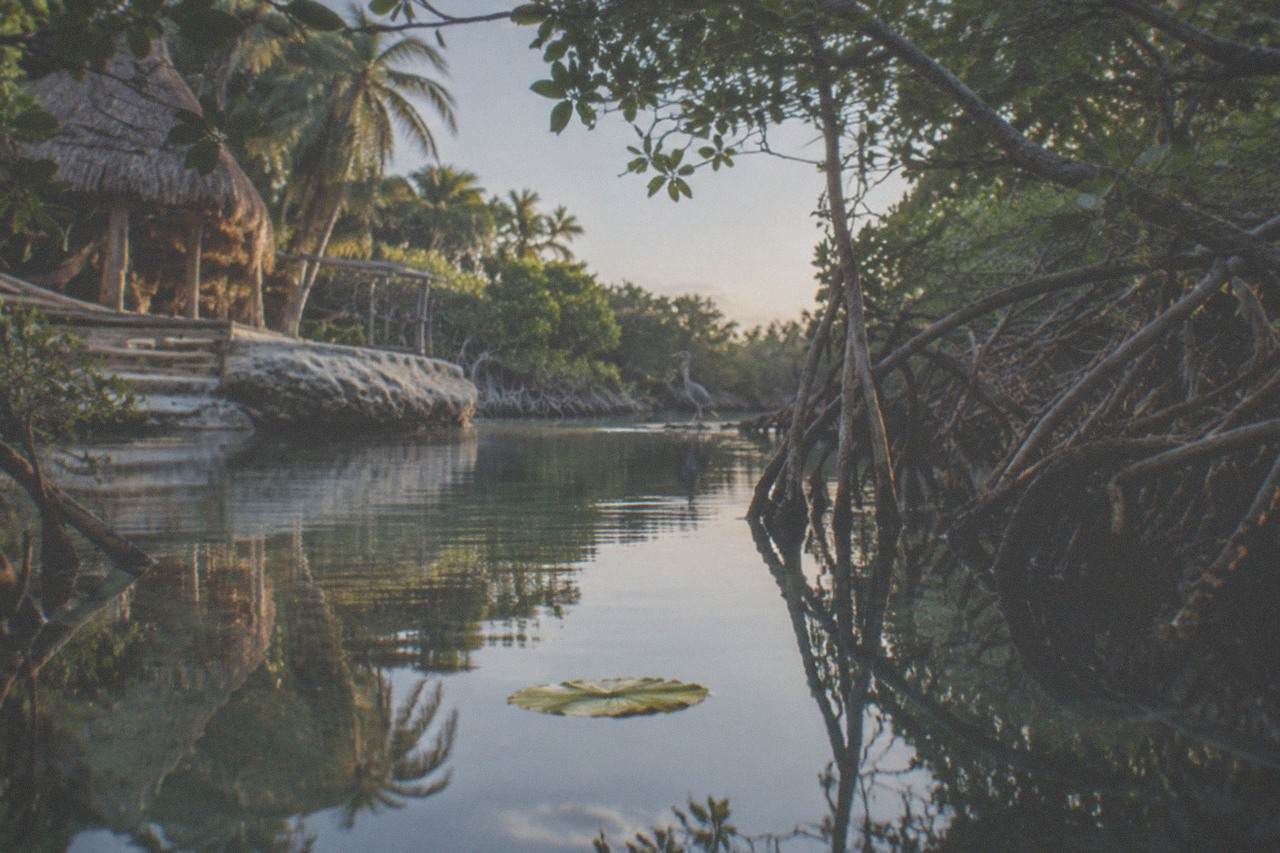
Casa Cenote is a mangrove river cenote with brackish water, meaning salt and freshwater mix, connected through underground channels toward the coastal lagoon system. That connection to coastal habitat is why an occasional crocodile sighting has been recorded there and nowhere else on the standard Tulum circuit. Mangrove edges, tannin-tinted shallows and a live fish population are crocodile country.
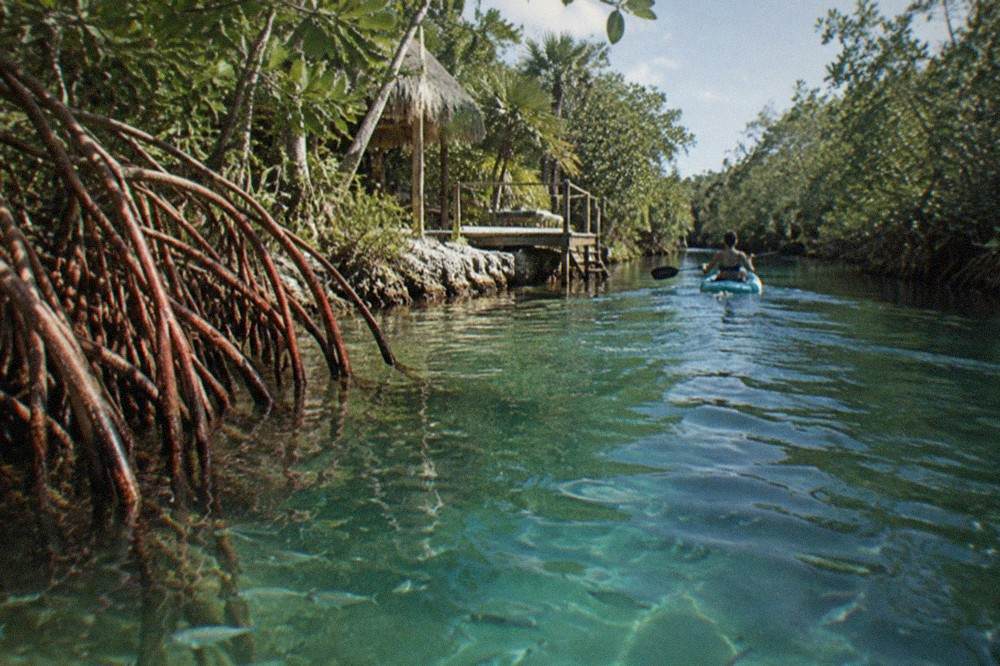
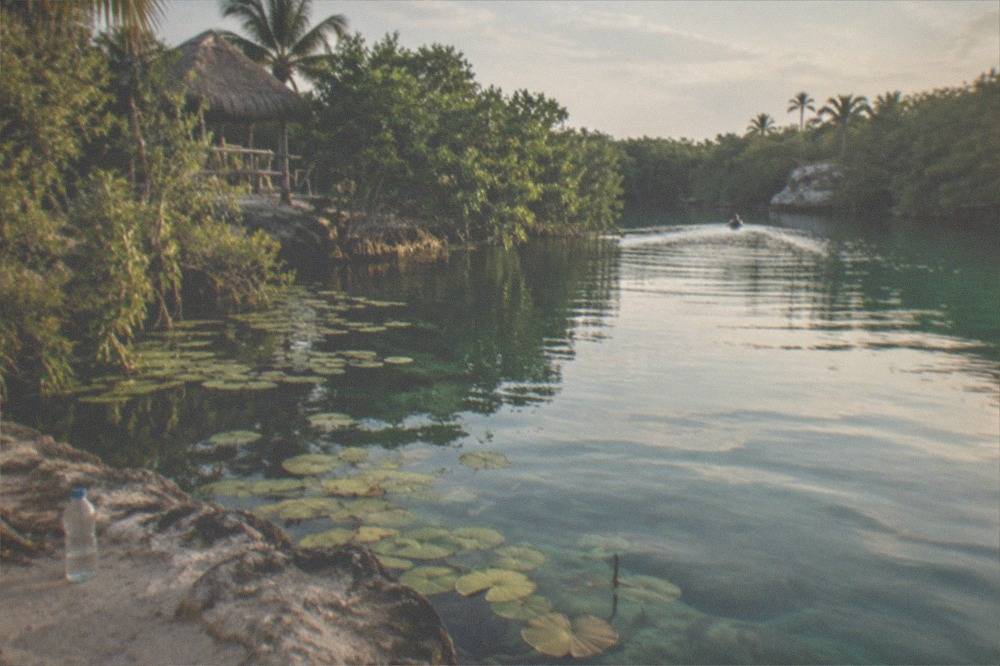
The site sits roughly 8 km north of Tulum on Highway 307, and everything about it differs from the cavern cenotes inland. The water is green rather than turquoise-clear in places, lily pads and mangrove roots line the channel, and the swim has a gentle current that carries you along like a lazy river. Fish swirl around the roots, herons work the banks, and the whole scene reads as coastal wetland rather than cave. Snorkeling there is genuinely popular and family-friendly; kayaking the channel is common too. The crocodile note in the research files is attached precisely to this brackish character, and reporting describes the sightings as occasional, a fact worth keeping at its true size rather than inflating.
It also helps to understand why the connection exists at all. The Riviera Maya's cenotes are windows onto the same freshwater aquifer, but a handful near the coast intersect with saltwater intrusion and surface lagoon systems. Where that mixing happens, marine and coastal species can follow the water. A closed cenote a few kilometers inland has no such corridor; anything large that wandered in would find no exit, no prey base and no nesting bank. That is why the pattern holds across the region and not just in Tulum, crocodile presence follows the brackish coastal connections, and the deep site guides exist for those water types in the Casa Cenote visitor guide.
Entrance at Casa Cenote runs about 150 to 200 MXN per adult (roughly $8 to $12), a secondary-sourced figure, and fees are set by the site and can change, so confirm on arrival. Cash is the safe assumption; card readers are reliable mainly at the largest sites.
For swimmers, the practical takeaway is not avoidance but context. People snorkel Casa Cenote every day, operators work the site year round, and the sighting record is a footnote, not a pattern.
Which Tulum Cenotes Have Zero Crocodile Habitat
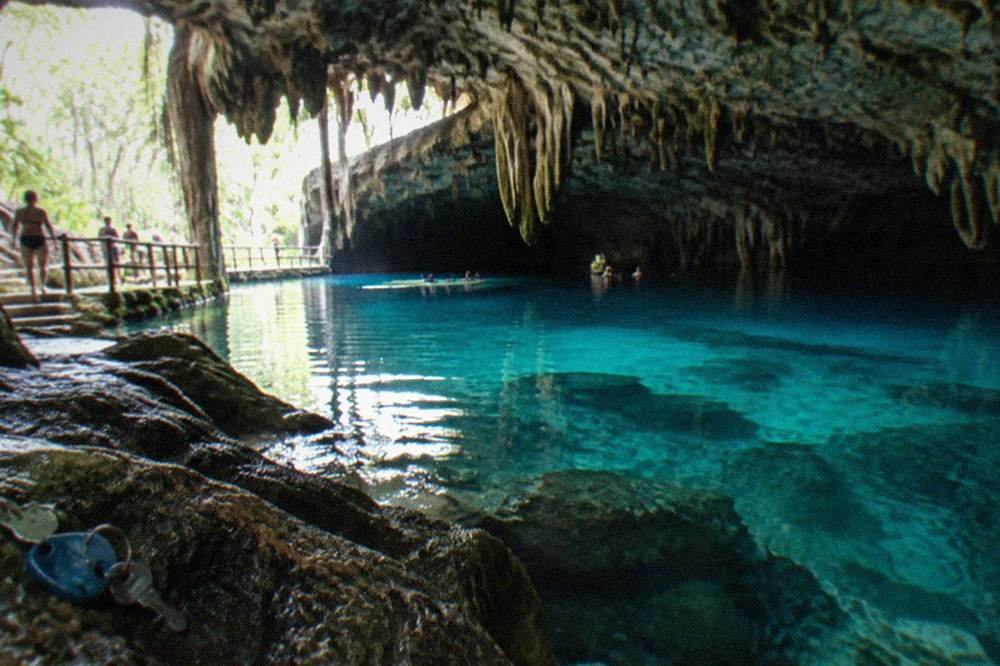
Every closed or semi-closed freshwater cenote on the standard Tulum circuit has zero crocodile habitat: Gran Cenote, Dos Ojos, Calavera, Car Wash (Aktun Ha) and Zacil-Ha. These are limestone sinkholes fed by rain-filtered groundwater, with no connection to coastal water, no mangrove, no fish-eating food chain and no way in or out for a large predator.
The table below maps the corridor's most-visited cenotes by water type and habitat, using the current per-cenote data from this site's research files.
| Cenote | Water type | Distance from Tulum | Entrance fee (confirm on arrival) | Crocodile habitat |
|---|---|---|---|---|
| Gran Cenote | Semi-open, cave sections, freshwater | ~4 km on the Coba road | 500 MXN adult (~$27) | None, closed aquifer |
| Dos Ojos | Cavern/cave, freshwater | ~20-22 km on Highway 307 | 350-400 MXN snorkel (~$20-24) | None, cavern system |
| Calavera | Semi-open with jump platforms, freshwater | ~3 km on the Coba road | 250 MXN (~$13) | None, closed sinkhole |
| Car Wash (Aktun Ha) | Open plus cave sections, freshwater | ~8 km | 100 MXN (~$5) | None, closed sinkhole |
| Zacil-Ha | Open pool, freshwater | ~8-8.5 km | 200 MXN, waterslide +200 MXN (~$11 each) | None, open pool |
| Casa Cenote | Brackish mangrove river | ~8 km on Highway 307 | 150-200 MXN (~$8-12) | Occasional sightings recorded |
The pattern in the last column is the whole story of this article compressed into one view. One brackish site out of six carries the crocodile note, and it carries it because of the mangrove connection, not because cenotes as a class attract crocodiles. All fees in the table are secondary-sourced reasonable current figures; they are set by each site and can change without notice, so confirm on arrival.
For diving readers the same logic applies with more force. Cavern zones at sites like Dos Ojos sit well inside the freshwater aquifer, and the depth and visibility numbers reported there, visibility often exceeding 30 m in the cavern, describe a water body a crocodile would have no reason to enter and no way to survive in long. Certification and safety questions are covered properly in the cenote diving guide.
The most-visited sites on that list are also the ones tour products cluster around. The Cenote Triple Adventure Tour in Tulum visits 3 cenotes in a 4-hour loop from Tulum Centro, rated 5.0 from 467 reviews and priced from $129.88, with lunch available as a paid $15 add-on. The Tulum Guided Tour with Magical Cenote, Lagoon Snorkeling and Beachside Lunch, the most-reviewed product on this whole roster at 4.9 from 1,975 reviews, runs 6.5 hours from $119. Neither listing names a brackish mangrove stop as its centerpiece swim.
How Tour Operators Handle Water Safety Generally
Guided cenote tours layer safety rules that have nothing to do with crocodiles: mandatory life jackets for children under 12 and non-swimmers at most sites, biodegradable-only sunscreen policies with a mandatory pre-entry rinse, closed groups with a guide in the water, and site closures by mid-afternoon to protect the ecosystem. The crocodile question is answered by habitat before any of these apply.
The rules that actually shape a cenote day are about water chemistry and crowding. Conventional chemical sunscreen can draw fines up to 1,200 MXN at enforcing sites, and every cenote in the region requires a rinse-off at the freshwater stations before entering, to keep lotions and residue out of the closed freshwater ecosystem. Some sites go further and ban all sunscreen, even biodegradable kinds, so check posted rules rather than assuming one blanket policy. These practical points are worked through in detail in the what to bring for a cenote tour guide.
Guides also change itineraries when conditions warrant, and that flexibility is a real part of the safety story. Weather, water levels after heavy rain, and simple crowd management all cause operators to shift timing or reorder stops. None of this is about predators; it is standard operational care on water that happens to be exceptionally stable, holding a constant 24-27 degrees C year round regardless of season.
It is worth separating the two fear questions travelers actually carry. The crocodile question, answered above, resolves to habitat geography. The broader "is this water safe" question covers depth, jumping rules at sites like Calavera, haloclines in mixed-water sites, and swimming competence, and it is handled in full in is it safe to swim in cenotes. Blending the two into one vague worry does neither question justice.
The Discovering Breathtaking Cenotes in Tulum tour is a good example of the standard safety envelope in practice: a small-group snorkel product, 4.5 hours from $149, meeting at the iTour Mexico office in Tulum Centro, with a 5.0 rating from 7 reviews. The small review count is real and reflects a small operator, which is worth knowing rather than glossing over.
Its listing is also the only one on the snorkel side of the roster that names its stops, Dos Ojos and Casa Cenote, which is exactly the kind of detail a traveler with the crocodile question should be able to check before booking.
What A Sighting At Casa Cenote Actually Looks Like
Reports from Casa Cenote describe an occasional crocodile, most often a small Morelet's crocodile seen at a distance in the mangrove channel, not an aggressive animal near swimmers. The site stays open, operators keep running trips there, and the sightings function like any wildlife note in a coastal wetland: a reason for awareness, not a reason to cancel.
Morelet's crocodile, the species native to the Yucatan's freshwater and brackish coastal wetlands, is generally shy around people, and the mangrove channels north of Tulum form part of its natural range. A sighting typically means a glimpse of eyes and nostrils at the surface among the roots, or a tail wake disappearing into the green. Tour operators who work Casa Cenote regularly know the patterns, and the "occasional sighting" phrasing in the research files reflects that routine coexistence.
If the idea still sits badly with you, the solution is simple and costs nothing: swim elsewhere. The corridor offers five-plus closed freshwater cenotes within a short drive, each with the clear water and cave features people come for. Swapping one stop is easier than carrying anxiety into a swim.
Practical Planning For A Worry-Free Cenote Day
Plan around water type, not around fear. Pick closed freshwater cenotes for the classic clear-water swim, treat Casa Cenote as a scenic mangrove experience with a known wildlife footnote, arrive at opening for calm water, carry pesos for entrance fees, and rinse off before entering at every site. Crocodiles never need to enter the decision beyond that one bracket.
A workable day for a first-time visitor: morning at a semi-open cavern site for the postcard clear water and turtles, an early afternoon stop at a second site for variety, and Casa Cenote either included with open eyes or skipped without loss. Gran Cenote opens around 8:00 AM with last entry near 4:15 PM; Dos Ojos runs to about 5:00 PM with last entries earlier in some reports. Weekdays beat weekends, and midday, roughly 11 AM to 2 PM, is when bus crowds peak.
Booking a guided product simplifies the fee and transport layer considerably, since entrances, gear and logistics come bundled. The Cenote Triple Adventure Tour in Tulum is the strong pick for this: three cenotes in four hours from $129.88, 5.0 from 467 reviews, snacks and water included with lunch as a $15 add-on, departing from a central Tulum meeting point. Its recent reviews describe exactly the calm, well-organized format the crocodile-wary traveler wants.
For families weighing the toddler question, closed shallow cenotes are also where the answer lives, and the full analysis is in which cenote is best for toddlers. The pattern is consistent: the sites safest for small children are the same closed freshwater pools with zero crocodile habitat.
Whatever you book, read the listing's stop list before you pay. A product that names its cenotes lets you place every swim on the habitat map above in ten seconds, and that knowledge is worth more than any reassurance a headline can offer.
If you are still comparing formats, these are the three products this site would put side by side for a Tulum snorkel decision:
Common Questions About Crocodiles In Mexican Cenotes
Are There Crocs In Mexican Cenotes?
Only in a narrow, specific sense. Crocodile sightings trace to Casa Cenote's brackish mangrove water north of Tulum, where the site connects toward coastal habitat, and they are described as occasional. The closed freshwater cenotes that make up most of the Tulum circuit, Gran Cenote, Dos Ojos, Calavera, Car Wash, Zacil-Ha, have no crocodile habitat at all.
Is It Safe To Swim In Casa Cenote?
Yes, people snorkel and kayak there daily and operators run trips year round. The crocodile note is a habitat footnote for a coastal wetland site, not a pattern of aggressive encounters. If it worries you, swap the stop for one of the closed freshwater cenotes nearby; the listing for your tour will show its stops.
Which Cenotes Near Tulum Have Crocodiles?
On the standard circuit, only Casa Cenote carries a recorded occasional sighting, because of its brackish mangrove water. Every closed or semi-closed freshwater cenote on the corridor has none: no coastal connection, no mangrove, no prey base for a large predator.
Do Cenote Tours Stop Anywhere With Crocodile Habitat?
Most do not. The Cenote Triple Adventure Tour visits three cenotes, and the Discovering Breathtaking Cenotes tour is the one listing that names its stops, Dos Ojos and Casa Cenote. Check the specific listing before booking if the question matters to you; a named stop list answers it instantly.
Are Mexican Cenotes Connected To The Ocean?
Most are not. The classic Tulum cenotes are windows onto the freshwater aquifer with no ocean connection, which is why sargassum, a coastal seaweed phenomenon, never affects them. A few coastal sites like Casa Cenote mix with saltwater through lagoon and mangrove systems, and that mixing is exactly where the crocodile note lives.
Should I Worry About Crocodiles When Booking A Cenote Tour?
No. Pick your product by water type and stop list instead. Every guided snorkel product on this site swims in freshwater sites or a well-worked mangrove channel, and the habitat facts above let you verify any stop in seconds. The risks that actually deserve planning attention are sun protection rules, cash for fees, and swimming within your ability.