What Is The Most Beautiful Cenote In Mexico?
A shortlist answer to Mexico's most beautiful cenote question, comparing the strongest Tulum-corridor candidates by their signature look: open-air light shafts versus cave formations.
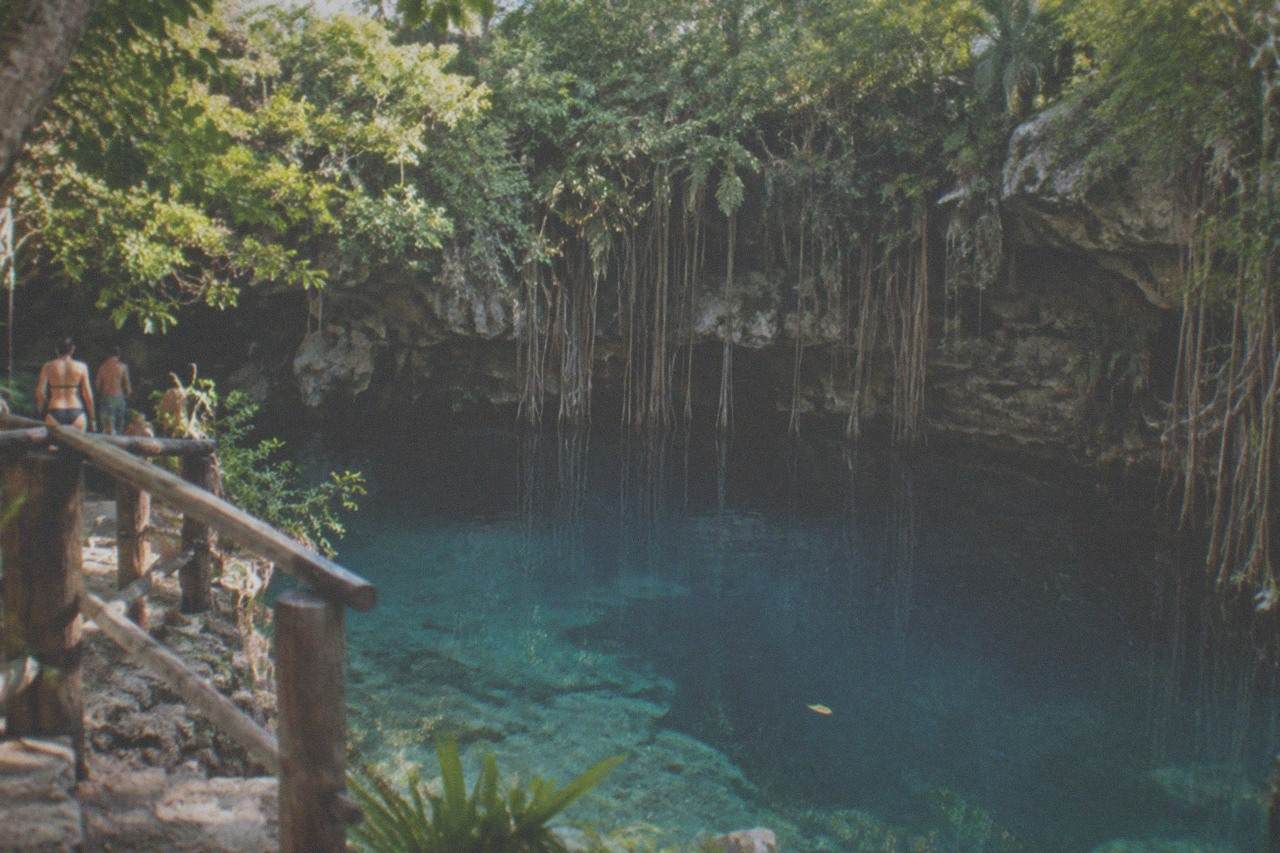
Ask a room of divers to name the most beautiful cenote in Mexico and the cave photographers will say Dos Ojos. Ask snorkelers and someone will insist on Gran Cenote, with its turtles drifting under shafts of daylight. The question has no single correct answer because cenote beauty comes in two distinct flavors, and the strongest candidates in the entire country happen to cluster within a half hour of Tulum. This guide sorts the contenders honestly, using the descriptions each site is actually known for, and points you to the full list of cenotes near Tulum if you want the complete picture.
What Is The Most Beautiful Cenote In Mexico?
No single cenote holds the title by consensus, but the Tulum corridor carries the strongest claim in the country, and two names dominate the conversation: Gran Cenote for open-air light and resident turtles, and Dos Ojos for cathedral-scale cave passages with visibility reported at 30 to well over 100 meters. Beauty here splits between sunlit sinkholes and dark, decorated caverns, so the honest answer depends entirely on which of those two looks moves you.
The reason the debate centers on this stretch of the Yucatan is geological. The cenotes around Tulum are windows into the Sac Actun system, one of the longest mapped underwater cave networks on the planet, and Gran Cenote and Dos Ojos are both part of it. That shared plumbing produces two very different surface experiences. Gran Cenote is semi-open: shallow pools connected by swim-throughs, stalactites overhead, and daylight pouring in through the ceiling openings. Dos Ojos is the cavern archetype, two circular openings, the "two eyes," dropping into a decorated cave system that divers and snorkelers describe in near-religious terms.
Neither description is marketing invention. Travel coverage of the region consistently lands on these two as the standard-bearers, with Gran Cenote praised as the best family and snorkeling introduction and Dos Ojos treated as the visual ceiling of the sport. If you want to see what the argument looks like in the water rather than in a photo, two tours on this site take you straight into it. The Cenote Triple Adventure Tour visits three cenotes in four hours from $129.88 and holds a perfect 5.0 from 467 reviews, and the Discovering Breathtaking Cenotes tour, from $149, is the only snorkel product on the roster whose listing names its stops: Dos Ojos and Casa Cenote.
Deciding which beauty suits you is easier once you see the candidates side by side, which is what the rest of this article does.
Why Gran Cenote Is The Standard Answer For Sunlit Beauty?
Gran Cenote is the most commonly named "most beautiful" cenote for travelers who want open, bright, swimmable water, and the description is earned: a semi-open layout of shallow pools, cave passages, stalactites, and resident turtles, about 4 km west of Tulum Pueblo, a 7 to 10 minute drive. Its entrance fee runs 500 MXN per adult, roughly $27 to $30, though fees are set by the site operator and can change, so confirm on arrival.
The light is what people remember. Because the cenote is semi-open rather than fully cavernous, midday sun drops straight through the ceiling openings and lights up the water column, which makes it the most photographed of the Tulum-area sites and the one most first-time visitors picture when they hear the word cenote. Turtles are a regular presence, and the mix of shallow open areas with accessible cave sections is exactly why the site is recommended for families and beginner snorkelers. Life jackets are often mandatory or at least available in the cave sections.
Practical details matter here because this is also the most popular site. It opens daily around 8:00 AM with last entry around 4:15 PM, and crowds peak midday when tour buses arrive. Cash is preferred at the gate, lockers run around 50 MXN, and card readers are more reliable here than at smaller sites but should not be assumed. For a fuller treatment of the site itself, see the dedicated Gran Cenote guide, and for the broader fee picture, the cenote entrance fees guide lists every gate price on the corridor.
Why Dos Ojos Is The Answer For Cave Beauty?
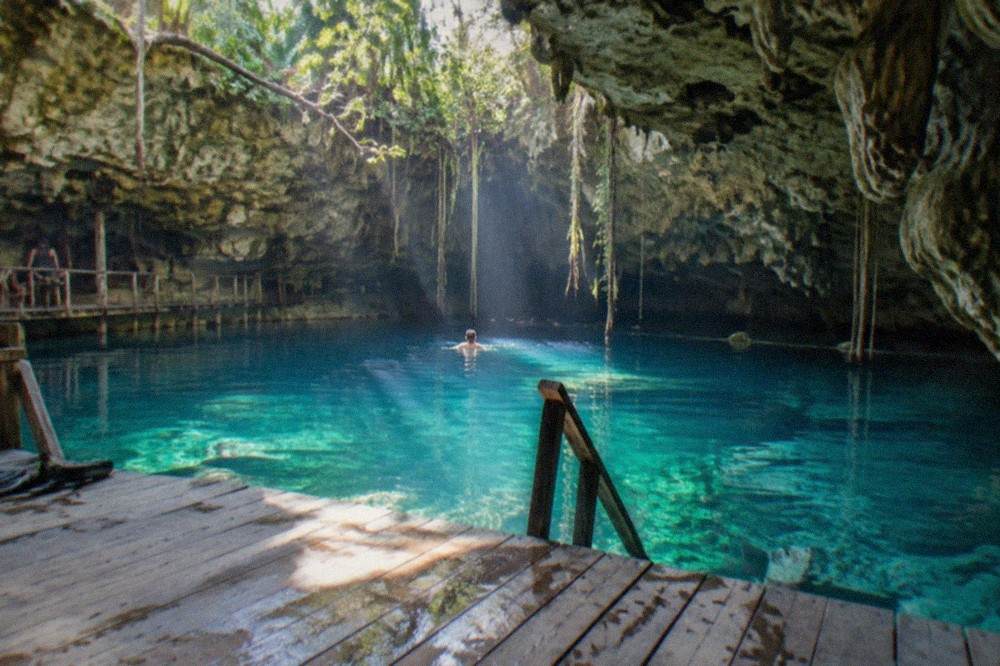
Dos Ojos earns its reputation as Mexico's most beautiful cavern because its two circular openings drop into the crystal-clear Sac Actun system, where visibility often ranges from 30 to over 100 meters and decorated passages like the Barbie line and Bat Cave deliver scenery divers rank among the finest in the country.
It sits 20 to 22 km north of Tulum on Highway 307, about 25 minutes by car, and it is the site that turns snorkelers into divers. The water is so clear that snorkelers hovering at the surface can watch divers disappear down the cavern walls below them, and the ceiling decorations, stalactites and flowstone shaped over hundreds of thousands of years, are the visual signature every cave photographer chases. Maximum depth in the cavern zones is around 10 to 12 meters, and standard Open Water certification is enough for guided cavern dives here, no cave certification needed, because the routes stay inside the natural light zone.
The site opens around 8:00 AM to 5:00 PM, with last entry reported earlier at some times, around 3:00 PM in some accounts. For snorkelers who want to float the cavern rather than dive it, the cenote snorkeling guide covers what a guided visit includes, and the dedicated Dos Ojos guide goes deeper on the dive side. If you want to actually book the experience rather than read about it, the Discovering Breathtaking Cenotes tour names Dos Ojos as a stop and costs from $149 for 4.5 hours, holding 5.0 across a small pool of 7 reviews, so read that rating as what it is: a small operator with a handful of reviews rather than a proven crowd-pleaser.
Casa Cenote: The Mangrove River Candidate?
Casa Cenote is the wildcard in the beauty debate, a mangrove-lined, brackish river cenote about 8 km north of Tulum where the water shifts between fresh and salt layers, fish drift past tangled roots, and the occasional crocodile sighting is part of the site's documented character rather than a rumor. Entrance runs 150 to 200 MXN, roughly $8 to $12, operator-set and changeable, so confirm on arrival.
Its beauty is a different register entirely. Where Gran Cenote is a sunlit pool and Dos Ojos is a dark cathedral, Casa Cenote is a passage: you snorkel along a channel between mangroves, over roots, past juvenile fish, with a halocline visible where the salt and fresh water meet. It suits kayaking as well as snorkeling, and the family-friendly character makes it a frequent pick for visitors whose children find deep cave openings intimidating. The brackish water is what makes the ecosystem unusual, and it is specifically Casa Cenote's mangrove habitat that produces the occasional crocodile sightings, a fact worth keeping precise: most Tulum-corridor cenotes are closed freshwater sinkholes with no crocodile habitat at all. The dedicated article on crocodiles in Mexican cenotes covers this distinction properly.
The Casa Cenote guide on this site goes into the site in full detail, and the best cenotes in Tulum rundown places it in the overall ranking. For travelers who want beauty plus marine life in one swim, it is the candidate that competes with the two heavyweights on completely different terms.
For visitors who want a guided version of this exact style of clear, wildlife-filled water, the Magical Cenote and Paradise Lagoon Snorkeling Adventure pairs a cenote with lagoon snorkeling and beach time in a 3.5-hour format. It is the roster's cheapest standalone snorkel product at from $79, and it holds 4.9 across 886 reviews, a genuinely large pool by this niche's standards, with pickup offered from Cancun and the Riviera Maya.
Calavera, Zacil-Ha And Car Wash: Can The Underdogs Win?
The underdog candidates each hold one specific beauty claim: Calavera for the dramatic circular openings and jumping platforms about 3 km from Tulum Pueblo at roughly 250 to 300 MXN, Zacil-Ha for a family-friendly open basin with a waterslide at around 200 MXN plus 200 MXN for the slide, and Car Wash, or Aktun Ha, for a quiet, natural setting at the corridor's lowest fee, around 100 MXN. All figures are operator-set and changeable, confirm on arrival.
Calavera, nicknamed the Temple of Doom, is the site the adventure photographers claim. Three openings in the ground, one large and two small, give it an unmistakable silhouette, and its depth of roughly 15 meters plus platforms and a rope swing make it the jumping cenote rather than a long-swim one. It sits closest to town, roughly 10 to 12 minutes by bike, which makes it the easiest spontaneous visit on the list. The Cenote Calavera guide treats it in full.
Zacil-Ha is the open, facility-equipped family site: a bright swimming basin with a waterslide and zipline option, roughly 8 km from Tulum, priced around 200 MXN entry with the slide as a separate add-on. Car Wash is the budget naturalist's pick, an open pool with shallow areas around 3 meters and deeper cave sections, popular with divers and swimmers who want quiet. Both are covered together in the Zacil-Ha and Car Wash guide.
None of these three will win a national beauty poll against Gran Cenote or Dos Ojos. But each one is the most beautiful cenote in Mexico for a specific visitor: the jumper, the toddler parent, the traveler with 100 MXN and a free afternoon. The shortlist exists precisely because beauty in this landscape is categorical.
Open-Air Light Shafts Versus Cave Formations: Which Beauty Wins?
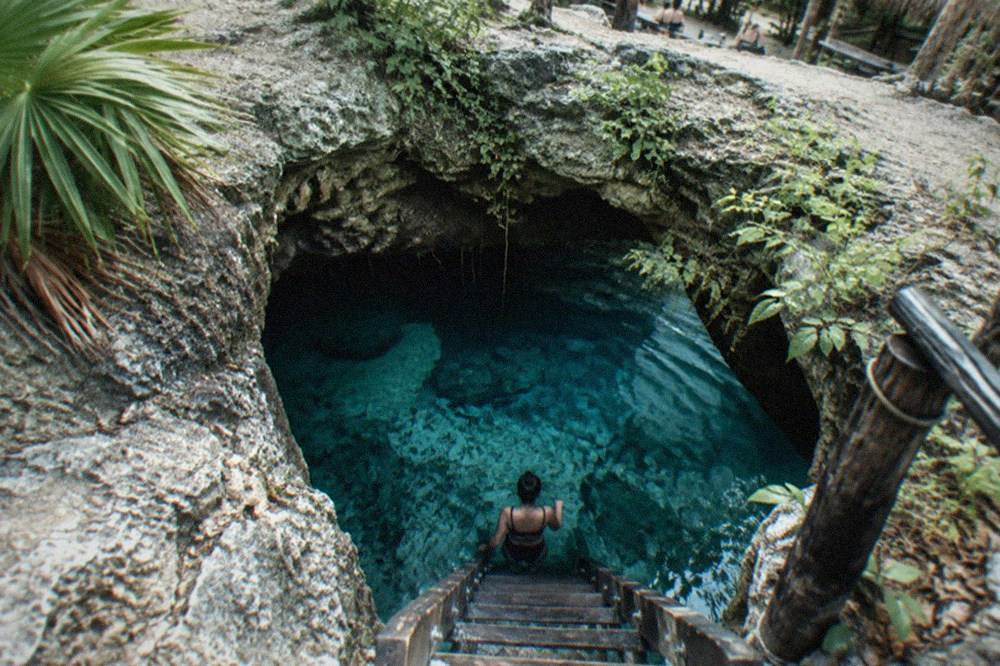
The honest verdict is that open-air beauty wins for snorkelers and families, cave beauty wins for divers and photographers, and the two rarely convert to each other. Gran Cenote delivers the light-shaft look in the most accessible package, Dos Ojos delivers the decorated-cavern look at its ceiling, and Casa Cenote splits the difference with mangrove scenery and visible marine life. The right pick follows your water comfort, not a ranking.
Here is how the leading candidates compare on the factors that actually decide a visit:
| Cenote | Signature beauty | Type | Fee (MXN, adult) | Distance from Tulum Pueblo | Best suited for |
|---|---|---|---|---|---|
| Gran Cenote | Sunlit pools, stalactites, turtles | Semi-open with cave sections | 500 (~$27) | ~4 km, Coba road | Families, snorkelers, beginners |
| Dos Ojos | Cathedral cavern, extreme clarity | Cave/cavern system | 350-400 snorkel (~$20-24) | ~20-22 km on Hwy 307 | Divers, cave photographers |
| Casa Cenote | Mangrove channel, fish, halocline | Open river-style, brackish | 150-200 (~$8-12) | ~8 km north | Kayakers, wildlife watchers |
| Calavera | Dramatic circular openings, jumps | Semi-open/cave | 250-300 (~$13-16) | ~3 km, Coba road | Jumpers, adventure photos |
| Zacil-Ha | Bright open basin, slide | Open | 200 (+200 slide) (~$11) | ~8-8.5 km | Toddlers, families |
| Car Wash (Aktun Ha) | Quiet natural pool, shallow sections | Open plus cave | 100 MXN (~$5) | ~8 km | Budget travelers, relaxed swims |
Fees in the table are current reasonable figures from secondary sources; they are set by each site or ejido and can change without notice, so treat them as planning ranges and confirm on arrival. Water temperature, by contrast, is a fixed fact: cenote water holds at roughly 24 to 27 degrees C year round regardless of season, so there is no "better" month for water warmth. If you are weighing time of year anyway, the best time to visit cenotes guide works through crowds, light, and seasonality in detail.
One point worth stating plainly because it gets asked constantly: sargassum never affects cenotes. The seaweed arrives on ocean beaches, and cenotes are inland freshwater sinkholes with no connection to the currents that carry it. When beach conditions deteriorate, the cenotes are the reliable clear-water plan, which is exactly why the corridor's reputation keeps climbing.
How To Actually Visit The Most Beautiful Cenotes?
Most travelers see two or three candidates in one day, and guided tours handle the transport, gear, and entrance logistics that add up quickly on a self-drive trip. A guided snorkel tour on this corridor typically bundles mask, fins, life vest, and transport from roughly $79 to $149 per person, and the strongest-reviewed options on this site run between 3.5 and 4.5 hours. Going independently is entirely possible too, and many do.
The trade-off is control versus friction. Independent visits mean renting a bike or taxi, carrying cash for every gate, and arriving early enough at Gran Cenote to beat the buses, but you pay one entry per site and swim at your own pace. The article on visiting cenotes without a tour covers the self-guided route honestly. Guided visits swap that planning for a fixed itinerary, and the better ones pair contrasting cenote types so you experience both kinds of beauty in a single morning, which is the smartest framing if the "most beautiful" question is what brought you here.
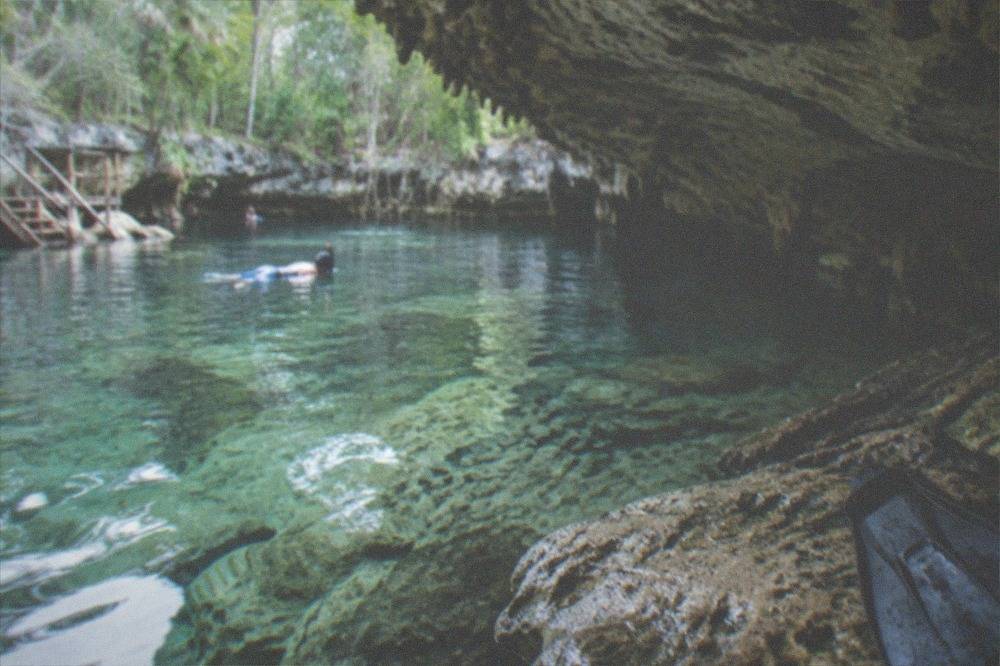
One planning note regardless of route: biodegradable, mineral-filter sunscreen is the rule across Quintana Roo cenotes, a mandatory rinse-off shower applies before entering the water, and fines for non-compliant products are reported up to 1,200 MXN. Some sites go further and ban all sunscreen, even biodegradable versions, so check the posted rules at each gate. The what to bring guide has the full packing list.
If the paired format appeals, the Magical Cenote and Paradise Lagoon Snorkeling Adventure is the budget-friendly way into it: from $79, 4.9 across 886 reviews, and 3.5 hours that move from a cenote to a lagoon in one booking, with pickup available from Cancun and the Riviera Maya. It is worth checking availability on the listing before you commit to a day, since this is the cheapest standalone snorkel product on the whole Tulum Cenote Tours roster and it fills in peak weeks.
Common Questions About The Most Beautiful Cenote
What Is The Most Beautiful Cenote In Tulum?
Within Tulum's own corridor, Gran Cenote is the most common answer for sunlit, swimmable beauty and Dos Ojos for cavern beauty, with Casa Cenote as the mangrove alternative. The honest pick depends on whether open light shafts or decorated cave passages move you more, since both sit within 25 minutes of Tulum Pueblo.
What Is The Most Beautiful Cenote In Mexico?
No single cenote holds the national title by consensus, but the Tulum corridor produces the strongest claim, and Gran Cenote and Dos Ojos are the two names that dominate the conversation. Gran Cenote wins the open-air category for its light, turtles, and accessible pools; Dos Ojos wins the cave category for its clarity and decorated cavern passages.
Is It Safe To Swim In Cenotes?
Yes, swimming in the region's managed cenotes is generally safe when posted rules are followed: rinse off before entering, wear the life vest where required, and swim only in designated areas. Cavern zones are off-limits to unguided divers. The article on cenote swimming safety covers the specifics.
Can You Visit Cenotes Without A Tour?
Yes. Every cenote on the corridor sells entrance directly at the gate, fees run roughly 100 to 500 MXN per adult, and most visitors pay cash. Tours add transport, gear, and guidance rather than access, so the choice is a logistics decision rather than a permission one.
Which Cenote Is Best For Toddlers?
Zacil-Ha is the strongest toddler pick on the corridor: a bright open basin, shallow swimming, facilities on site, and an optional waterslide at a separate 200 MXN fee. Gran Cenote is the runner-up for families who want turtles and easy snorkeling.
Do Cenotes Get Cold In Winter?
No. Cenote water holds at roughly 24 to 27 degrees C year round, fed by the underground aquifer and unaffected by surface weather or season. Whatever month you visit, the water temperature is effectively the same.