Are The Cenotes In Tulum Worth It?
An honest verdict on the cenote corridor around Tulum: why the water stays clear when beaches turn green, what a day really costs, and which tour format fits your trip.
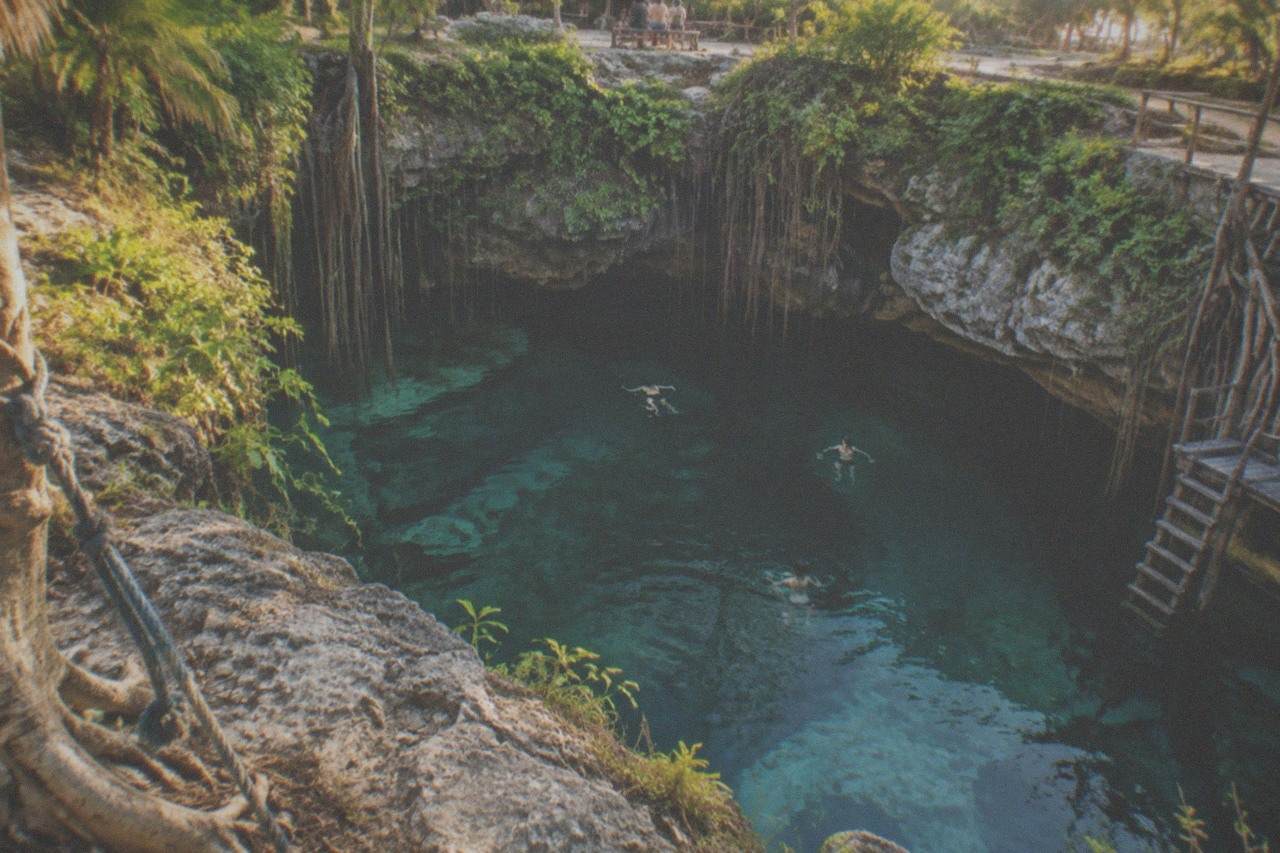
Are The Cenotes In Tulum Worth It?
Yes, for most travelers the cenotes are the most reliable thing to do around Tulum. They are inland freshwater sinkholes with no connection to the ocean, so sargassum never touches them, the water holds 24 to 27 degrees Celsius year round, and the most popular formats require no certification. The honest caveats are cash-first entrance fees and midday crowds.
More than 6,500 tons of sargassum have been hauled off Tulum's beaches this year, already more than the previous year's total, and not one strand of it reached the water inland. Cenotes are collapse openings punched through limestone into the freshwater aquifer. There is no channel, pipe or current connecting them to the Caribbean, which is the structural fact underneath almost every version of the worth-it question: when the beach goes green and the tour boats cancel, the sinkholes an hour up the road are exactly as clear as they were last month.
That reliability is why the format spread here is so wide. The Cenote Triple Adventure Tour in Tulum, a 4-hour snorkel product at 5.0 from 467 reviews and from $129.88, moves through three cenotes in a single morning with snacks and water included. Travelers who want archaeology with their swim take the Tulum ruins, magical cenote and Yalku lagoon tour, 4.9 from 1,975 reviews and from $119, the most-reviewed product on the whole roster this site covers. Certified divers have a third door entirely, which this article gets to further down.
This site, Tulum Cenote Tours, exists to answer the question with verified numbers rather than postcard language. The short version of the verdict: for swimmers, families and anyone visiting between May and October when the seaweed season is running, the cenotes are not just worth it, they are the dependable half of the trip. For travelers who only tolerate warm, open water with a sandy bottom, the honest answer is more qualified, and that qualification has a name, Casa Cenote's halocline and the overhead rock of the cavern sites.
Here are the three products that best span the range, from the family snorkel pick to the most-reviewed combination to the certified-only dive:
Why Sargassum Never Ruins A Cenote Day
Sargassum is an ocean phenomenon, carried by sea currents to the beach. Cenotes are inland freshwater sinkholes with no connection to those currents, so seaweed physically cannot reach them. When Tulum's beaches sit under a moderate 46 percent sargassum index, the cenote water stays exactly as clear as always, which makes them the dependable water plan.
The 2026 seaweed season started unusually early, with first arrivals reported in late January, and the University of South Florida's monitoring has projected the year as potentially record or near-record. The season typically runs May through October and peaks in June and July, with forecasts pointing to a low around November. Tulum's beaches have been running a moderate 46 percent sargassum index with active daily cleanups, tracked in detail by the Tulum sargassum update tracker, and the seasonal trajectory is laid out in the published sargassum forecast.
What this means in planning terms is simple. If the trip falls between May and June, when both the seaweed and the crowds are near their peaks, the cenotes should be the main plan rather than the backup, and the beach a pleasant surprise if the wind cooperates. The reverse holds for November through March, when the beaches are usually at their cleanest, but the cenotes lose nothing by the comparison: visibility in the freshwater system stays excellent in any month, and the cavern sites are shielded from even the surface-runoff dips that open sinkholes occasionally take after a hard afternoon of rain.
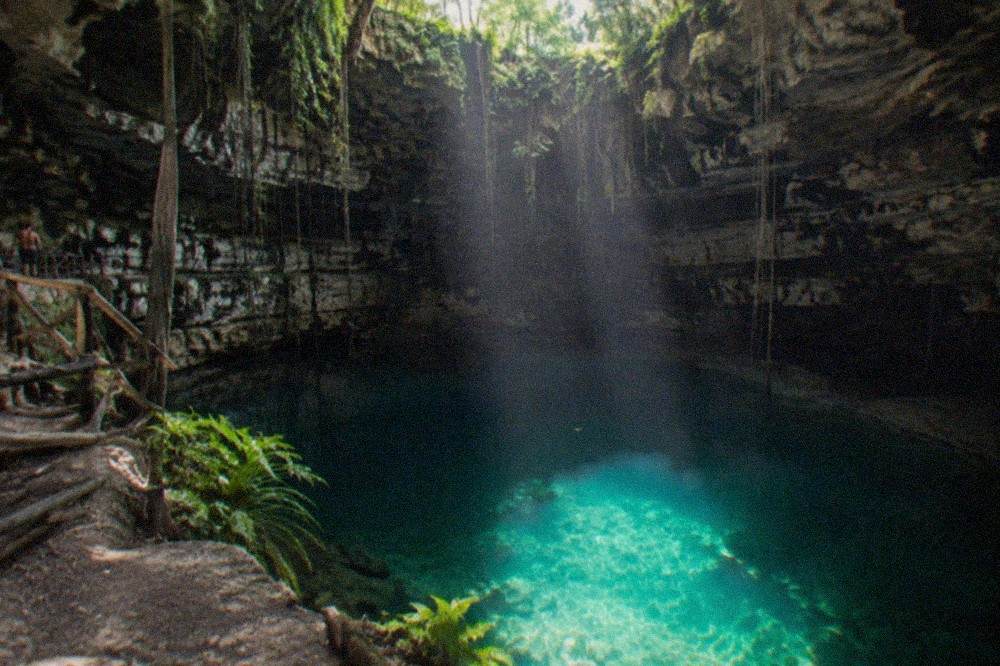
What A Cenote Day Actually Costs
Walk-in entrances run roughly 100 to 500 MXN per adult, about 5 to 27 dollars, cash-first at most sites. Fees are set by each ejido or operator and can change, so treat every figure as a planning range and confirm on arrival. Guided tours bundle entrances, gear and transport: standalone snorkel products start at 79 dollars, ruins combos at 27 with fees extra.
The individual entrance figures below come from a current Tulum cenotes guide and are reasonable current figures rather than locked official tariffs; the sites are mostly community or ejido run, prices can shift between reads, and the number posted at the gate is the one that counts.
| Cenote | Entrance (MXN) | Approx USD | Suits |
|---|---|---|---|
| Gran Cenote | 500 | ~$27 | Snorkeling, families, turtles |
| Dos Ojos | 350-400 (snorkel) | ~$19-22 | Diving and snorkeling, visibility |
| Calavera | 250-300 | ~$13-16 | Jumping, adventure photos |
| Casa Cenote | 150-200 | ~$8-11 | Kayaking, mangrove snorkeling |
| Zacil-Ha | 200, plus 200 for the waterslide | ~$11 | Families, facilities |
| Car Wash / Aktun Ha | ~100 | ~$5 | Budget swimming, relaxed visits |
Payment matters more here than most first-time visitors expect. Most cenotes take cash in Mexican pesos, and card readers are reliable mainly at the big sites like Gran Cenote and Dos Ojos. Two rules affect the wallet too: every site enforces a biodegradable, mineral-filter sunscreen policy with a mandatory rinse-off before entering, and conventional chemical sunscreen can draw a fine of up to 1,200 MXN at enforcing sites, while some open cenotes go further and ban all sunscreen, even the approved kind. None of this is collected by the tours, which is part of their value.
Bundling is where the arithmetic tips. The Cenote Triple Adventure Tour at from $129.88 covers three cenote entrances, snorkel gear, snacks and water in one price, with lunch a paid 15 dollar add-on, and its Cenote Triple Adventure tour page on this site lays out the meeting point at 85xciento La Vera Pizza al Taglio in Tulum Centro, Check availability for the dates you actually hold.
The DIY alternative is cheaper per site but adds up in friction: taxi or bike distances run from about 4 kilometers to Gran Cenote to over 20 to Dos Ojos, plus gear, plus the fee schedule above, plus the sunscreen rules enforced on you alone. A trip-level note that belongs here and not on any tour page: Quintana Roo charges a separate visitor tax of roughly 283 MXN per foreign visitor, paid online or at airport kiosks, entirely unrelated to cenote or ruins entrances.
Snorkel, Ruins Combo, Or Scuba: Which Format Fits
Match the format to your swim comfort rather than a bucket list. Snorkel tours, 79 to 199 dollars, need no certification and suit most families. Ruins plus cenote combos, 27 to 89 dollars, trade water time for archaeology. Diving splits in two: a beginner discover-scuba format at 179 dollars with no certification, and certified-only cavern dives from 190.
The roster this site covers breaks into four families, and the honest routing advice is that the format decision matters more than which specific product within it.
| Format | Price range | Certification | Best for |
|---|---|---|---|
| Cenote snorkel tours | From $79 to $199 | None | Families, swimmers, first-timers |
| Ruins plus cenote combos | From $27 to $89 | None | First visits, one-day itineraries |
| Cenote diving | From $179 to $230 | Discover format none; cavern dives Open Water | Beginners and certified divers |
| ATV and zipline adventure | From $83.80 to $151 | None | Adrenaline-first travelers |
In the snorkel family, the spread is real. The Magical Cenote and Paradise Lagoon Snorkeling Adventure is the cheapest standalone snorkel product at from $79, 4.9 from 886 reviews, with Cancun and Riviera Maya pickup available. The Discovering Breathtaking Cenotes tour at from $149 is the one snorkel product whose listing names its stops, Dos Ojos and Casa Cenote, though it is a small operator with a 5.0 from just 7 reviews, so read it as a boutique option rather than a proven one. For a fuller grounding in the sites themselves, the guide to the cenotes near Tulum covers the individual sinkholes, their distances and what each one suits, and it is the right next read before choosing.
For most first-time visitors, though, the Cenote Triple Adventure Tour remains the reference point: three cenotes in four hours, 5.0 from 467 reviews, snacks and water in the price, and a central Tulum meeting point that removes the transport question entirely. It is the product that most cleanly answers the worth-it question in a single morning, which is why this article keeps returning to it.
Is The Water Cold, And Other Honest Objections
No. Cenote water holds 24 to 27 degrees Celsius year round because it comes from the underground aquifer, unaffected by season or surface weather. The real objections are overhead rock in cavern sites, midday crowds, and crocodile talk that belongs almost entirely to one brackish mangrove cenote, not to closed freshwater sinkholes.
The temperature question gets asked constantly, and the answer is stable: the aquifer does not care whether it is January or August. Visibility is similarly steady, with reports from Dos Ojos frequently citing 30 to 100 meters and cavern sites largely unaffected by rain; only open-air sinkholes take short dips after heavy surface runoff. The crocodile question deserves precision rather than folklore. Occasional crocodile sightings are a specific feature of Casa Cenote, whose water is brackish mangrove habitat connected underground toward the coast. The closed freshwater sinkholes that make up most of the Tulum corridor have no crocodile habitat at all, and a blanket "cenotes have crocodiles" claim would simply be false.
Diving safety is the objection with the most substance, and the answer is regulatory rather than reassuring vagueness. Guided cavern diving stays in the natural light zone and requires a minimum Open Water certification, with anything beyond that, the full cave zones, reserved for divers holding Intro to Cave or Full Cave credentials. Updated requirements for active cenote dive guides mandate Divemaster level or higher, Full Cave certification, valid Mexican work authorization, local residency experience, and current first aid, CPR and oxygen provider training. For the full picture on whether the certification ladder is worth climbing, the verdict in whether cenote diving is worth it works through the costs and the trade.
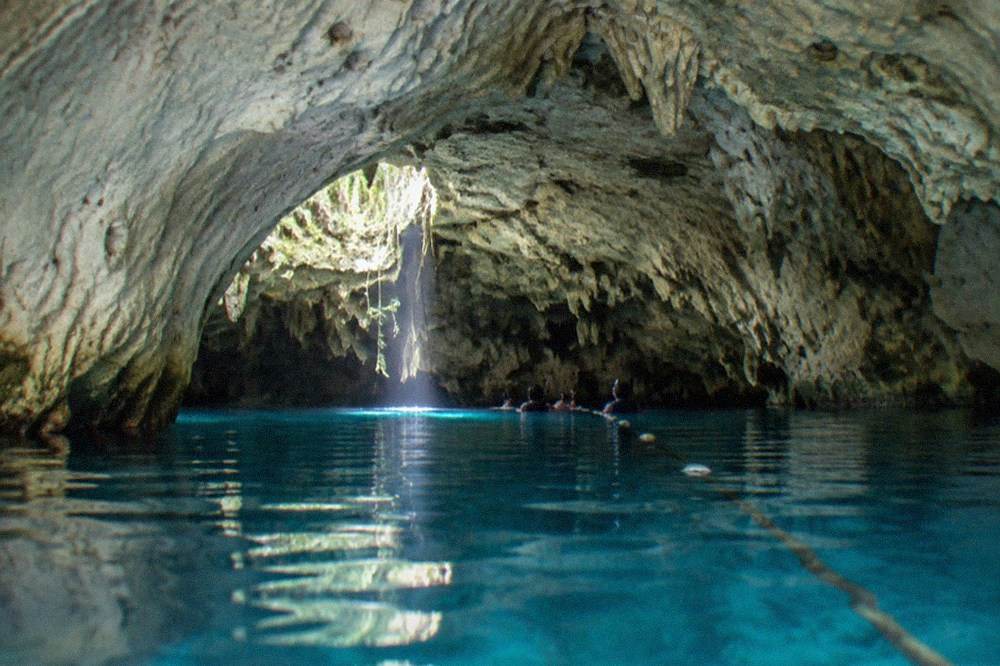
For certified divers already holding an Open Water card, the reference product is the two-dive Dos Ojos tour for certified divers: 5.0 from 90 reviews, from $190, 4 hours, supplied by La Calypso Dive Center with a maximum of 4 travelers per guide and no lunch included. Beginners have a genuinely different door: the discover scuba diving in cenotes format at from $179, 5.0 from 12 reviews, requires no certification at all and runs out of Agua Clara Diving Tulum in front of Hotel Zamas. The advanced end, the Pit plus Dos Ojos deep combination at from $230, is restricted to Level 2 and above divers, and the listing says so plainly.
When To Go For Clear Water And Thin Crowds
Every month works, which is the entire argument for the cenotes. For timing inside a day, arrive at opening, 8 to 9 AM at most sites, for the quietest water; tour buses thicken things between 10 AM and 2 PM. Across the calendar, May, late September and early October bring the thinnest crowds, while December through March is busiest.
The daily rhythm is the part travelers can control on the spot. Gates open between 8 and 9 AM at most sites, the midday window from 10 or 11 AM to 2 PM is when the tour buses land and wait times can stretch past 20 minutes with batch entry, and conditions thin again after about 2:30 PM at several sites. The closing time is fixed and early: most cenotes shut at 5 PM, with last entry well before that, around 4:15 PM at Gran Cenote and sometimes as early as 3 PM at Dos Ojos, a detail worth internalizing before planning a 3 PM arrival.
| Timing | What to expect |
|---|---|
| 8-9 AM arrival | Quietest water, easiest parking, best light beams |
| 10 AM-2 PM | Tour bus peak, possible waits and batch entry |
| After 2:30 PM | Crowds thin at many sites, shorter clock |
| December-March | Busiest months, holidays and spring break included |
| May, late September, early October | Lower-crowd sweet spots, manageable rain |
Across the year, the trade-offs are gentle ones. The dry season from November to April gives the best conditions for photography and the famous light shafts in the open sinkholes, at the price of the year's biggest crowds. The wet months bring afternoon showers that barely touch the cavern sites and leave the beaches unreliable, which pushes demand toward the cenotes exactly when the crowds elsewhere are thin. Hurricane season runs June 1 to November 30 with the highest statistical risk in September and October, and severe weather can close sites same-day, but the aquifer itself resets to the same 24 to 27 degrees the moment the storm passes. Gran Cenote in particular draws the heaviest midday traffic of any site in the corridor, and the honest assessment in is Gran Cenote worth visiting weighs that crowding against its turtles and swim-throughs.
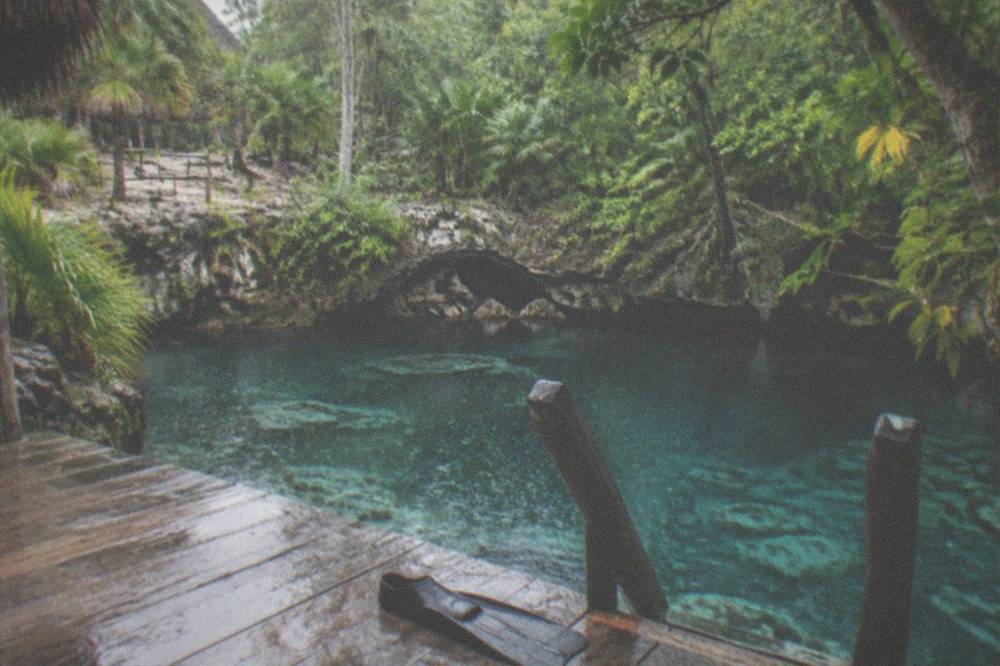
The verdict, assembled from all of it: the cenotes earn their keep in every season, for every swimmer who accepts overhead rock and cash-first gates, and they are the only half of a Tulum trip that sargassum cannot touch. These three products are the cleanest ways in across formats:
Common Questions About Tulum Cenotes
Are The Cenotes In Tulum Worth It?
Yes, for most travelers. The water is sargassum-proof, holds 24 to 27 degrees Celsius year round, and the most popular formats, snorkel tours and ruins combos, require no certification. The honest caveats are cash-first entrance fees of roughly 100 to 500 MXN, early closing times, and midday crowds at the most famous sites.
Why Do Cenotes Close At 5?
Sites close at 5 PM to protect the closed freshwater ecosystem and because operations are small, cash-based and staffed for daylight. Last entry comes earlier than the gate, around 4:15 PM at Gran Cenote and sometimes 3 PM at Dos Ojos, so a late arrival can mean no swim at all.
Can You Visit Cenotes Without A Tour?
Yes. Most cenotes sell walk-in entrance at the gate, roughly 100 to 500 MXN depending on the site. The trade-offs are transport, since sites sit 3 to 22 kilometers from Tulum town, plus gear rental, plus handling rules like the mandatory rinse and biodegradable-only sunscreen on your own. Tours bundle entrances, gear and transport into one price.
How Much Does It Cost To Visit A Cenote In Tulum?
Entrances run roughly 100 to 500 MXN per adult, about 5 to 27 dollars, cash-first at most sites, with lockers around 50 MXN at the larger ones and possible camera fees of 100 to 300 MXN. Fees are set by each site or operator and can change, so confirm on arrival. Guided tours start at 27 dollars for combos and 79 dollars for standalone snorkel products.
Is It Safe To Swim In Cenotes?
Yes, for anyone who follows the posted rules. Rinse off before entering, use biodegradable sunscreen only or none where banned, wear a life jacket if you are under 12 or not a confident swimmer, and jump only at designated spots like Calavera. Crocodile sightings belong specifically to Casa Cenote's brackish mangrove water; the closed freshwater sinkholes most visitors swim in have no crocodile habitat.