Is Gran Cenote Worth Visiting?
A grounded verdict on Gran Cenote: the real 500 MXN fee, the turtles, the crowds, and which Tulum cenote tours to book instead of hoping a listing includes it.
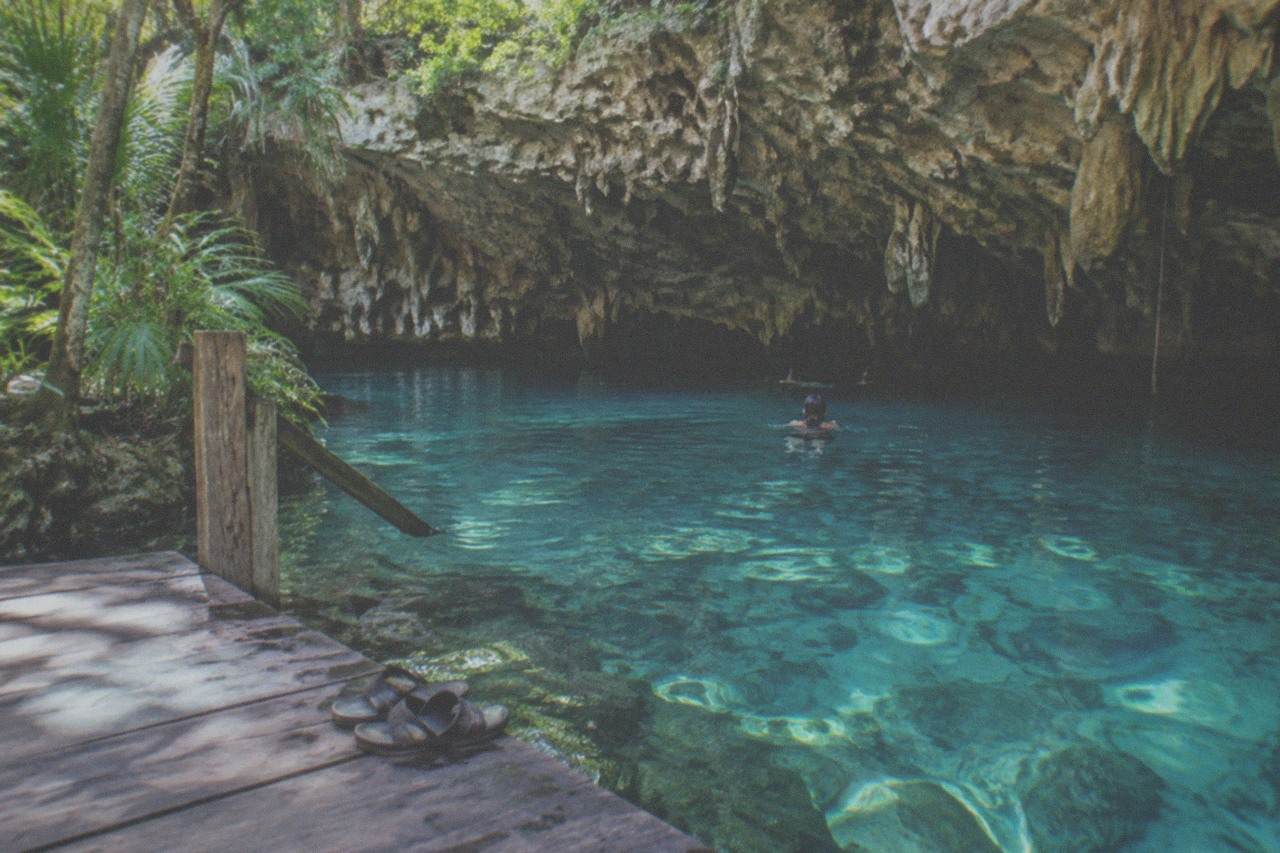
Gran Cenote sits about 4 km west of Tulum Pueblo on the Coba road, and its 500 MXN adult entrance fee is the highest single-cenote price in the verified fee set for this corridor. That combination, a steep gate price on a site that is genuinely easy to reach, is exactly why the question gets asked so often. The short answer is yes, and the reasoning matters more than the verdict. Turtles, clear shallow water and a semi-open layout that suits beginners carry the day, while midday crowds and cash-only payment are the real costs to plan around.
Is Gran Cenote Worth Visiting?
Yes. Gran Cenote is worth visiting for its reliably clear water, resident turtles, beginner-friendly semi-open layout and short 4 km hop from Tulum Pueblo on the Coba road, provided you arrive at the 8:00 AM opening and budget the 500 MXN cash fee. The honest caveat is that no bookable tour on this site's roster names Gran Cenote as a stop.
That caveat deserves the first word because it shapes everything else. Of the 18 verified tours on this roster, none lists Gran Cenote by name in its itinerary. Only one snorkel product, Discovering Breathtaking Cenotes in Tulum, names its stops at all, and its stops are Dos Ojos and Casa Cenote. So a visitor who wants Gran Cenote specifically goes independently, or accepts that a booked cenote tour will visit a comparable sinkhole in the same corridor without promising this exact one.
Going independently is genuinely easy here, which is part of the verdict. The site is a 7 to 10 minute drive or bike ride from town, open daily from roughly 8:00 AM to 4:45 PM with last entry around 4:15 PM. Arrive at opening and the water is calm, the light angles through the cave mouth, and the turtles that live here are feeding near the swim platforms. The site is part of the Sac Actun system, one of the longest mapped underwater cave networks in the world, which explains the water clarity: it is filtered through limestone rather than sitting exposed to runoff.
The fee, 500 MXN (roughly $27 to $30), buys access to the main semi-open basin, the cave-section swim-throughs, changing rooms and rinse showers. Lockers run about 50 MXN extra. Fees are set by the site operator and can change, so confirm the figure on arrival.
What Does The 500 MXN Fee Actually Get You?
The 500 MXN adult fee covers entry to the open basin and cave sections, use of rinse showers and changing rooms, and free life jackets for children under 12. It does not cover lockers, roughly 50 MXN, or any guided snorkeling, food or transport. Comparable corridor cenotes charge 100 to 350 MXN, making this the top of the local price band.
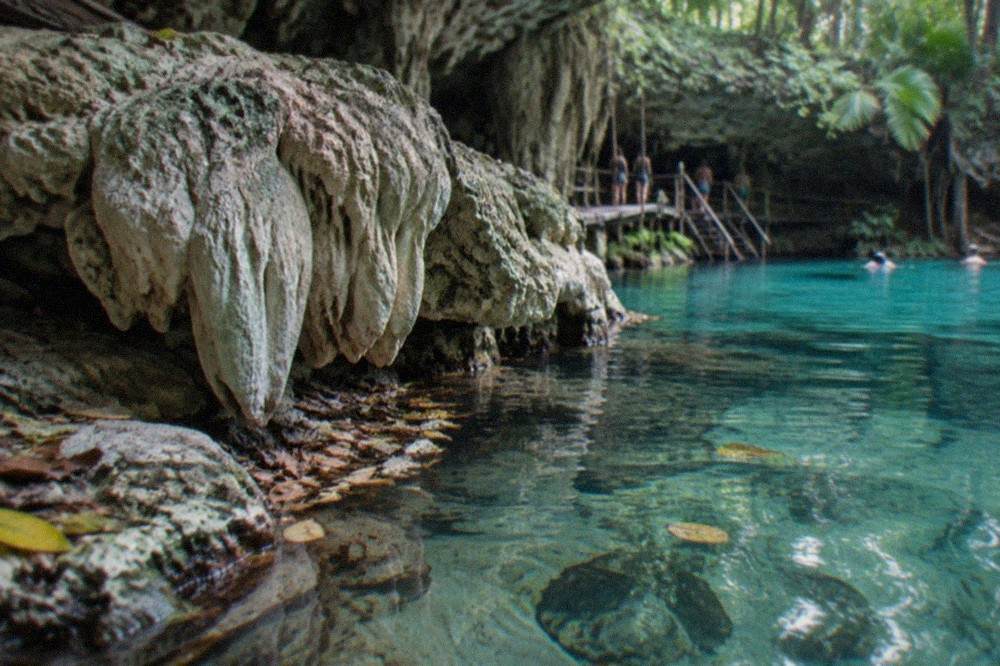
Whether that price is fair depends on what you compare it against. Car Wash, also called Aktun Ha, charges about 100 MXN and offers a quieter, more natural setting with shallower swimming. Calavera runs about 250 MXN and skews toward jumpers and adventure photographers. Casa Cenote, roughly 200 MXN, is a brackish mangrove river rather than a sinkhole. Gran Cenote's premium buys polish: wooden platforms, clear signage, enforced rinse stations and the most accessible cave sections for a first-time visitor.
| Cenote | Entrance fee | Approx. USD | Best suited for |
|---|---|---|---|
| Gran Cenote | 500 MXN | ~$27 | Snorkeling, turtles, families, beginners |
| Dos Ojos | 350-400 MXN (snorkel) | ~$19-24 | Diving, cavern visibility |
| Calavera | 250-300 MXN | ~$13-16 | Jumping, adventure photos |
| Casa Cenote | 150-200 MXN | ~$8-11 | Kayaking, mangrove snorkeling |
| Zacil-Ha | 200 MXN (+200 MXN slide) | ~$11 | Families, waterslide |
| Car Wash / Aktun Ha | ~100 MXN | ~$5 | Budget swimming, relaxed visits |
All of these figures are secondary-sourced reasonable current values rather than official park rates, and ejido operators adjust them seasonally. Cash in Mexican pesos is the reliable payment method here, as at most corridor cenotes. Card readers exist at Gran Cenote and Dos Ojos but are not dependable elsewhere. The fees above reflect typical gate prices; confirm the current rate when you arrive, since posted prices at the gate can change.
One more angle on value: what the fee buys in experience terms, not just facilities. The open basin at Gran Cenote is shallow enough that a hesitant swimmer can stand or cling to the platform edge while still seeing fish and turtles glide past in water clear enough to read the cave floor. The cave sections are swim-throughs rather than true caverns, meaning daylight stays visible from the water, so a first-time visitor gets the stalactites and the overhead rock without committing to darkness. That combination is unusual at this price point on the corridor, and it is the reason families rate the site so consistently well despite the gate price.
How Easy Is It To Get To Gran Cenote From Tulum?
Gran Cenote is roughly 4 km west of Tulum Pueblo on Highway 109, the Coba road, about a 7 to 10 minute drive, a short taxi ride or a manageable bike trip. That proximity is its single biggest advantage over corridor rivals like Dos Ojos, which sits 20 to 22 km north and takes about 25 minutes by car.
For visitors staying in Tulum town, this is the one major cenote you can reach before the tour buses do without waking at dawn. Bikes work well: the road is flat and paved most of the way, and several rental shops in town supply bikes and helmets, which mirrors what the Tulum Cenote Trail Bike Tour does for its own two to three unnamed cenote stops. A taxi costs a modest fare and can be arranged back from the gate, though drivers thin out after 4 PM near closing time. Visitors based further afield in Playa del Carmen or Cancun should budget the longer drive and consider whether a corridor tour with pickup, such as the Tulum ruins, cenote and Yalku lagoon tour with its Cancun and Riviera Maya hotel pickup, makes more sense than self-driving.
The Tulum Cenote Trail Bike Tour, from $119 with a 4.9 rating across 143 reviews, meets at Av. Tulum 88 in town and rides to two or three unnamed cenotes with urban bikes and helmets included. It does not name Gran Cenote on its listing, so treat it as a same-corridor alternative rather than a Gran Cenote product. Its value here is the format: a bike-based loop that covers ground similar to what you would cycle yourself.
Is Gran Cenote Good For Snorkeling And Families?
Yes. Gran Cenote is one of the strongest snorkeling and family sites on the corridor thanks to shallow open pools, resident turtles, mandatory or free life jackets for children under 12, and cave swim-throughs that stay within natural light. The calm, shallow layout suits non-swimmers and first-time snorkelers better than jump-focused sites like Calavera.
The turtles are the headline. Resident freshwater turtles gather near the platforms and are a common sighting rather than a lucky one, which recent guides to the site consistently report. Water clarity is high because the cenote is part of the Sac Actun aquifer system, and the semi-open layout means you get stalactites and cave overhangs without entering a fully dark cavern. Life jackets are often mandatory in the cave sections and are free for children under 12, which the site's operators provide as standard. More of these guides are collected on Tulum Cenote Tours.
Water temperature stays constant at roughly 24 to 27 degrees C year round regardless of season, so there is no bad month for the swim itself. Depth in the open areas is modest, with deeper cave sections roped or guided. For families weighing options, the sibling guide on the best cenotes for young children covers toddler-specific sites in more detail, since the under-5 set has slightly different needs.
When Should You Visit To Avoid The Crowds?
Arrive at the 8:00 AM opening. Crowds and waits peak between roughly 10 AM and 2 PM as tour buses arrive, then thin after 2:30 PM. Weekdays beat weekends, and May, late September and early October are the lowest-crowd months on the corridor, while December to March is the busiest window.
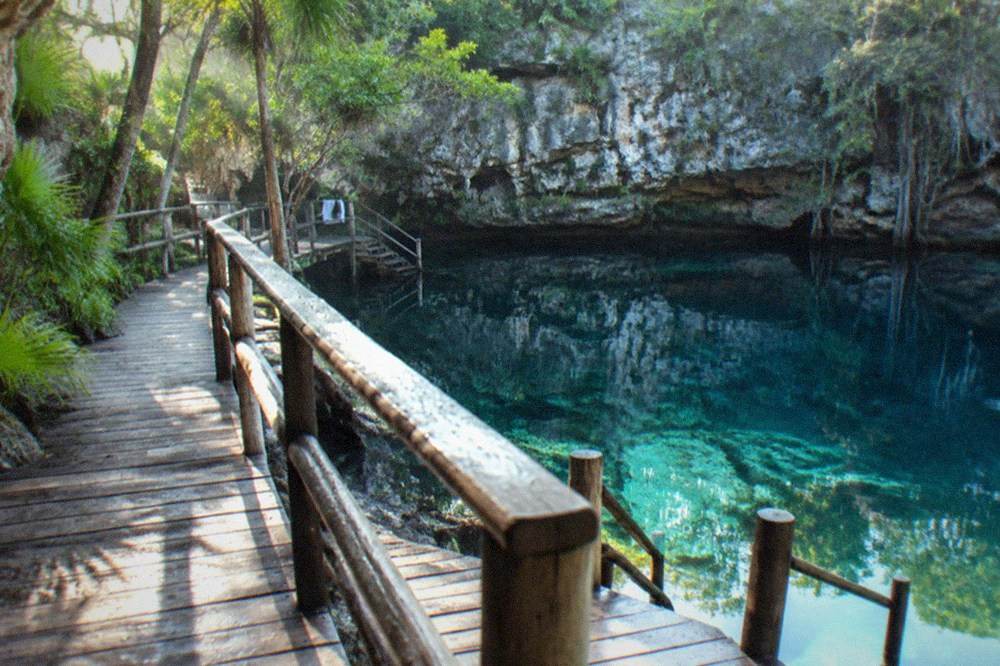
Gran Cenote's popularity is the one thing that can genuinely spoil it. At midday, batch entry and waits of 20 minutes or more are reported at the gate, and the small platform areas get congested. The morning window reverses all of it: the 8 AM entry is quiet, the water is glassy, and photographers get the light shafts angling into the cave mouth. The photography case for dry season, November to April, is strong too, with lower humidity and softer light for the open basin.
Rain matters less than you might expect. Afternoon showers in the June to October wet season can dip visibility in open-air cenotes temporarily, to roughly 20 to 28 m, but closed and cavern cenotes are largely unaffected. Gran Cenote's cave sections sit in that protected category. The practical plan is morning visit, dry-season if you can, weekday if you cannot.
Can You Book A Tour That Includes Gran Cenote?
Not by name on any product this site carries. No tour on the roster lists Gran Cenote in its itinerary, so the honest options are visiting independently, or booking a corridor snorkel tour that visits comparable sites without naming this one. The one exception to the no-names rule is Discovering Breathtaking Cenotes, which names Dos Ojos and Casa Cenote only.
This is the point where honesty beats sales copy. A visitor who has seen photos of Gran Cenote and books a generic cenote tour hoping for it may well end up somewhere equally beautiful, but it will not be this sinkhole unless the listing says so (see Most Beautiful Cenote). Check the specific listing before booking, every time. The corridor's general snorkel-format tours, six of them on this roster at $79 to $199, all deliver the same category of experience: clear water, gear, guidance and swim time at sinkholes in the Sac Actun corridor.
The strongest of those for a visitor who also wants the ruins is the Tulum ruins, cenote and Yalku lagoon tour, from $119 with a 4.9 rating across 1,975 reviews, the most-reviewed product on the entire roster. It runs 6.5 hours, includes beachside lunch, and adds a lagoon snorkel on top of the cenote stop. Note the Tulum ruins entrance, about 265 MXN for foreign visitors under the unified fee, is extra, which is covered in detail in the Tulum ruins and cenote combo guide. For a pure multi-cenote day, the Cenote Triple Adventure tour visits three sinkholes in 4 hours from $129.88 with a 5.0 rating from 467 reviews, snacks and water included and lunch a paid $15 add-on.
What Rules Should You Know Before You Swim?
Gran Cenote enforces the corridor-wide rules: biodegradable or reef-safe mineral sunscreen only, a mandatory rinse-off shower before entering the water, cash in pesos, and no chemical products. Conventional sunscreen can draw a fine up to 1,200 MXN or refusal of entry. Some sites go further and ban all sunscreen, even biodegradable.
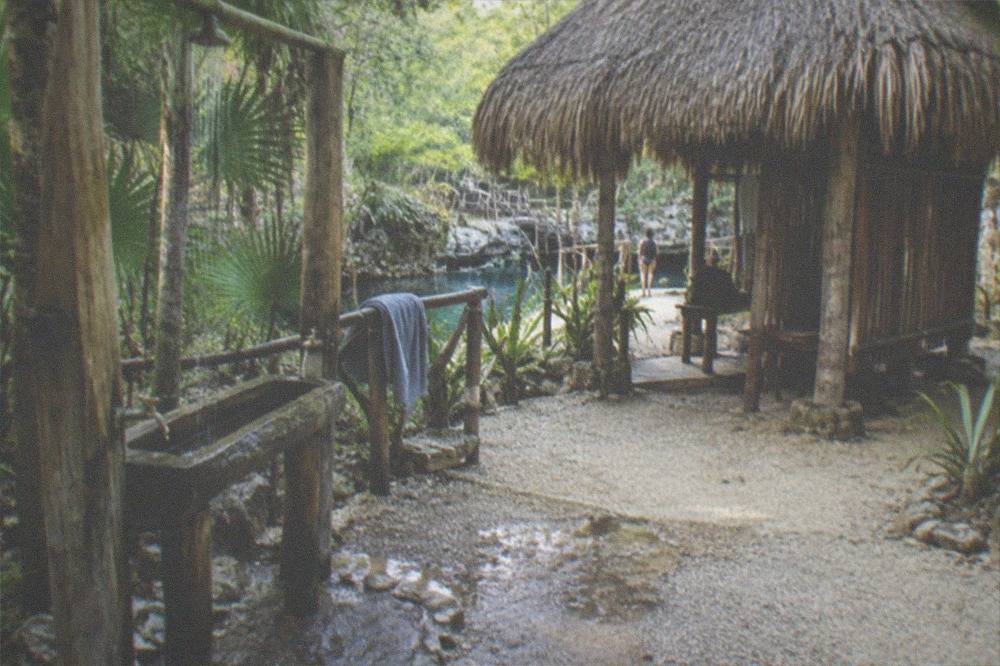
The rinse rule is enforced with bag checks at some sites, and approved biodegradable tubes sell at entrances for roughly 150 to 350 MXN if you arrive without one. The cheaper move is a rash guard and no sunscreen at all: you rinse, swim, and apply product only after you are done with the water for the day. Water shoes with a heel strap help on the rocky limestone edges, though bare feet are often required in the water itself.
Professional cameras and GoPros can incur an extra on-site fee at some cenotes, roughly 100 to 300 MXN cash, and drones are prohibited at cenotes and at the archaeological zone under standard INAH rules. Confirm the camera policy at the gate rather than assuming. Visitors flying into Quintana Roo should also know the state's airport visitor tax, about 283 MXN, exists as a separate, pre-paid online item and has nothing to do with cenote gates.
Quick Planning Notes
- Budget 500 MXN cash per adult, plus about 50 MXN if you want a locker.
- Arrive for the 8:00 AM opening; last entry is around 4:15 PM.
- Bring a rash guard instead of sunscreen and use the rinse station.
- Do not expect any booked tour on this roster to name Gran Cenote; check listings individually.
Common Questions About Gran Cenote
Is Gran Cenote Worth Visiting?
Yes, for most visitors. The 500 MXN fee is the highest single-cenote price on the corridor, but it buys reliably clear water, resident turtles, beginner-friendly shallow sections, cave swim-throughs within natural light and a location just 4 km from Tulum Pueblo. It is weak only for visitors wanting solitude, since midday crowds are heavy, or a jump-focused adventure, since Calavera serves that better.
Can You Swim At Gran Cenote Without A Tour?
Yes. Gran Cenote is a fully independent-visit site with its own entrance, parking and facilities. You pay at the gate, rinse at the shower station and swim on your own schedule. Equipment rental options vary, so confirm on arrival what the site rents versus what you should bring.
Are There Turtles At Gran Cenote?
Resident freshwater turtles are a common sighting near the swim platforms, reported consistently in recent guides to the site. They are a major reason the cenote ranks so highly for snorkeling and families.
How Much Does It Cost To Visit Gran Cenote?
The adult entrance fee is 500 MXN, roughly $27 to $30, the highest in the verified corridor fee set. Lockers add about 50 MXN. Fees are set by the site operator and can change, so confirm on arrival, and bring Mexican pesos in cash since card readers are not dependable.
Is Gran Cenote Affected By Sargassum?
No. Sargassum is a coastal phenomenon that affects ocean beaches only. Cenotes are inland freshwater sinkholes with no connection to the ocean currents carrying the seaweed, so Gran Cenote's water is unaffected regardless of the beach situation on any given day.
Is The Water Cold At Gran Cenote In Winter?
No. Cenote water holds a constant 24 to 27 degrees C year round because it comes from the underground aquifer, independent of surface weather or season. There is no meaningful cold or warm season for the swim itself.